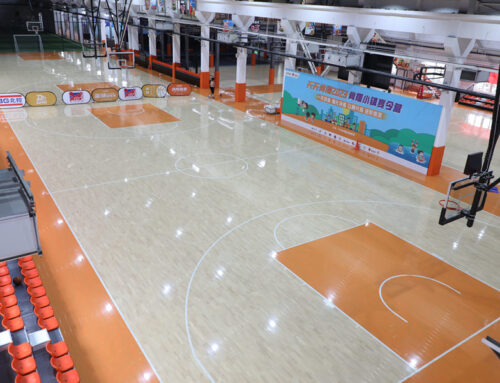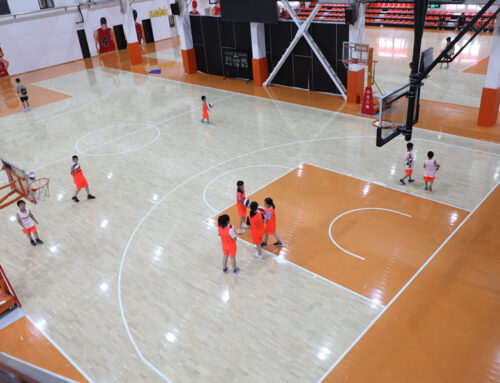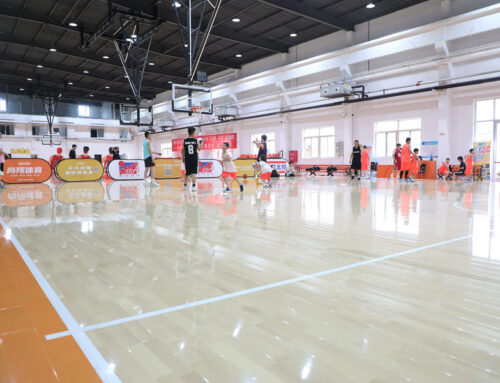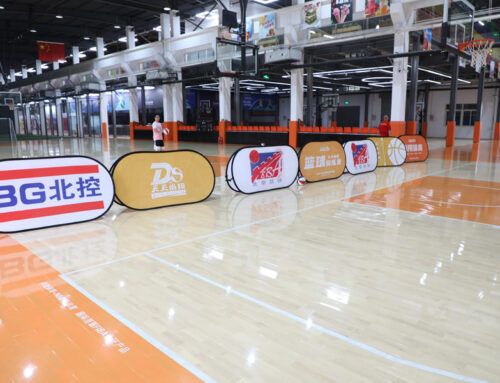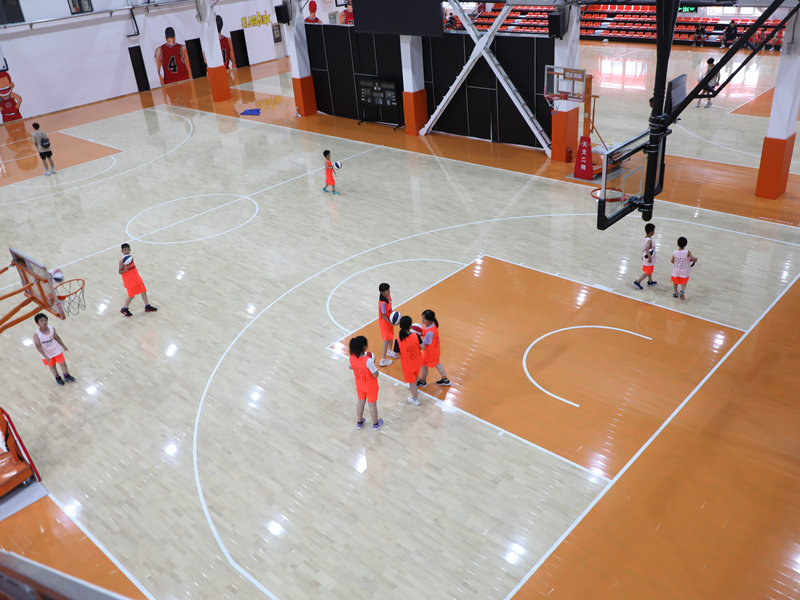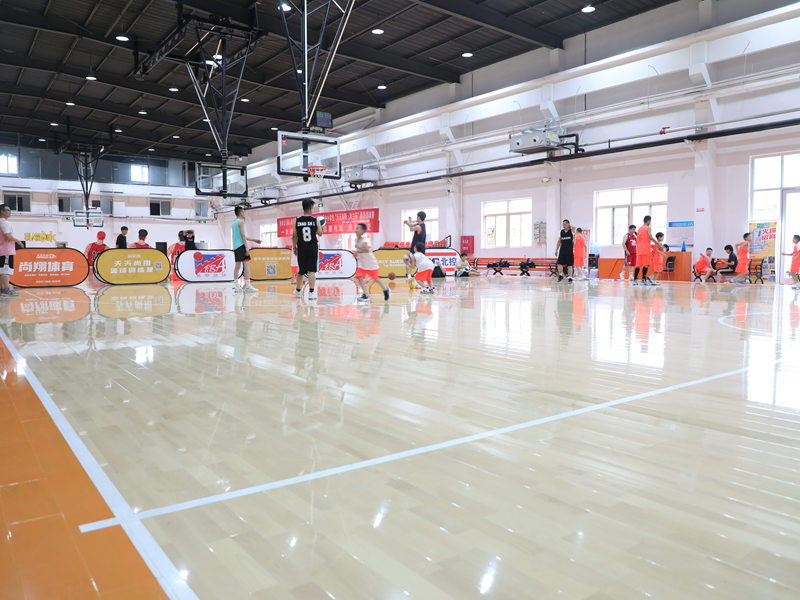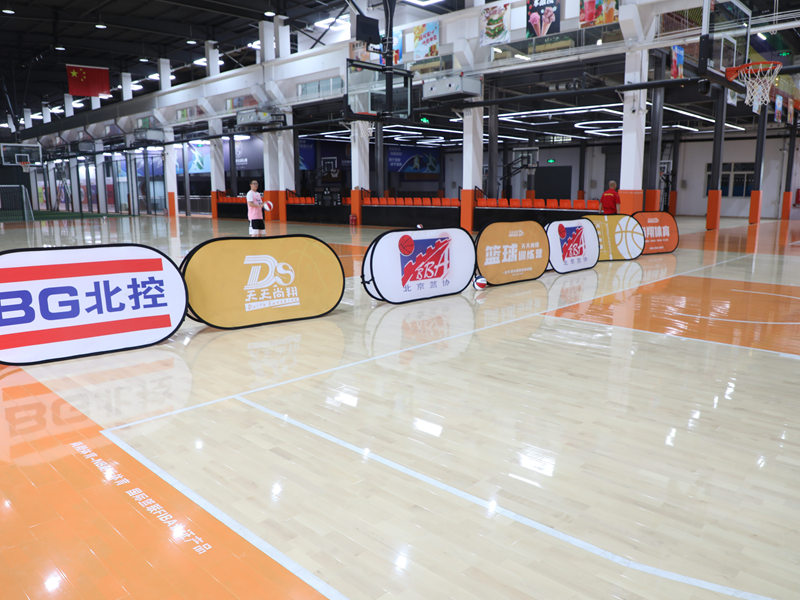
Every basketball player knows that the floor beneath their feet matters. It affects how they move, how they stop, how they jump, and how they land. Professional basketball courts around the world share one common feature: they are all built with hardwood flooring. But not just any hardwood — specifically, maple hardwood. This guide covers everything you need to know about basketball court wood flooring, from why it is the gold standard to how it is installed, maintained, and refinished over decades of use.
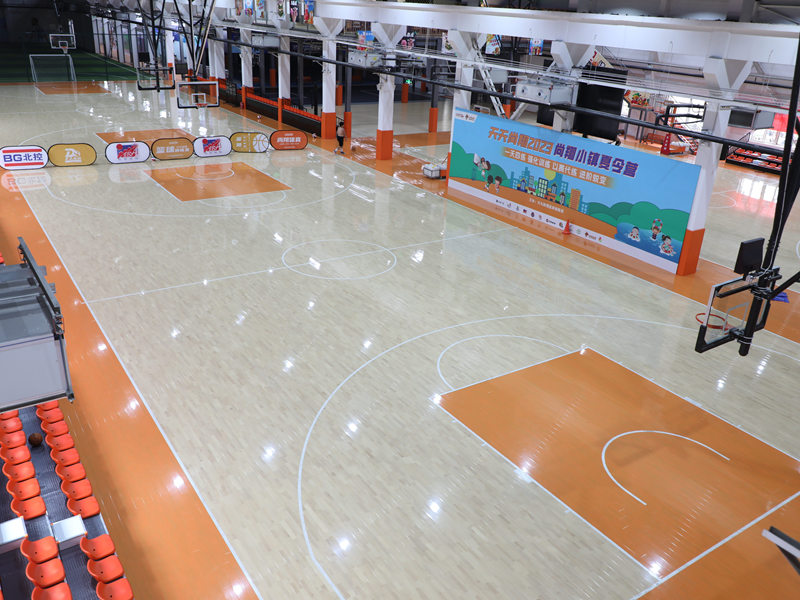
Why Hardwood Is the Only Real Choice for Basketball
Basketball is a high-impact sport. Players sprint, stop on a dime, jump for rebounds, and land hard after every play. The floor must absorb shock, return energy, provide consistent traction, and remain flat and stable under thousands of pounds of force every single day. Concrete is too hard and reflects impact force back into the body. Rubber is too soft and absorbs too much energy, making players feel sluggish. Carpet traps sweat and bacteria. Only hardwood delivers the perfect combination of shock absorption, energy return, durability, and hygiene that basketball demands.
The Science of the Perfect Basketball Floor
The ideal basketball floor has a coefficient of friction between 0.4 and 0.6. This provides enough grip to prevent slipping during quick lateral movements while still allowing smooth, fluid transitions. Too much grip increases the risk of ankle injuries. Too little grip causes players to slide and lose control. Hardwood flooring hits this sweet spot perfectly. It also has a vertical deflection of 2.3 millimeters or less, meaning the floor flexes slightly under load and returns to its original shape. This flex absorbs impact and reduces stress on joints, knees, and ankles.
What Makes Maple the King of Basketball Floors
Sugar maple is the undisputed king of basketball court flooring. It ranks 1450 on the Janka hardness scale, making it incredibly resistant to dents, scratches, and wear. Its tight, uniform grain pattern creates a consistent playing surface with no soft spots or weak areas. Maple also has excellent dimensional stability, meaning it does not expand, contract, warp, or cup easily under changing humidity and temperature conditions. This is critical in a gymnasium where hundreds of players generate sweat, body heat, and moisture every day.
The Thickness That Matters
Professional basketball courts use hardwood planks that are typically 3/4 of an inch thick, laid over a plywood subfloor. This thickness provides the right balance of rigidity and flexibility. Thinner planks would flex too much and feel unstable. Thicker planks would be too rigid and transmit too much impact force to the player’s body. The 3/4-inch standard has been refined over decades of professional use and is backed by extensive sports science research.
Installation Is Everything
A basketball court floor is only as good as its installation. The subfloor must be perfectly level, clean, and dry. A moisture barrier is essential. The planks must be nailed down using a pneumatic nailer for maximum stability. Expansion gaps of 3/8 inch must be left around the entire perimeter. Skipping any of these steps will result in a floor that buckles, gaps, or fails within a few years.
Maintenance That Keeps the Floor Playing Ready
Basketball court floors require daily sweeping, weekly mopping with a pH-neutral wood cleaner, and periodic refinishing every 7 to 10 years. Chalk dust must be wiped up immediately, as it is abrasive and dulls the finish. Rubber mats should be placed under all heavy equipment. Shoes must be clean and non-marking. With proper care, a maple basketball court floor can last 30 to 50 years.
Basketball court wood flooring is not a luxury — it is a necessity. It is the surface that separates a good game from a great one, and a good gym from a great one.