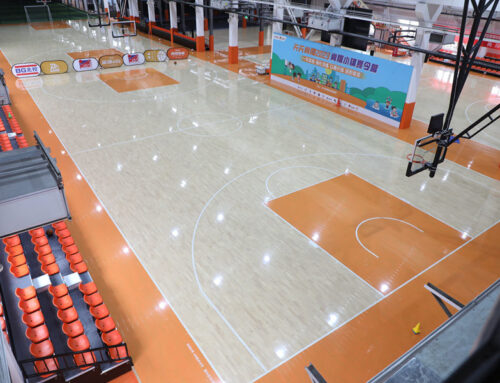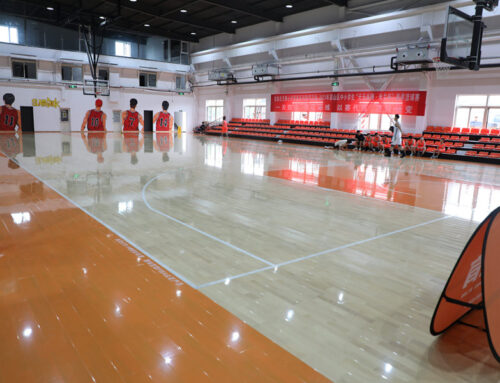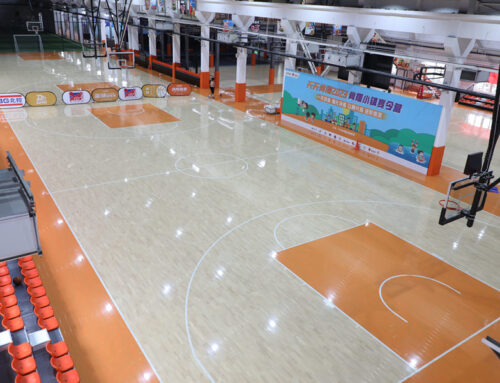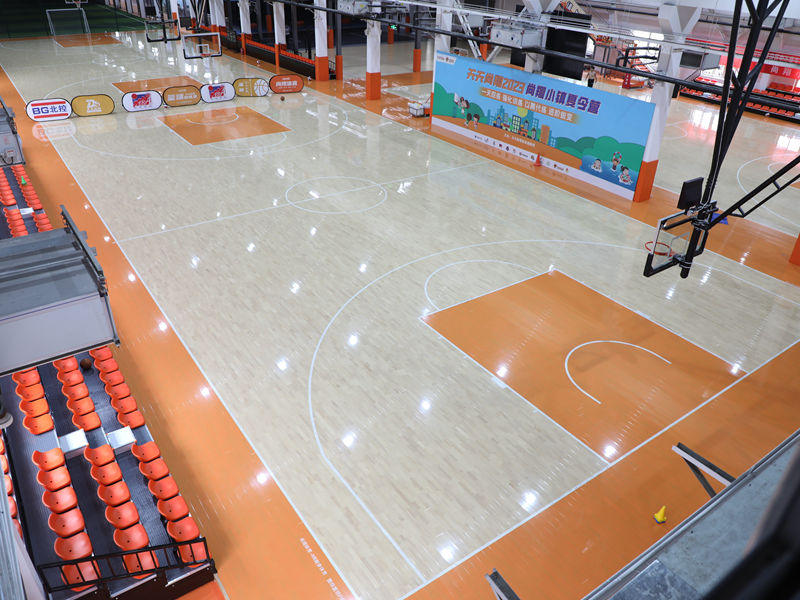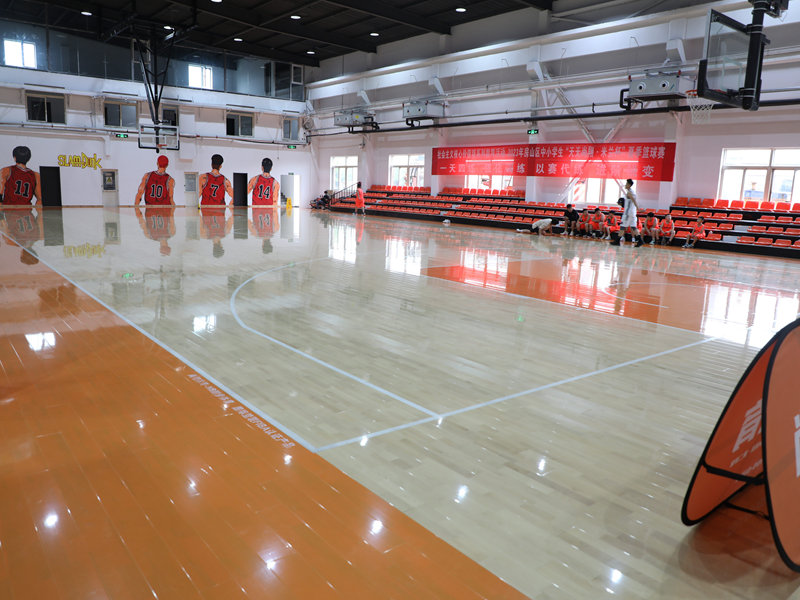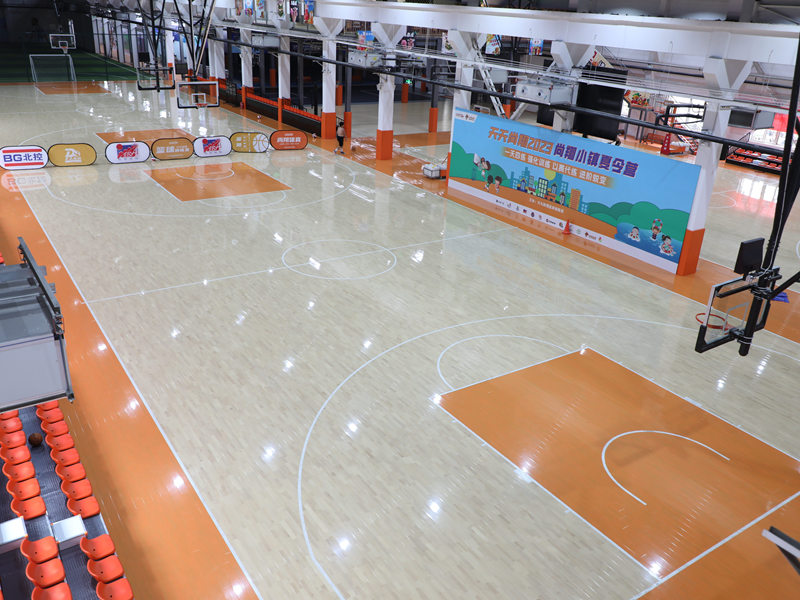
Basketball is a sport of precision, speed, and power. Every dribble, every cut, every jump shot depends on the surface beneath the player’s feet. Among all the flooring options available for indoor basketball courts, hardwood remains the undisputed choice. This is not tradition for tradition’s sake. It is physics, biomechanics, and decades of performance data all pointing to the same conclusion.
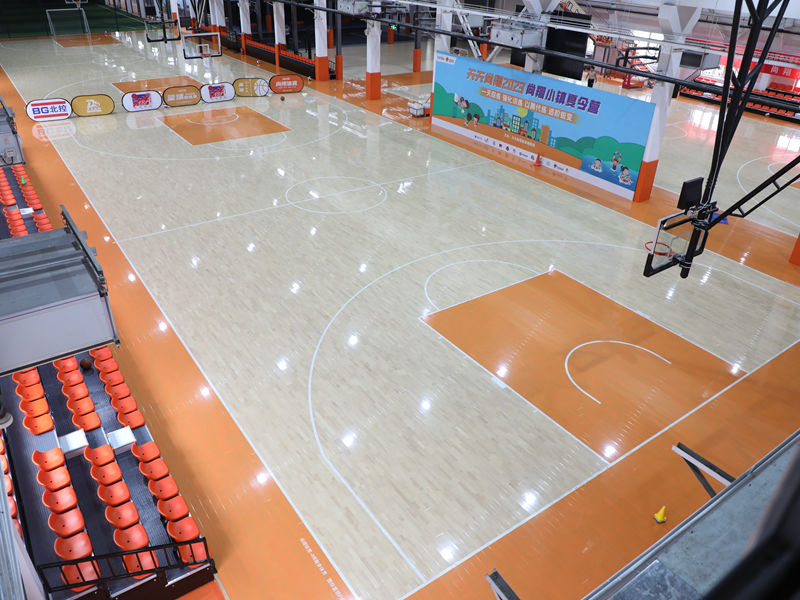
The story begins with ball behavior. In basketball, the ball must bounce predictably. When a player dribbles at full speed, the ball needs to return to their hand at the right height, at the right angle, and with the right amount of energy. Hardwood delivers this consistently across the entire court. The ball rebound rate on a properly installed hardwood basketball court falls between 90 and 96 percent of the drop height. This means that if you drop a ball from 1.8 meters, it will bounce back to approximately 1.62 to 1.73 meters. This consistency is critical. On synthetic surfaces, the rebound rate can vary significantly depending on temperature, humidity, and wear patterns. On hardwood, the variation is minimal.
Shock absorption is the second defining advantage. Basketball is one of the most physically demanding sports in terms of lower-body impact. Players jump, land, cut, pivot, and sprint repeatedly over the course of a game. The cumulative impact force on the joints can be staggering. A properly engineered hardwood floor with a shock-absorbing subfloor system reduces peak impact forces by 30 to 50 percent compared to rigid surfaces. This is not a marginal improvement. Over the course of a season, this reduction translates into significantly fewer knee, ankle, and lower back injuries.
Traction is where hardwood truly differentiates itself from every other option. Basketball players need a surface that grips their shoes firmly enough to allow explosive pushes, sharp cuts, and sudden stops. But the surface must also release cleanly. If the floor is too sticky, the foot will not release during a pivot, and the torque can tear ligaments. If the floor is too slippery, players will slide uncontrollably. Hardwood, when finished with a properly calibrated sports coating, delivers a friction coefficient in the optimal range of 0.4 to 0.6 DIN. This is the sweet spot that allows athletes to perform at their best while staying safe.
Durability is the final pillar. An indoor basketball court sees enormous wear. Professional arenas host games, practices, warm-ups, concerts, and community events on the same floor. A quality hardwood court can withstand this abuse for 20 to 30 years or more. When the surface eventually wears, it can be sanded down and refinished, restoring it to near-new condition. No synthetic surface offers this capability. When a synthetic floor wears out, it must be ripped out and replaced entirely, which is both expensive and wasteful.
Aesthetics matter too. There is a reason why every professional basketball arena in the world uses hardwood. The warm, natural look of wood creates an atmosphere of quality and prestige that no synthetic material can replicate. It elevates the game, enhances the fan experience, and signals that the facility takes its sport seriously.
Hardwood is not just the traditional choice for indoor basketball courts. It is the only choice that delivers the full package of performance, safety, durability, and aesthetics that the sport demands.