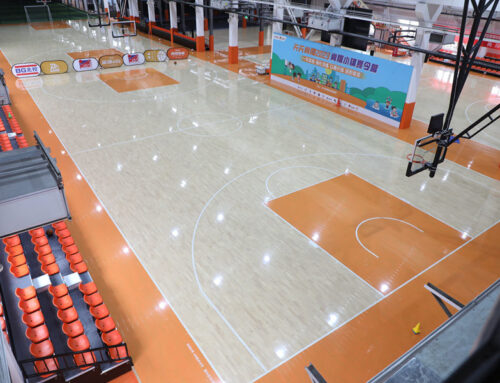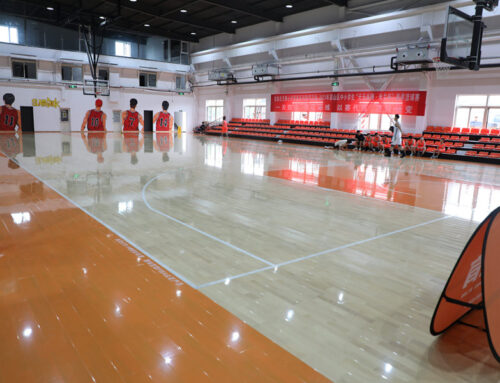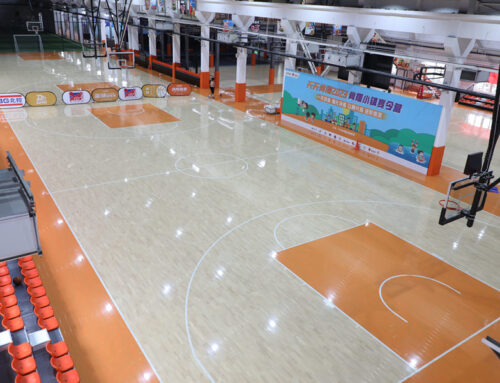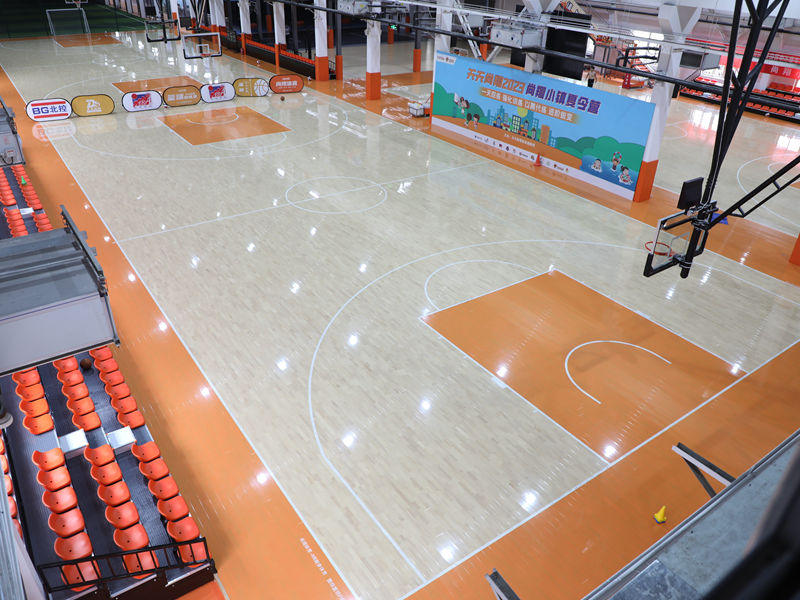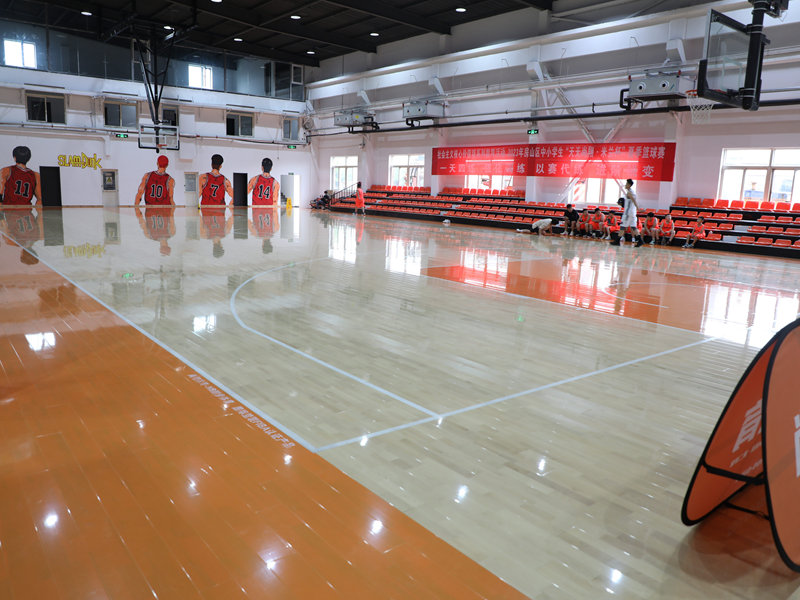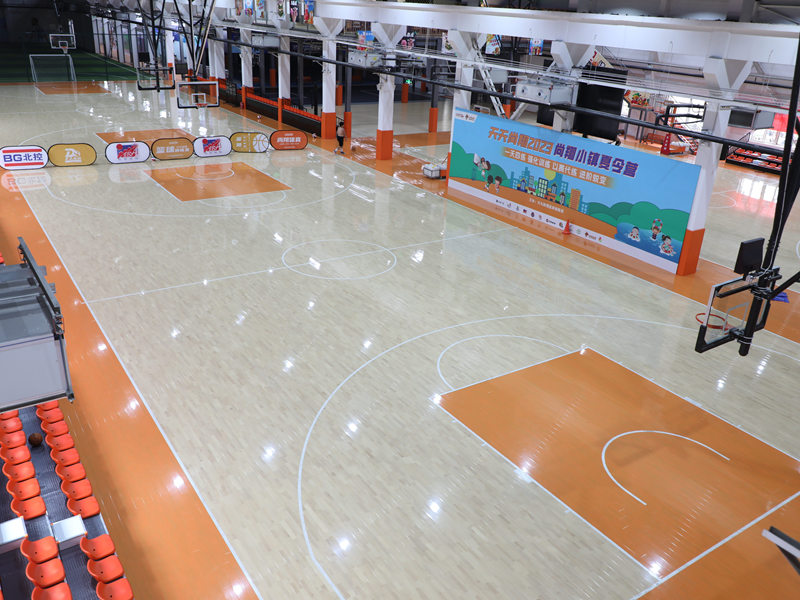
Portable basketball court wood flooring is often used in outdoor settings, which means weather can be a factor in how the system performs and how long it lasts. Understanding the impact of weather can help users make the most of their portable court.
Rain is one of the primary concerns. While wood flooring panels are typically finished with a moisture-resistant coating, prolonged exposure to water can still cause issues. Water that seeps into the seams between panels can lead to swelling, warping, or delamination over time. It is recommended to cover the court with a tarp when it is not in use, especially during rainy periods.
Direct sunlight can also affect portable wood flooring. UV exposure can cause the color of the wood to fade over time, and extreme heat can cause the panels to expand. If the court is set up outdoors, providing some shade — such as a canopy or placing the court under a covered area — can help protect the surface.
Temperature fluctuations can cause wood to expand and contract. In very cold climates, the panels may become more brittle, while in very hot climates, they may expand. Allowing the panels to acclimate to the local temperature before use can help minimize these effects.
Humidity is another factor. High humidity can cause wood to absorb moisture, leading to swelling. In very humid environments, it may be better to use the court indoors or in a covered area. Dehumidifiers or ventilation can help manage indoor humidity levels.
While portable wood flooring is not designed to be left outdoors permanently, it can handle outdoor conditions for reasonable periods with proper care. Many event organizers and tournament hosts use portable courts outdoors for a few days at a time without significant issues.