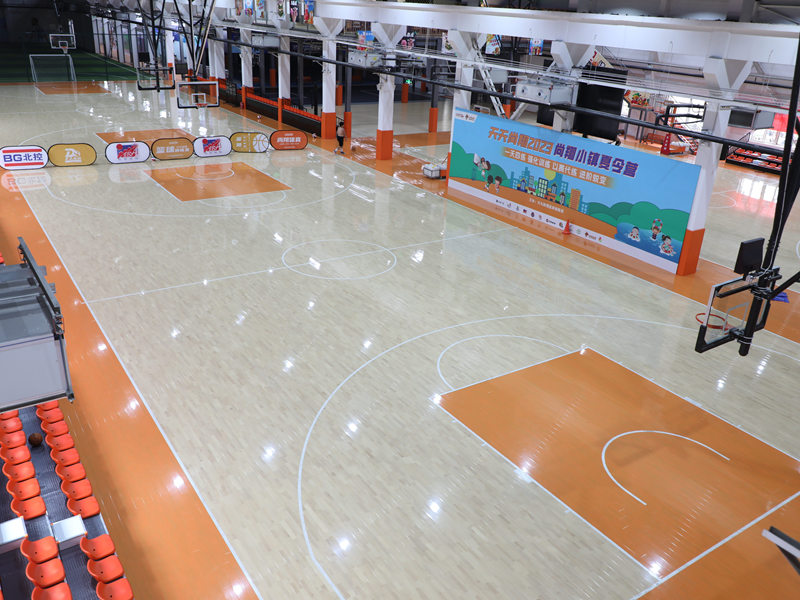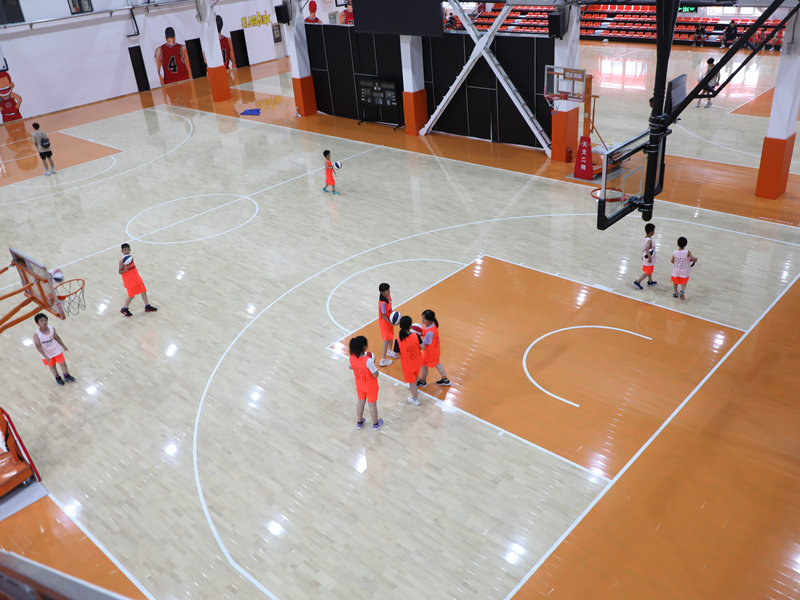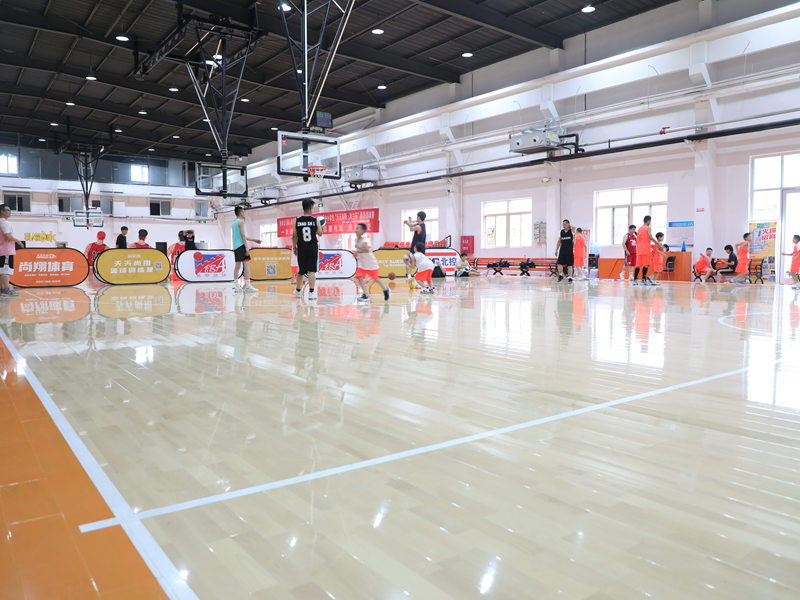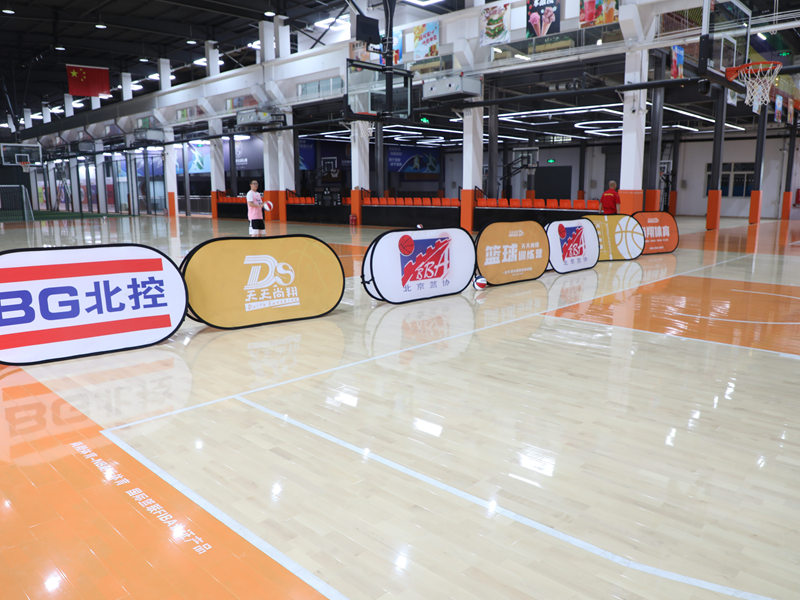
Sustainability is increasingly important to gym owners and fitness enthusiasts. The good news is that wood flooring is one of the most eco-friendly flooring options available — when sourced responsibly. Here is a guide to the most sustainable wood options for gym flooring.
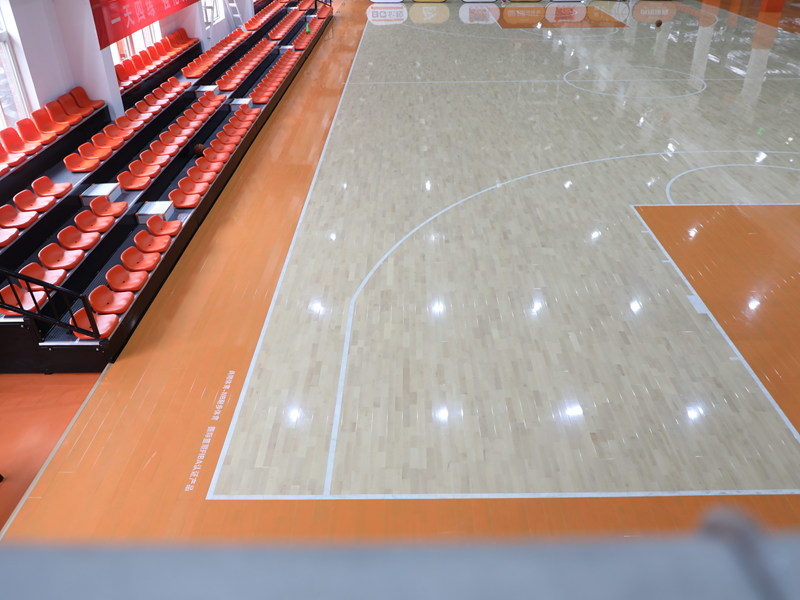
FSC-Certified Hardwood
The Forest Stewardship Council certifies wood that is harvested from responsibly managed forests. FSC-certified hardwood ensures that for every tree cut down, new trees are planted, and ecosystem health is maintained. When shopping for gym wood flooring, always look for FSC certification. It guarantees that your floor is not contributing to deforestation.
Bamboo — The Fastest-Growing Flooring Material
Bamboo is technically a grass, not a wood, but it is grouped with hardwood flooring. It grows up to three feet per day, making it one of the most renewable materials on earth. Strand-woven bamboo is particularly dense and durable, making it an excellent eco-friendly alternative to maple or oak for gym floors. It is also significantly more affordable than traditional hardwood.
Cork — The Renewable Wonder Material
Cork is harvested from the bark of cork oak trees without cutting down the tree. The bark regenerates every 9 years, making cork one of the most sustainable flooring materials available. Cork underlayment is also an excellent eco-friendly choice for gym wood floors. It is naturally antimicrobial, resists moisture, and provides outstanding sound dampening.
. Here is a detailed comparison.
Load-Bearing Capacity
Solid hardwood has a higher load-bearing capacity than engineered wood because it is a single, solid piece of timber. When a 500-pound barbell is dropped on a solid hardwood floor, the force is distributed through the entire thickness of the wood. Engineered wood, by contrast, has a layered construction. While the top veneer is hard, the core layers are softer plywood or fiberboard. Under extreme point loads, engineered wood can dent or compress more easily than solid hardwood.
Resistance to Denting
Solid hardwood is significantly more resistant to denting from dropped weights. Maple, the most common gym wood, has a Janka hardness of 1450, which means it takes a lot of force to create a dent. Engineered maple typically has a similar surface hardness, but the core can compress under heavy, repeated impacts, leading to permanent dents over time.
Stability Under Load hardwood installed with nail-down method is extremely stable under heavy loads. It does not shift, flex, or move. Engineered wood, especially when installed with a floating method, can shift slightly under heavy equipment. This is not just a performance issue — it is a safety hazard. If a squat rack shifts during a heavy lift, the consequences can be severe.
Moisture and Heavy Equipment
Heavy equipment areas are also high-moisture areas because of sweat. Solid hardwood is more vulnerable to moisture damage in these zones. Engineered wood’s cross-grain construction makes it more moisture-stable, which is an advantage in heavy-use areas where sp consistent routine that protects the floor from the unique challenges of a gym environment. Here is your definitive long-term care guide.
The Daily Routine
Every single day, sweep or vacuum the floor to remove dust, chalk, and debris. Follow with a damp mop using a pH-neutral wood floor cleaner. Never use excessive water. A damp mop, not a wet mop. This 2-minute daily routine prevents 90 percent of wear and damage.
The Weekly Routine
Once a week, do a deeper clean with a wood-specific cleaner. Wipe up chalk dust immediately — it is abrasive and dulls the finish. Check for any new scratches or scuff marks and address them with a repair pen or wax stick.
The Monthly Routine
Inspect the floor for gaps, cupping, or lifting edges. Check all expansion gaps around the perimeter. Look for any areas where the finish has worn thin. Catch problems early before they become expensive repairs.
The Annual Routine
Once a year, have the floor professionally inspected. A professional can assess the finish condition, check for hidden moisture issues, and recommend whether refinishing is needed. Most gym floors need refinishing every 7 to 10 years.
The 5-Year and 10-Year Milestones
At the 5-year mark, consider a professional deep clean and finish touch-up. At the 10-year mark, plan for a full refinishing if the finish has worn significantly. Do not wait until the floor looks bad — refinish proactively.
The Non-Negotiables
Never use vinegar, bleach, ammonia, or wax on your wood gym floor. Never use a beater bar vacuum. Never drag heavy equipment across the floor without protective mats. Never allow outdoor shoes on the floor. These four rules, followed consistently, will keep your wood gym floor looking new for decades.
Your wood gym floor is not a disposable surface. It is a permanent feature that deserves permanent care. Follow this guide, and your floor will perform beautifully for the entire life of your gym.