-based alternatives, dried faster, and provided excellent traction and durability.
Precision installation: Modern installation techniques, including laser-guided leveling and computer-controlled sanding, have made it possible to achieve tolerances that were unimaginable a few decades ago. Today’s courts are flatter, more consistent, and more precise than ever before.
Sprung floors: In the 2000s, sprung floor systems began to appear in professional arenas. These systems, which use springs or elastic mounts beneath the hardwood, provide the highest level of shock absorption available.
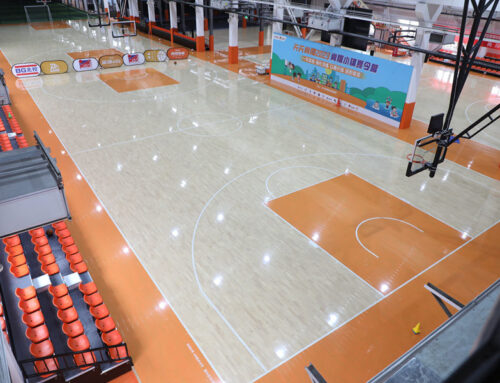
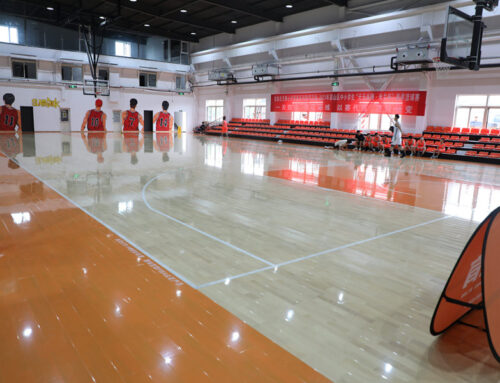
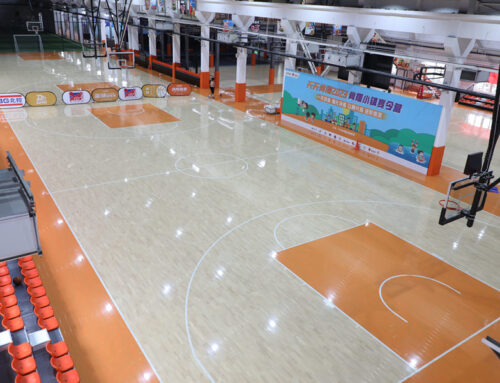
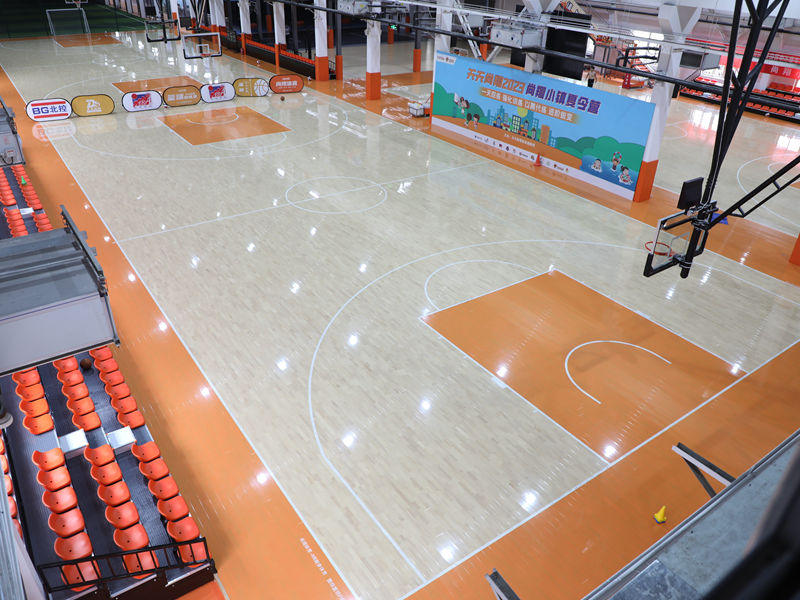
The Look of the Modern Court
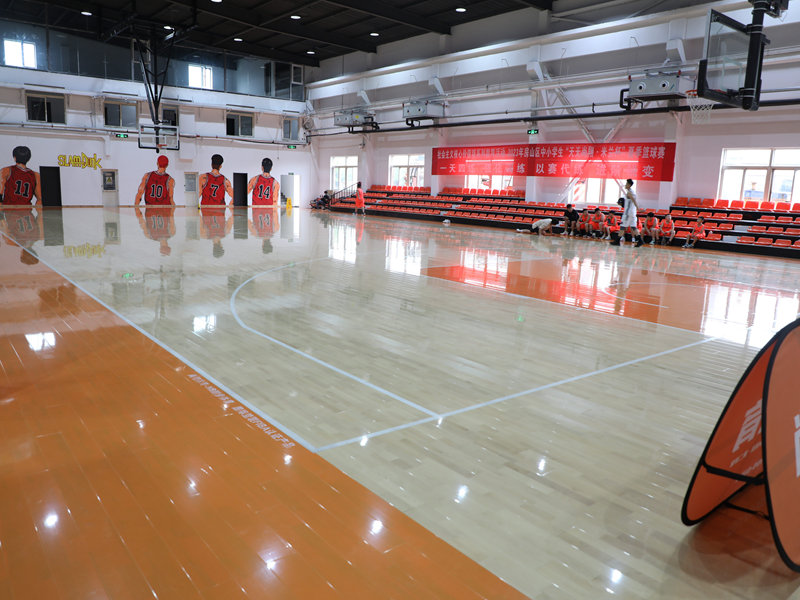
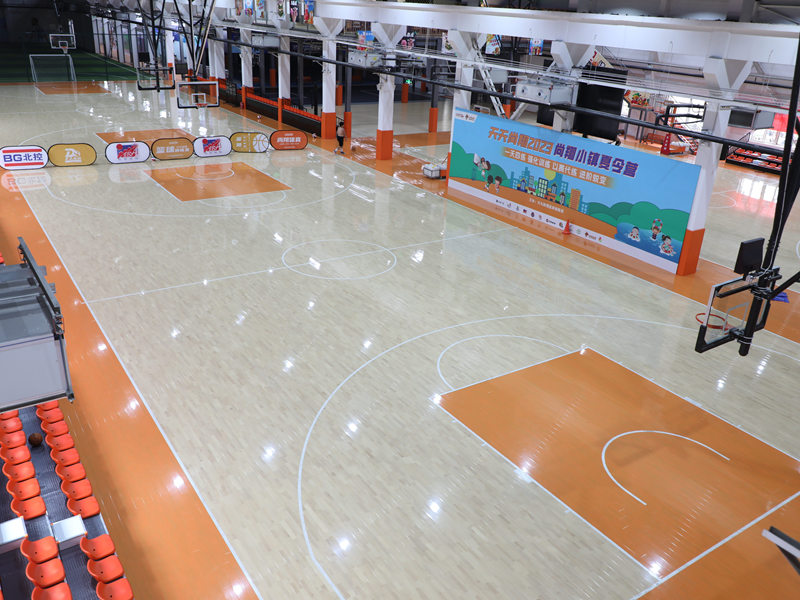
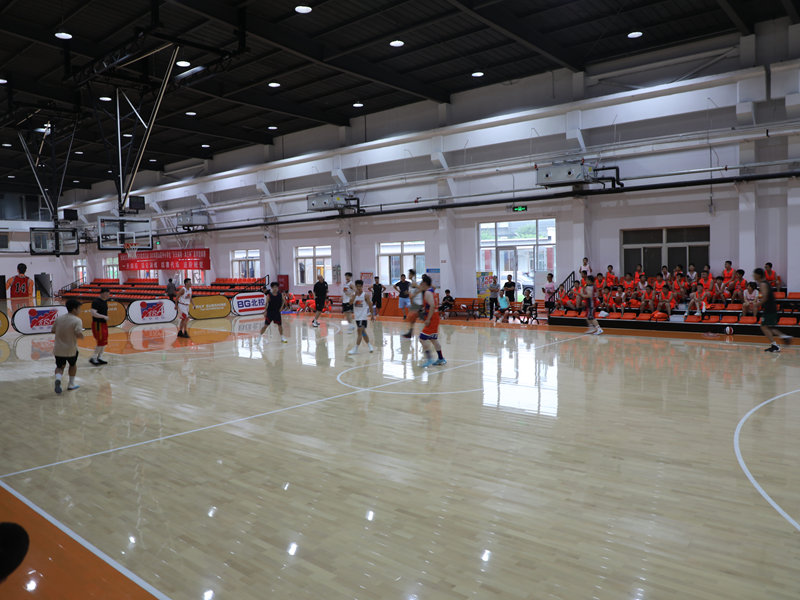
Today’s basketball court hardwood floor is a far cry from the shellac-coated oak floors of the early 20th century. The modern court features:
Solid maple planks, 18 to 20 millimeters thick.
A precision-installed underlayment system for shock absorption and ball bounce tuning.
A water-based polyurethane finish with a satin sheen.
Court markings painted with precision to official dimensions.
Environmental controls to maintain optimal temperature and humidity.
The result is a surface that performs at the highest level, looks stunning on television, and lasts for decades.
Conclusion
The history of basketball court hardwood flooring is a story of continuous improvement. From the humble beginnings of shellac-coated oak to the precision-engineered maple floors of today, each era has brought new materials, new technologies, and new standards. As basketball continues to evolve, so too will the floors on which it is played. But one thing will never change: the hardwood floor is, and always will be, the heart of the green facility. In a world that is increasingly focused on sustainability, hardwood is not just the best choice for basketball — it is the best choice for the planet.