The indoor basketball court flooring industry is evolving rapidly, and interlocking wooden flooring is at the forefront of this evolution. As technology advances, player expectations rise, and sustainability becomes a priority, the next generation of interlocking flooring is poised to deliver even better performance, greater durability, and a smaller environmental footprint. This article looks ahead at the trends and innovations that will shape the future of this flooring category.
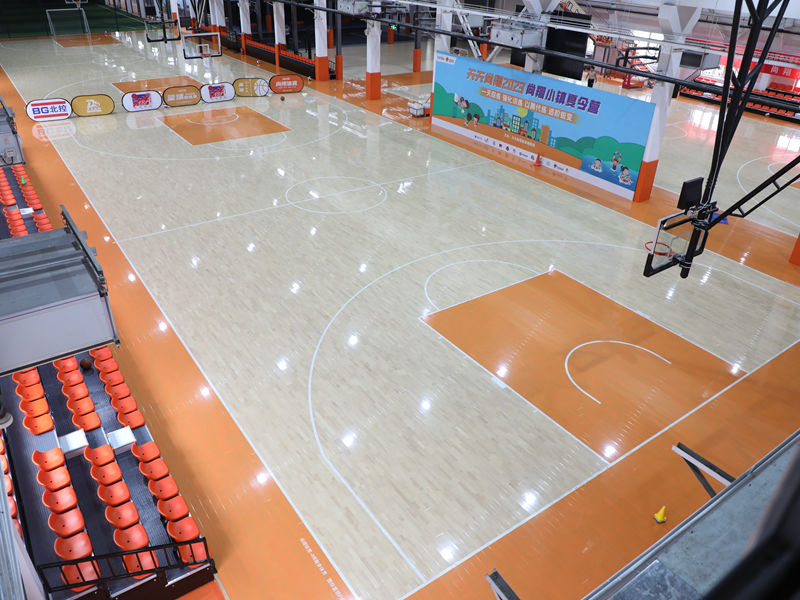
The first major trend is smart flooring. Sensors embedded in the panels could provide real-time data on ball bounce, player movement, and impact forces. This data could be used to optimize training, prevent injuries, and even enhance the fan experience through interactive displays. While this technology is still in its early stages, it is already being tested in professional facilities, and it is likely to become standard within the next decade.
The second trend is improved core materials. Researchers are developing new composite materials that offer even better shock absorption without sacrificing ball response. These materials could include advanced foams, graphene-enhanced polymers, and bio-based rubbers that are both high-performing and environmentally friendly. The result will be floors that are even safer and more comfortable for players.
The third trend is enhanced sustainability. The industry is moving toward fully recyclable flooring systems. Future panels may be made from reclaimed wood, bio-based plastics, and natural rubber, all of which can be recycled at the end of the floor’s life. Manufacturing processes are also becoming more energy-efficient, reducing the carbon footprint of production.
The fourth trend is customization. Advances in digital printing and surface treatment technology will allow facility managers to create floors with custom colors, logos, and patterns. This will give courts a unique identity while maintaining the performance of the interlocking system.
The fifth trend is easier installation. Future interlocking systems may use even simpler connection mechanisms, such as magnetic or snap-fit designs, that require no tools at all. This will make installation accessible to an even wider audience and further reduce labor costs.
The sixth trend is integration with other systems. Interlocking floors of the future may be designed to work seamlessly with underfloor heating, LED lighting, and other smart facility technologies, creating a truly integrated sports environment.
The future of interlocking wooden flooring for indoor basketball courts is bright. As the technology continues to advance, the gap between interlocking and traditional hardwood will narrow even further, while the advantages in flexibility, sustainability, and cost will only grow. For anyone planning a new court or renovating an existing one, interlocking wooden flooring is not just the best choice for today. It is the best choice for tomorrow.