Despite its growing popularity, interlocking wooden flooring for indoor basketball courts is still surrounded by a number of myths and misconceptions. These misunderstandings can lead to poor purchasing decisions or missed opportunities. This article debunks the most common myths so you can make an informed choice.
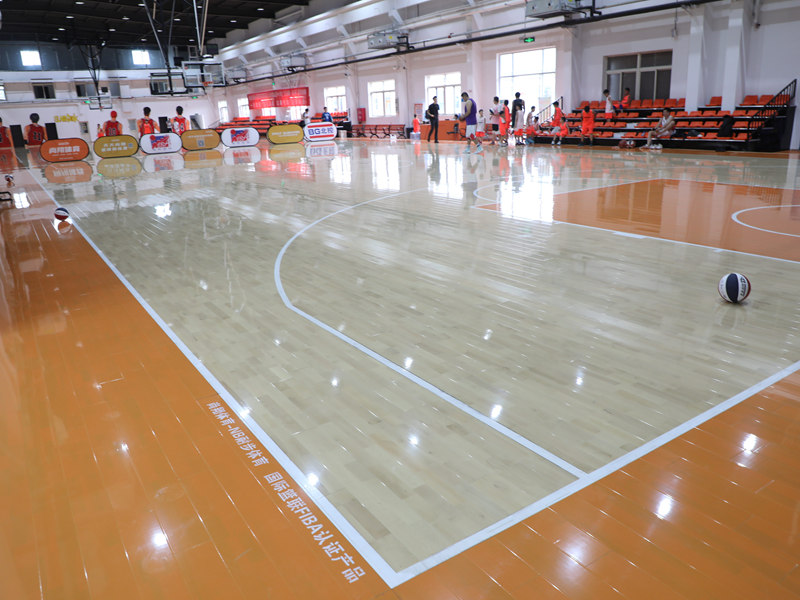
Myth number one: Interlocking flooring is not as good as real hardwood. This is perhaps the most persistent myth. The reality is that the top surface of interlocking panels is real hardwood. The only difference is in the installation method. The playing surface is identical to traditional hardwood. In fact, because the interlocking system incorporates a cushioning base, the overall performance can be superior.
Myth number two: Interlocking panels will come apart during play. This concern is understandable, given that the panels are not glued or nailed down. However, modern interlocking systems use tongue-and-groove connections that are extremely secure. The connections are reinforced with clips or screws at the edges, and the weight of the players on the court actually helps hold the panels in place. Panels do not come apart during normal play.
Myth number three: Interlocking flooring is only for temporary courts. While it is true that interlocking flooring can be installed and removed, that does not mean it is only for temporary use. Many permanent installations use interlocking flooring because of its performance and durability. The removability is a feature, not a limitation.
Myth number four: The floor will feel hollow or spongy. This myth likely comes from early generations of interlocking flooring that used thin, low-quality cores. Modern panels use dense polypropylene honeycomb or rubber cores that provide firm, responsive support. The floor feels solid and stable, not hollow.
Myth number five: Interlocking flooring is more expensive in the long run. As we have discussed in the cost analysis article, the total cost of ownership for interlocking flooring is typically lower than traditional hardwood because of reduced installation costs, lower maintenance costs, and the ability to replace individual panels. Over the life of the floor, interlocking is the more economical choice.
Myth number six: The floor cannot meet official standards. This is simply false. Many interlocking wooden flooring systems have been tested and certified to meet the performance standards of international basketball organizations. Always ask for certification documents before purchasing.
By understanding the truth behind these myths, you can approach your flooring decision with confidence and clarity.