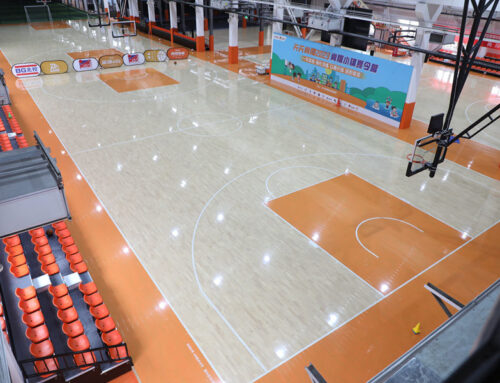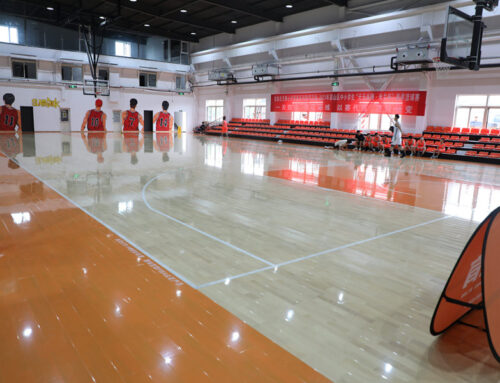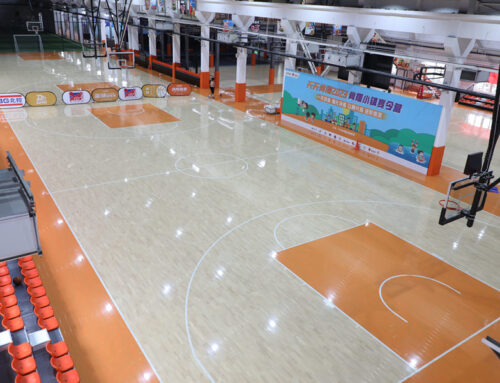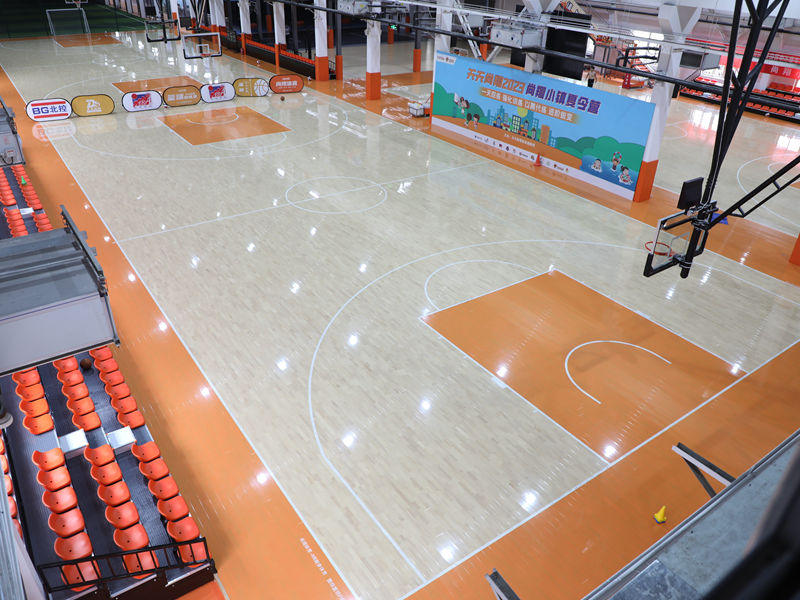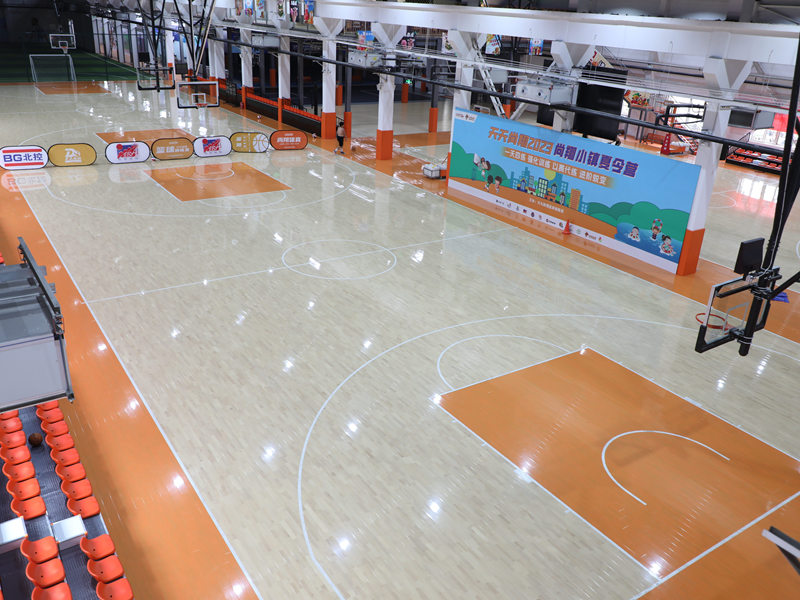
The indoor sports wooden flooring industry is on the cusp of a new era, driven by advances in material science, digital technology, and a growing emphasis on sustainability. As athletes become faster, stronger, and more demanding, and as facility owners seek to maximize the value of their investments, the flooring industry is responding with innovations that promise to transform the playing surface of the future.
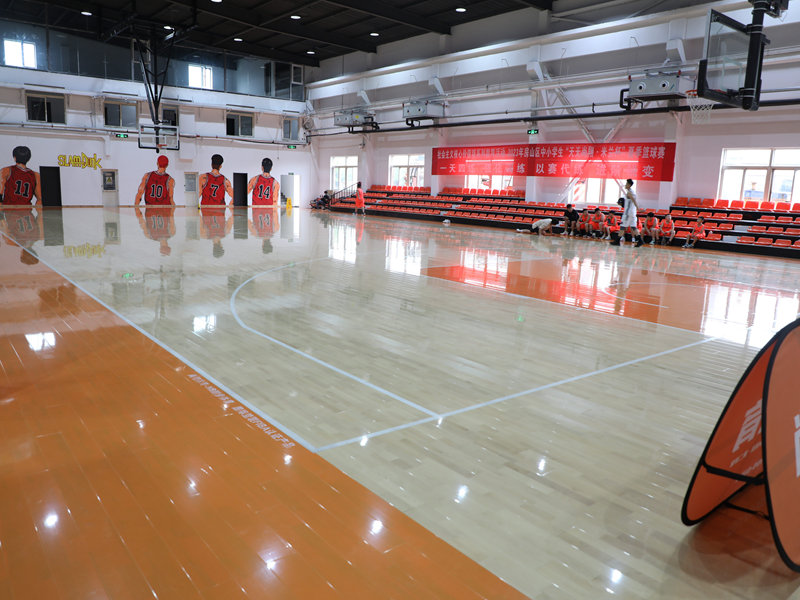
One of the most exciting trends is the development of smart floors. Embedded sensors in the flooring can monitor performance in real time, tracking metrics such as ball bounce height, shock absorption, surface temperature, and moisture content. This data can be transmitted to a central system, allowing facility managers to detect problems before they become serious. For example, if the moisture content in a particular area of the floor rises above the safe threshold, the system can alert the maintenance team to investigate and correct the issue. Smart floors can also provide valuable data for coaches and sports scientists, helping them to optimize training programs and reduce injury risk.
Another trend is the use of advanced materials in the elastic layer. Traditional rubber and foam are being supplemented — and in some cases replaced — by new materials such as graphene-enhanced polymers, nano-composites, and bio-based elastomers. These materials offer superior shock absorption, longer lifespan, and better environmental credentials. Some manufacturers are also experimenting with tunable elastic layers that can be adjusted to meet the specific needs of different sports, using magnetic or pneumatic systems.
Sustainability is driving innovation in every aspect of sports wood flooring. New sourcing practices are ensuring that the wood comes from forests that not only are sustainably managed but also actively sequester carbon and enhance biodiversity. Bio-based finishes, made from plant-derived resins instead of petroleum, are becoming more common, offering the same performance as traditional finishes with a fraction of the environmental impact. Some manufacturers are even exploring the use of reclaimed wood in sports flooring, giving new life to wood that would otherwise be wasted.
The finish coat is also evolving. New nano-coatings are being developed that provide superior durability and traction while using fewer chemicals. These coatings are thinner than traditional finishes, which means they have less impact on the ball bounce and feel of the floor. Self-healing coatings, which can repair minor scratches and scuffs automatically, are also in development, potentially reducing the need for recoating.
Modular and prefabricated flooring systems are another trend that is gaining momentum. Instead of installing the floor piece by piece on site, these systems come in pre-assembled panels that can be installed quickly and easily. This reduces installation time, minimizes waste, and ensures consistent quality. For multi-sport facilities, modular systems can be designed so that different sports can be played on the same floor, with the lines and even the surface properties being changed quickly between events.
The rise of esports and virtual sports is also influencing the design of sports floors. As traditional sports increasingly incorporate digital elements — such as augmented reality overlays and real-time performance analytics — the floor must be compatible with these technologies. Flat, uniform surfaces with embedded sensors are becoming the standard, not just for traditional sports but also for the hybrid events of the future.
Finally, the push for inclusivity is driving the development of more versatile flooring systems. Floors that can accommodate athletes of all ages, abilities, and sports are in high demand. This requires floors that can be quickly reconfigured for different sports, with adjustable shock absorption and traction levels.
In conclusion, the future of indoor sports wooden flooring is bright and full of possibility. As technology advances and sustainability becomes ever more important, sports wood flooring will continue to evolve, providing athletes with the best possible playing surface for generations to come. The floor of the future will be smarter, greener, more versatile, and more performing than anything we have seen before — and it will still be made of wood.