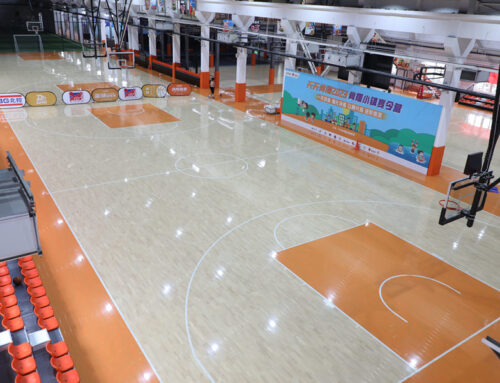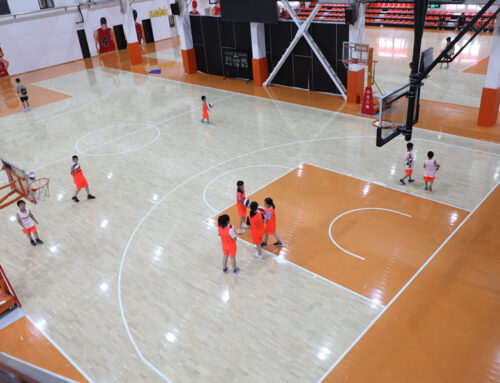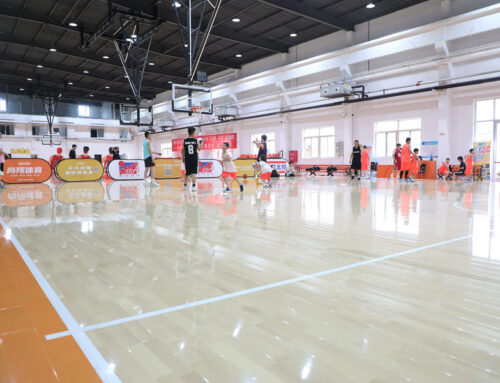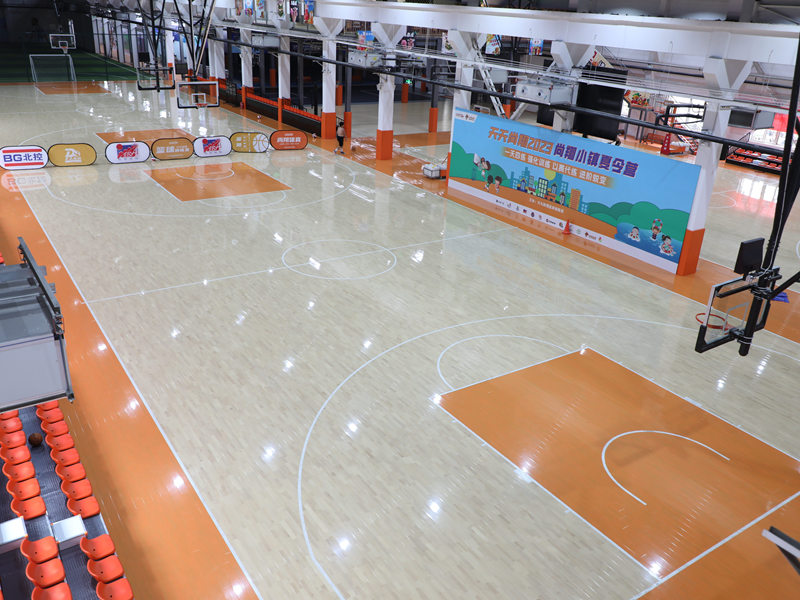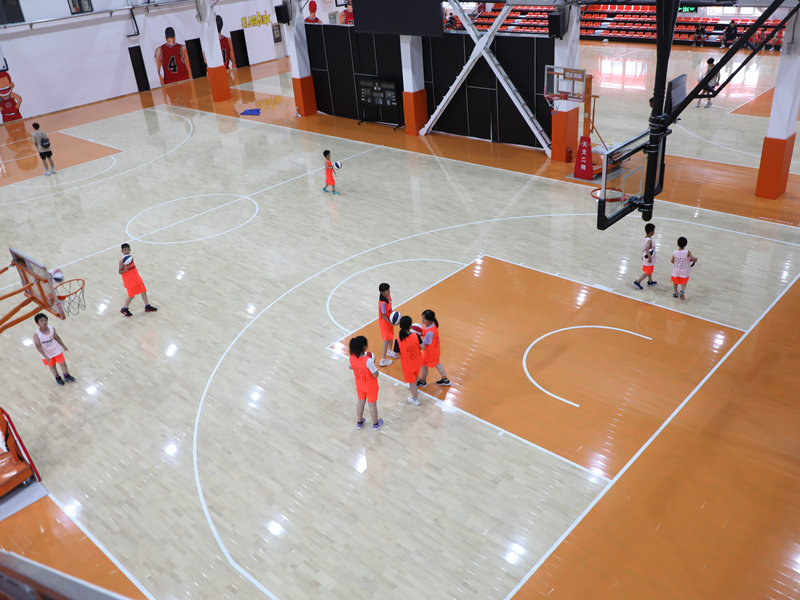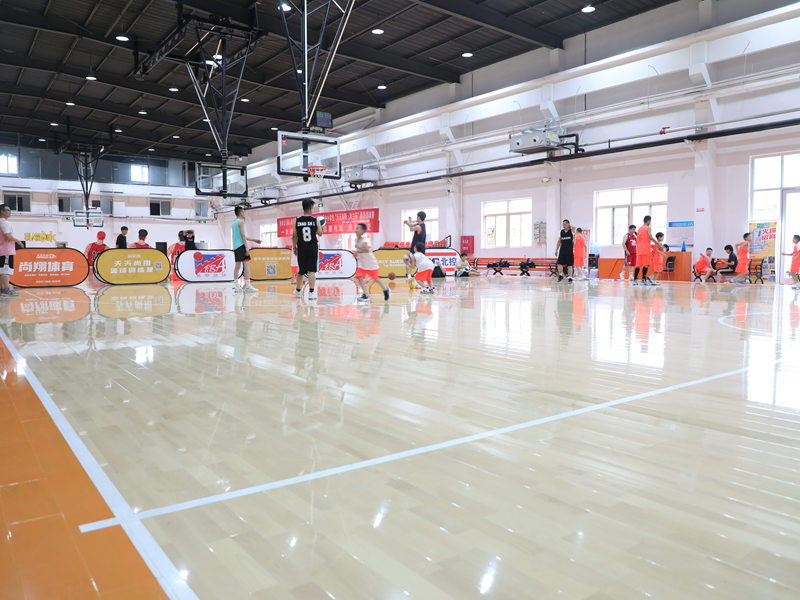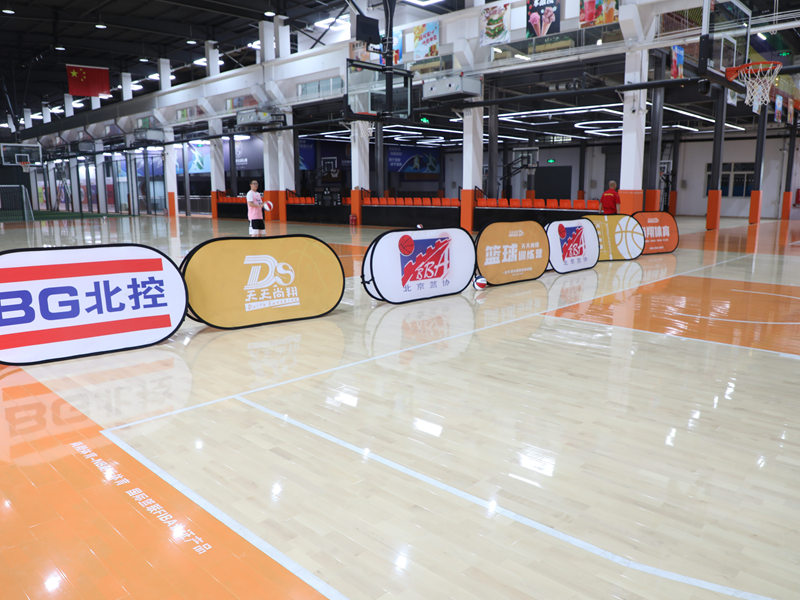
The relationship between basketball and hardwood flooring is as old as the sport itself. From the first gymnasiums in the late 1800s to the modern NBA arenas of today, the evolution of hardwood flooring mirrors the evolution of the game. Understanding this history provides context for why hardwood remains the standard and how it has adapted to meet the demands of modern basketball.
The Early Days: 1890s–1930s
When James Naismith invented basketball in 1891, the game was played on whatever surface was available — often a wooden running track or a concrete floor. The first dedicated basketball courts were built in YMCAs and colleges, and they almost universally used hardwood because it was the most available and most suitable indoor flooring material.
Early hardwood floors were installed directly over joists with no subfloor, no cushioning, and no finish. The boards were nailed down and left bare. The result was a hard, unforgiving surface that caused frequent injuries. But it was the best option available, and players adapted.
The Golden Age: 1940s–1960s
The post-World War II era saw the rise of professional basketball and the construction of dedicated arenas. The Boston Garden, Madison Square Garden, and other iconic venues featured hardwood courts that set the standard for the sport.
During this period, several key innovations were introduced. The subfloor system was developed, providing a more stable and level foundation. The cushioning system was introduced, improving shock absorption and player safety. The polyurethane finish was developed, providing a durable, protective coating that could withstand heavy use.
The NBA was founded in 1946, and its arenas featured the most advanced hardwood floors of the time. The league’s standards for flatness, bounce, and finish became the benchmark for the sport.
The Modern Era: 1970s–Present
The 1970s and 1980s saw the introduction of wider planks, engineered subfloor systems, and more sophisticated cushioning technologies. The 1990s brought the development of low-VOC finishes and the growing awareness of environmental sustainability.
The 2000s and 2010s saw the rise of synthetic flooring as a competitor to hardwood. While synthetics improved significantly, they never fully closed the performance gap. Hardwood continued to evolve, with innovations in installation methods, finish technology, and moisture control.
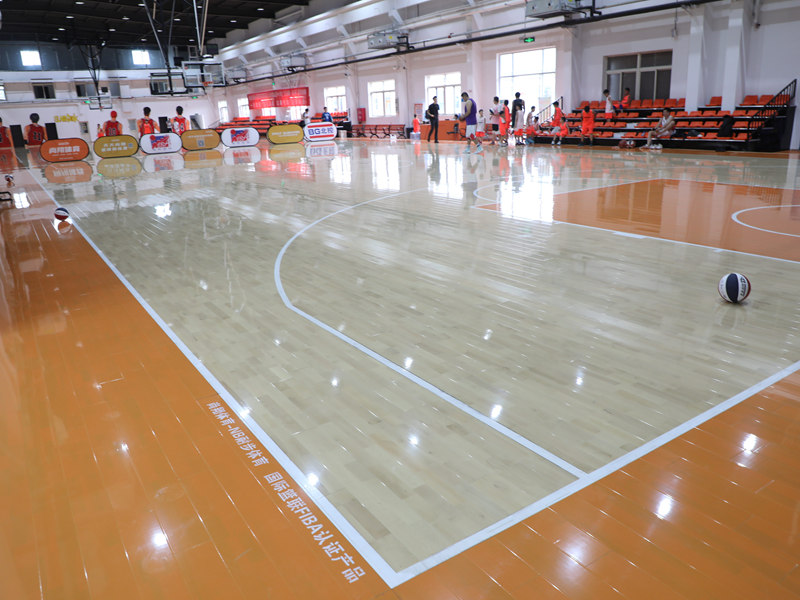
Today, the most advanced hardwood basketball courts feature engineered subfloor systems with integrated cushioning, moisture barriers, and climate-controlled environments. The floors are tested to meet or exceed the standards of FIBA, the NBA, and the NCAA.
What the Future Holds
The future of hardwood basketball court flooring is likely to be shaped by three trends: sustainability, technology, and performance. Sustainably sourced wood, low-VOC finishes, and recyclable materials will become standard. Technology such as embedded sensors for monitoring moisture and flatness will become more common. And performance standards will continue to rise as the game becomes faster and more athletic.
Through it all, hardwood will remain the floor of choice. Its history is the history of basketball itself, and its evolution will continue to mirror the evolution of the sport.