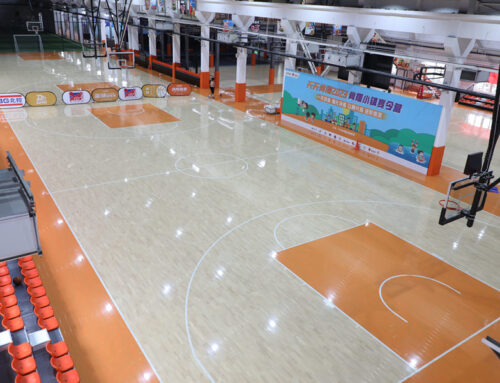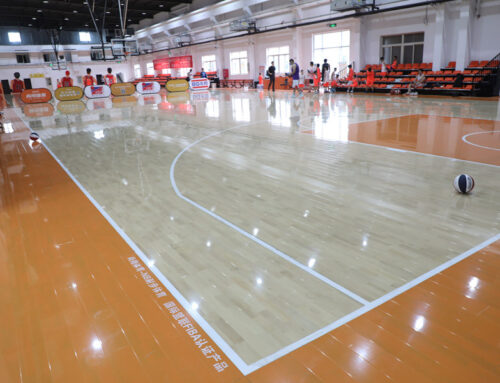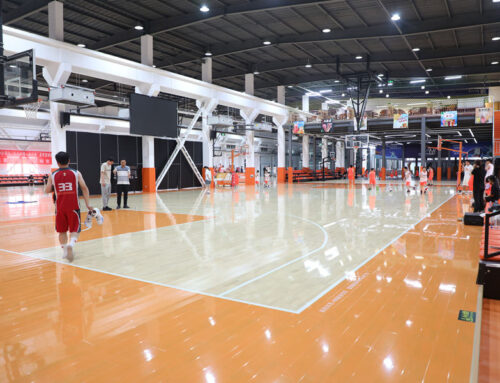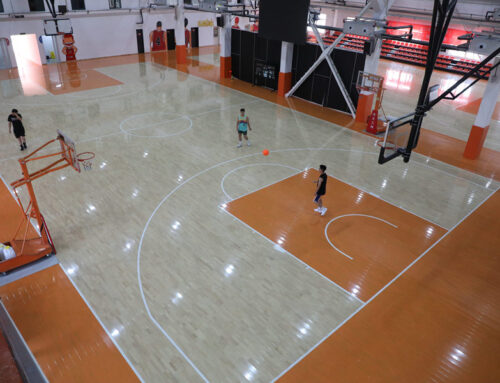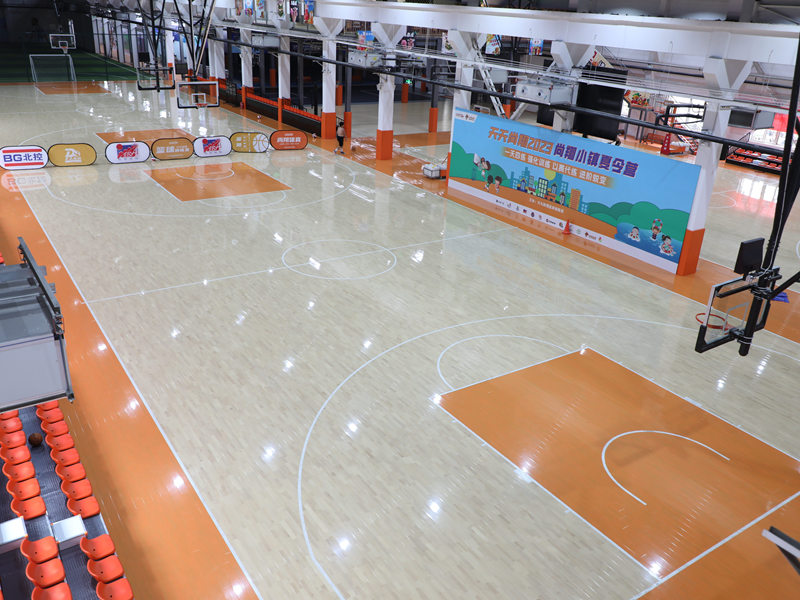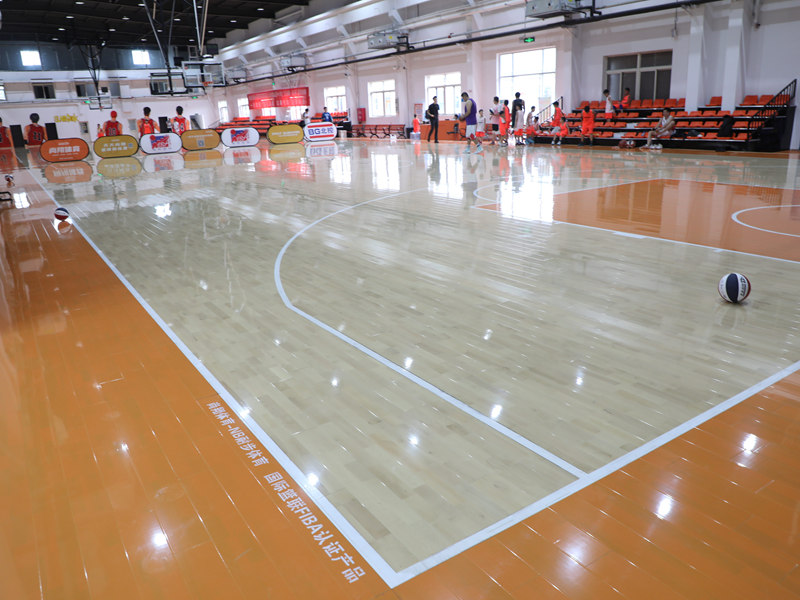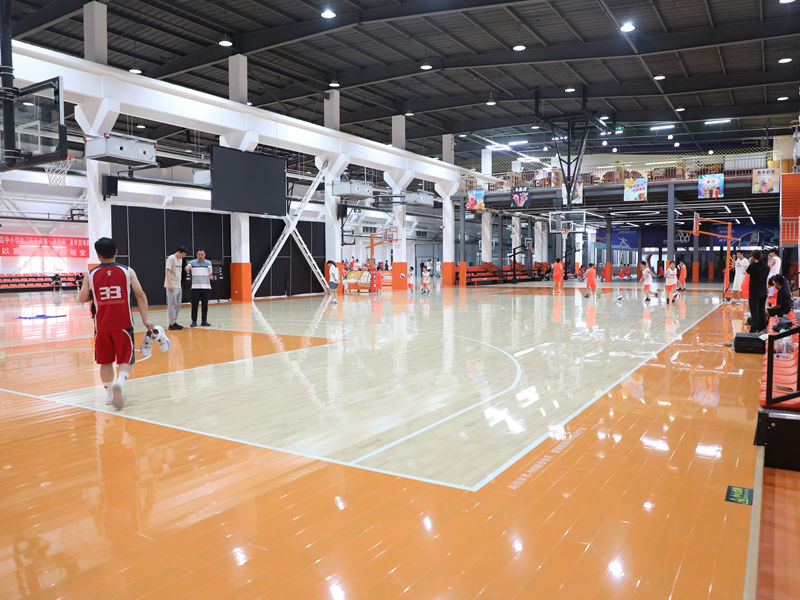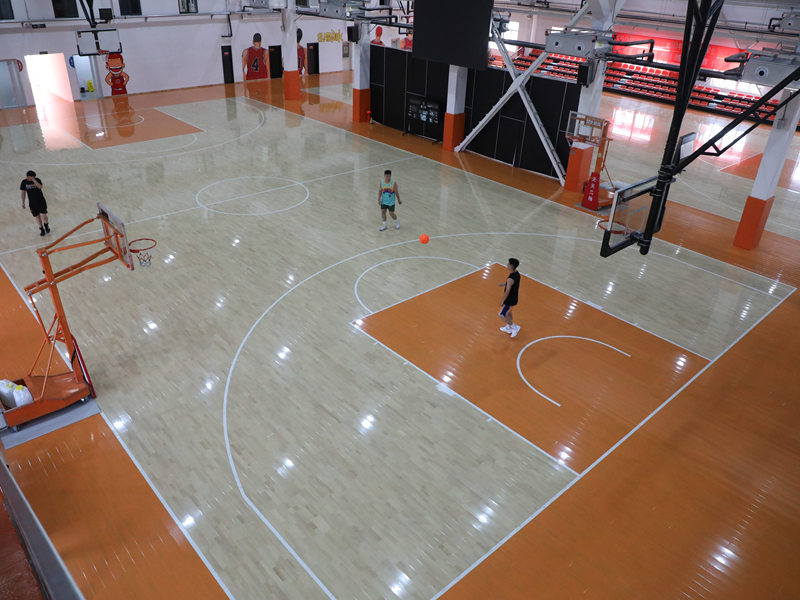
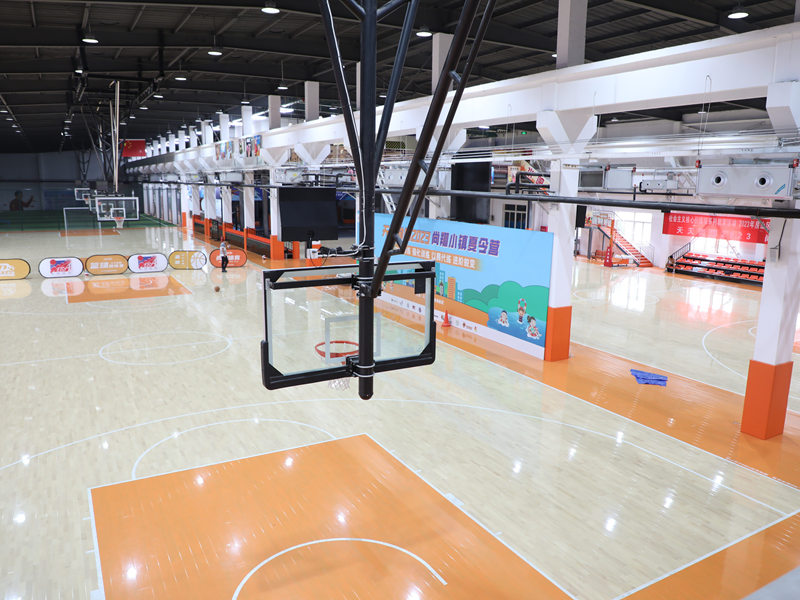
Indoor basketball court flooring has undergone a remarkable evolution over the years, transforming from simple wooden planks to advanced, high-performance surfaces designed to enhance player safety, performance, and overall experience. This transformation reflects not only technological advancements but also a deeper understanding of the biomechanics of basketball and the specific needs of athletes. In this article, we will explore the history, types, benefits, and future trends of indoor basketball court flooring, highlighting its critical role in the sport.
Historical Perspective
The history of indoor basketball court flooring dates back to the late 19th century when Dr. James Naismith invented basketball. Initially, the game was played on any available flat surface, often a wooden gymnasium floor. These early floors were basic, consisting of untreated wooden planks laid side by side. While functional, they lacked the durability and shock absorption needed for the high-impact nature of basketball.
As the sport gained popularity, the demand for better flooring increased. In the mid-20th century, maple wood emerged as the preferred material due to its hardness, durability, and aesthetic appeal. Maple floors became standard in professional and collegiate arenas, setting a benchmark for quality and performance.
Types of Indoor Basketball Court Flooring
Today, indoor basketball court flooring comes in various materials, each offering unique benefits and characteristics. The most common types include:
- Hardwood Flooring: Hardwood, particularly maple, remains the gold standard for indoor basketball courts. Its hardness provides excellent durability, while its fine grain offers a smooth, consistent playing surface. Maple floors are also known for their shock absorption properties, reducing the risk of injuries.
- Synthetic Flooring: Synthetic materials, such as polyurethane and vinyl, have gained popularity in recent years. These floors are highly durable, easy to maintain, and offer excellent traction. They are also more resistant to moisture and temperature changes, making them suitable for multi-purpose facilities.
- Rubber Flooring: Rubber flooring is often used in training facilities and recreational centers. It provides excellent shock absorption, reducing fatigue and the risk of injuries. Rubber floors are also slip-resistant, ensuring player safety during intense workouts.
- Modular Flooring: Modular flooring systems consist of interlocking tiles that can be easily installed and removed. These floors are versatile, allowing for quick transformations between different sports or events. They are also portable, making them ideal for temporary or rental facilities.
Benefits of High-Quality Indoor Basketball Court Flooring
Investing in high-quality indoor basketball court flooring offers numerous benefits, including:
- Enhanced Player Performance: A smooth, consistent playing surface allows players to move freely and perform at their best. High-quality flooring reduces friction, enabling quicker cuts and transitions.
- Injury Prevention: Proper shock absorption and traction are crucial for preventing injuries. High-quality flooring reduces the impact on joints, minimizing the risk of sprains, strains, and other injuries.
- Durability and Longevity: High-quality materials and construction ensure that the flooring withstands the rigors of daily use and maintains its performance over time. This reduces the need for frequent repairs or replacements, saving money in the long run.
- Aesthetic Appeal: A well-maintained basketball court enhances the overall appearance of a facility. High-quality flooring, with its smooth finish and vibrant colors, creates a professional and inviting atmosphere.
- Multi-Purpose Use: Many high-quality flooring options are suitable for multiple sports and activities. This versatility allows facilities to maximize their usage and generate additional revenue.
Future Trends in Indoor Basketball Court Flooring
The future of indoor basketball court flooring is bright, with several exciting trends on the horizon. These include:
- Advanced Materials: Researchers are continuously developing new materials that offer superior performance and durability. For example, composite materials combining wood and synthetic fibers are being explored for their potential to enhance shock absorption and traction.
- Smart Flooring: The integration of technology into flooring systems is a growing trend. Smart flooring can monitor player movements, track performance metrics, and even provide real-time feedback on technique and form. This data can be invaluable for coaches and athletes looking to improve their skills and prevent injuries.
- Sustainability: As environmental awareness increases, there is a growing demand for sustainable flooring options. Manufacturers are exploring eco-friendly materials and production processes to reduce their carbon footprint and meet the needs of environmentally conscious consumers.
- Customization: Customization is becoming increasingly popular, allowing facilities to create unique and personalized playing surfaces. From custom logos and colors to specialized textures and patterns, the possibilities are endless.
Conclusion
Indoor basketball court flooring has come a long way since its humble beginnings. Today, high-quality flooring is essential for enhancing player performance, preventing injuries, and creating a professional and inviting atmosphere. As technology continues to advance, we can expect to see even more innovative and exciting developments in the world of indoor basketball court flooring. Whether you are a professional athlete, a coach, or a facility manager, investing in high-quality flooring is a decision that will pay dividends for years to come.