Introduction
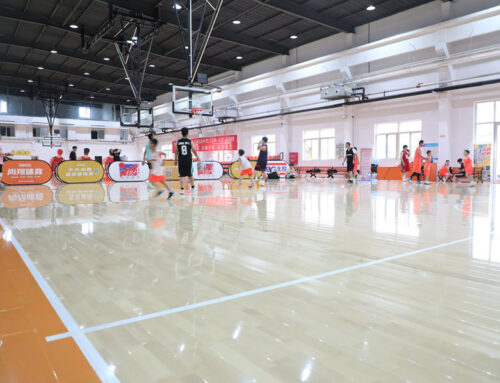
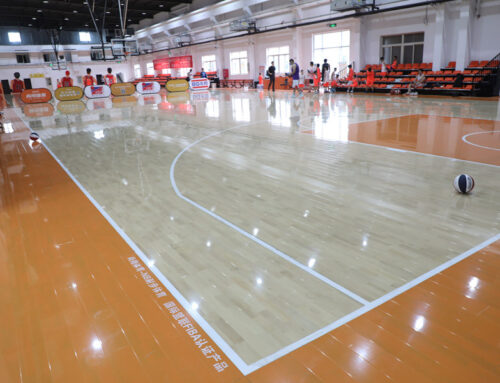
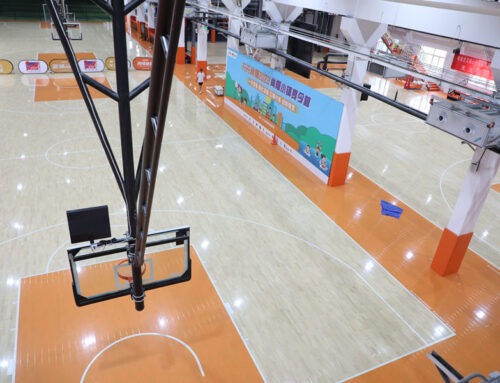
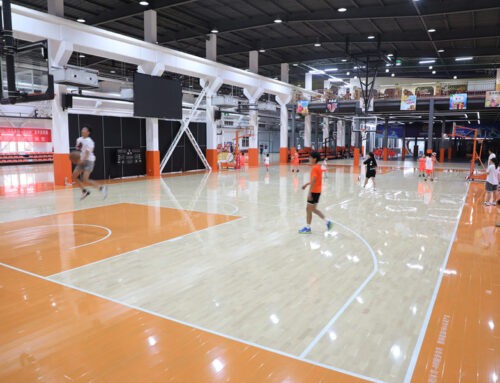
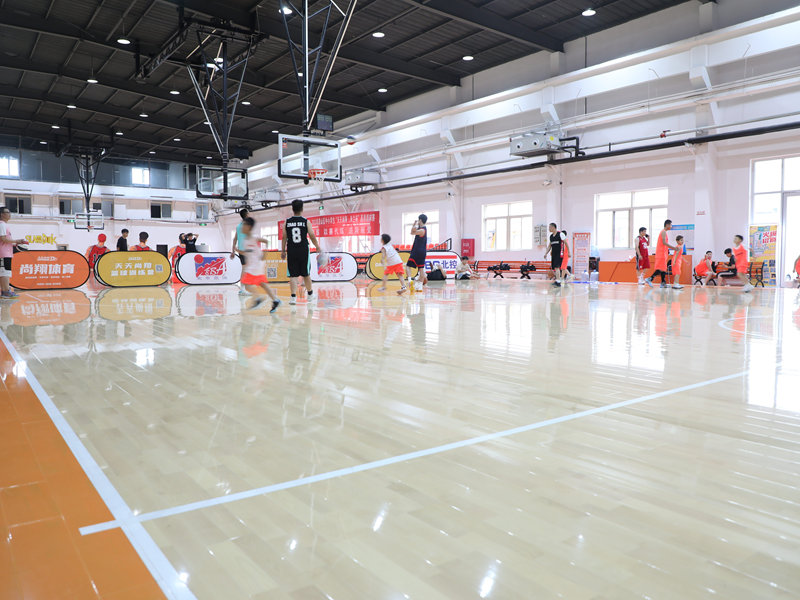
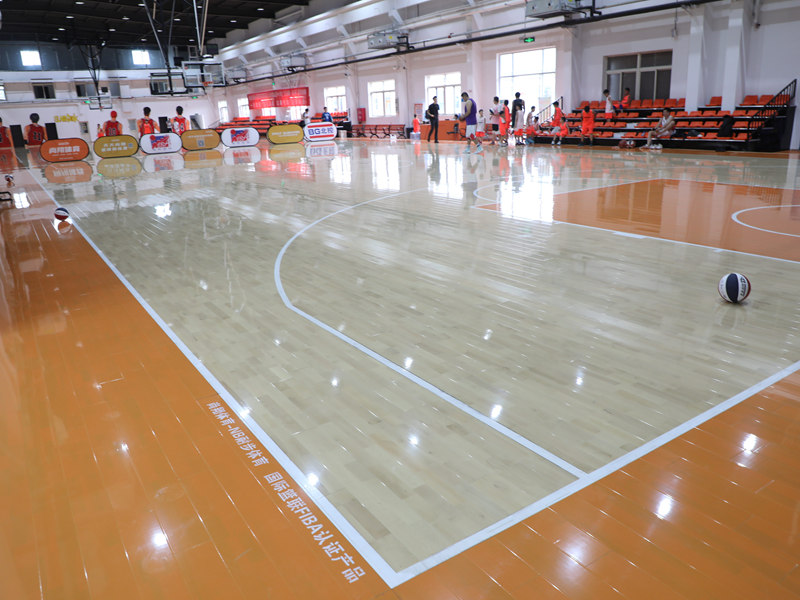
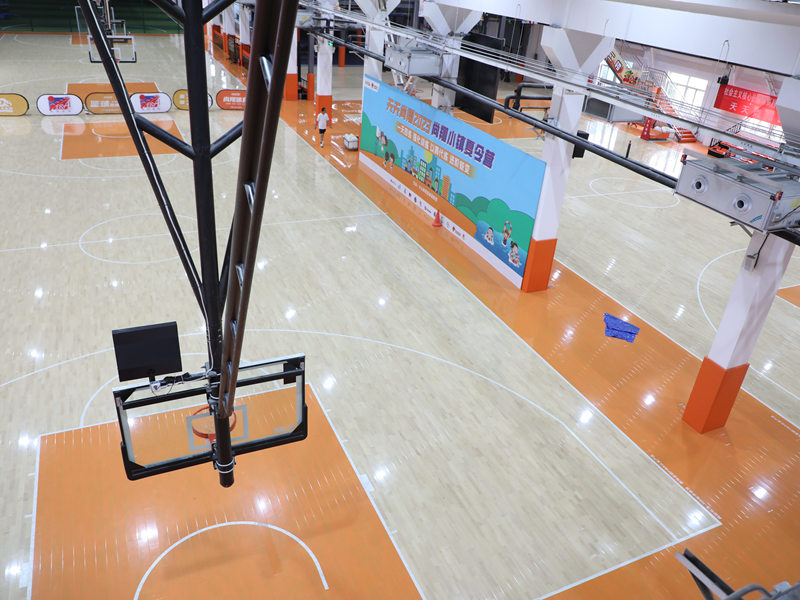
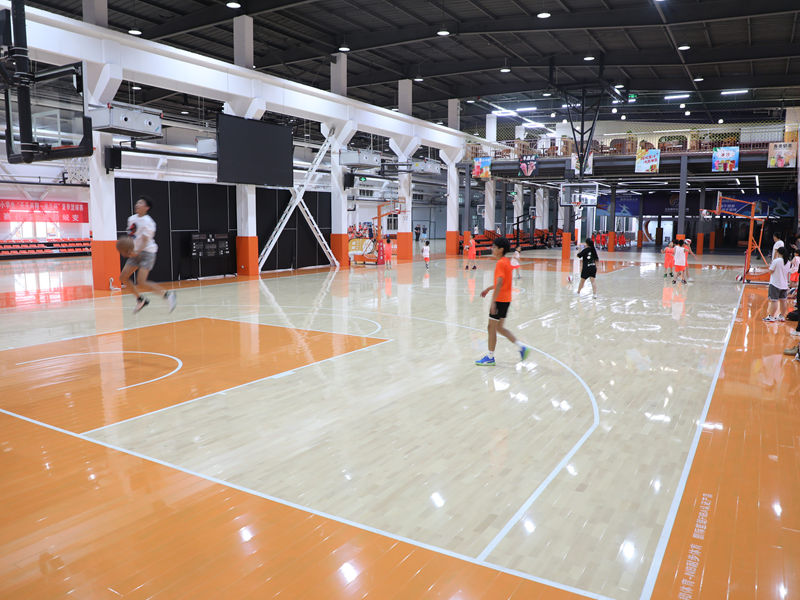
Indoor basketball court flooring is not just a surface; it’s a carefully engineered system designed to optimize player performance, ensure safety, and withstand the rigors of daily use. The science behind indoor basketball court flooring involves a deep understanding of materials, design principles, and biomechanics. In this article, we will delve into the scientific aspects of indoor basketball court flooring, exploring the materials used, design considerations, and how these factors influence performance.
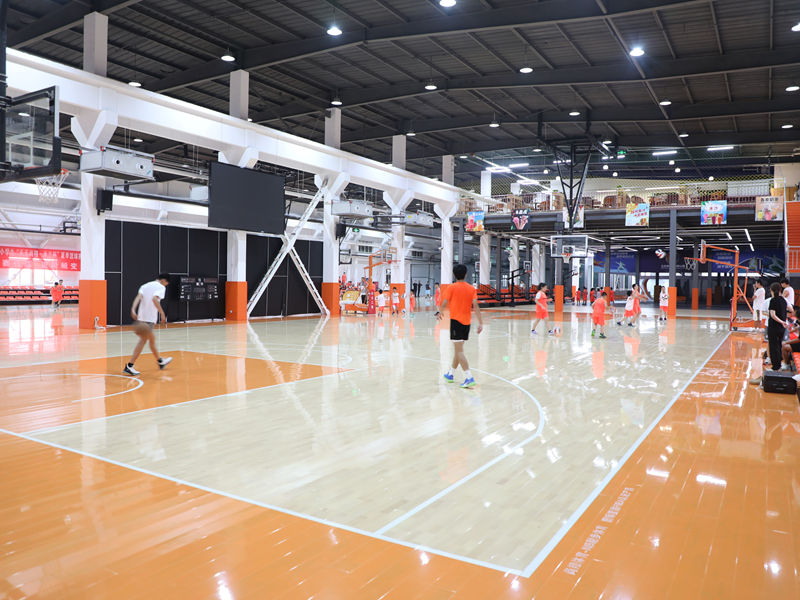
Materials Used in Indoor Basketball Court Flooring
The choice of materials is crucial in determining the performance and durability of indoor basketball court flooring. The most common materials include:
- Maple Wood: Maple is the preferred material for high-end basketball courts due to its hardness, durability, and aesthetic appeal. Its fine grain provides a smooth, consistent playing surface, while its natural shock absorption properties reduce the risk of injuries. Maple floors are also resistant to scratches and dents, maintaining their appearance over time.
- Polyurethane: Polyurethane is a synthetic material known for its durability and resilience. It is often used as a topcoat on hardwood floors to enhance traction and protect the underlying wood from moisture and wear. Polyurethane floors are also easy to clean and maintain, making them ideal for high-traffic areas.
- Vinyl: Vinyl is another popular synthetic material used in indoor basketball court flooring. It offers excellent durability, slip resistance, and moisture resistance. Vinyl floors are also available in a variety of colors and patterns, allowing for customization and personalization.
- Rubber: Rubber flooring is often used in training facilities and recreational centers due to its excellent shock absorption properties. It reduces fatigue and the risk of injuries, making it ideal for intense workouts and high-impact activities. Rubber floors are also easy to install and maintain.
Design Considerations for Indoor Basketball Court Flooring
Designing an indoor basketball court floor involves several key considerations to ensure optimal performance and safety. These include:
- Subfloor Construction: The subfloor is the foundation of the basketball court and plays a crucial role in shock absorption and stability. A well-designed subfloor should consist of multiple layers of plywood or oriented strand board (OSB) secured to a concrete slab. This construction provides a rigid yet flexible base that can withstand the impact of jumping and running.
- Flooring Thickness: The thickness of the flooring material also influences its performance. Thicker floors offer better shock absorption and durability, but they may also be more expensive and heavier. The optimal thickness depends on the specific needs of the facility and the level of play.
- Surface Finish: The surface finish of the flooring affects traction, ball bounce, and overall playability. A smooth, consistent finish is essential for reducing friction and allowing players to move freely. The finish should also be resistant to scratches and dents to maintain its appearance over time.
- Drainage and Ventilation: Proper drainage and ventilation are crucial for preventing moisture buildup and maintaining the integrity of the flooring. The design should include adequate drainage channels and ventilation systems to ensure that the floor remains dry and free from mold and mildew.
Biomechanics of Indoor Basketball Court Flooring
Understanding the biomechanics of basketball is essential for designing flooring that enhances player performance and reduces the risk of injuries. Key biomechanical factors to consider include:
- Shock Absorption: Basketball involves a lot of jumping and landing, which can put significant stress on joints and muscles. High-quality flooring should provide adequate shock absorption to reduce the impact on the body and minimize the risk of injuries.
- Traction: Traction is crucial for preventing slips and falls. The flooring should offer sufficient grip to allow players to make quick cuts and transitions without losing their footing. However, excessive traction can also increase the risk of injuries, so a balance must be struck.
- Ball Bounce: The bounce of the basketball is influenced by the surface finish and elasticity of the flooring. A consistent and predictable ball bounce is essential for fair play and optimal performance.
- Fatigue Reduction: Prolonged play on a hard surface can lead to fatigue and muscle soreness. Flooring with good shock absorption properties can help reduce fatigue and allow players to perform at their best for longer periods.
Performance Testing and Certification
To ensure that indoor basketball court flooring meets the highest standards of performance and safety, it undergoes rigorous testing and certification. Organizations such as the International Basketball Federation (FIBA) and the National Basketball Association (NBA) have established specific guidelines and standards for basketball court flooring. These standards cover aspects such as shock absorption, traction, ball bounce, and durability.
Manufacturers must submit their products for testing to independent laboratories to obtain certification. This certification provides assurance to facility managers and athletes that the flooring meets the required standards and will perform as expected.
Conclusion
The science behind indoor basketball court flooring is complex and multifaceted. It involves a deep understanding of materials, design principles, and biomechanics to create a surface that enhances player performance, ensures safety, and withstands the rigors of daily use. By investing in high-quality flooring that meets the highest standards of performance and safety, facilities can provide a superior playing experience for athletes and create a professional and inviting atmosphere for spectators.