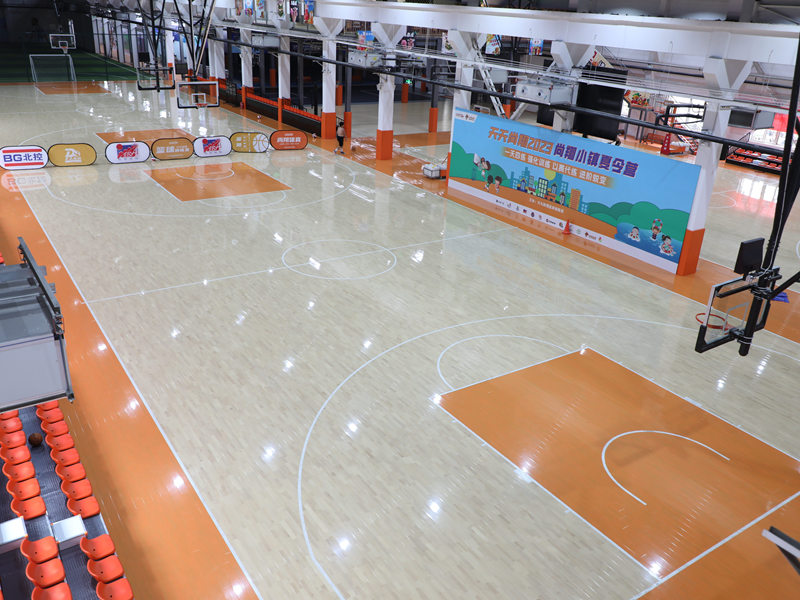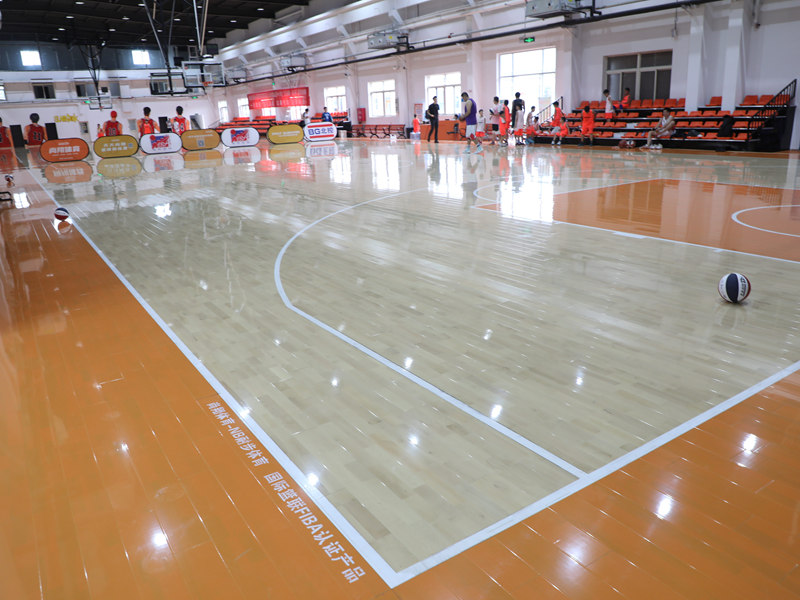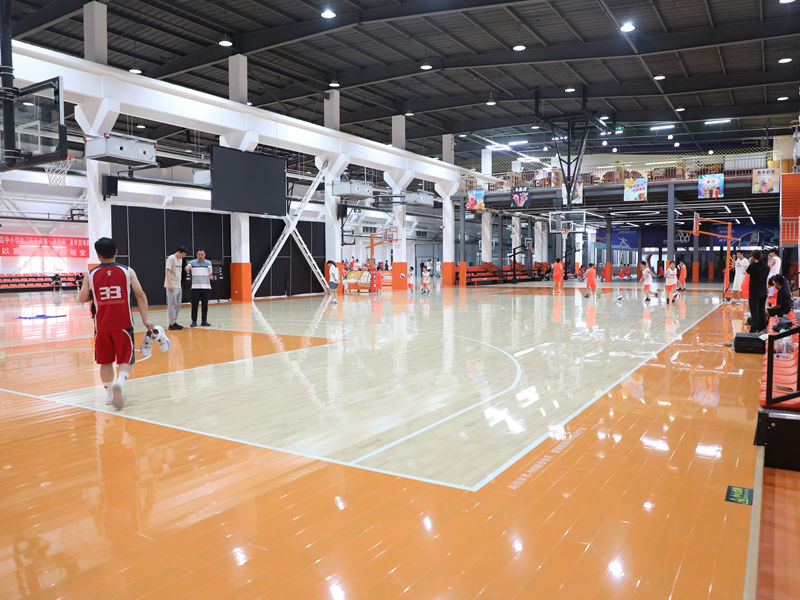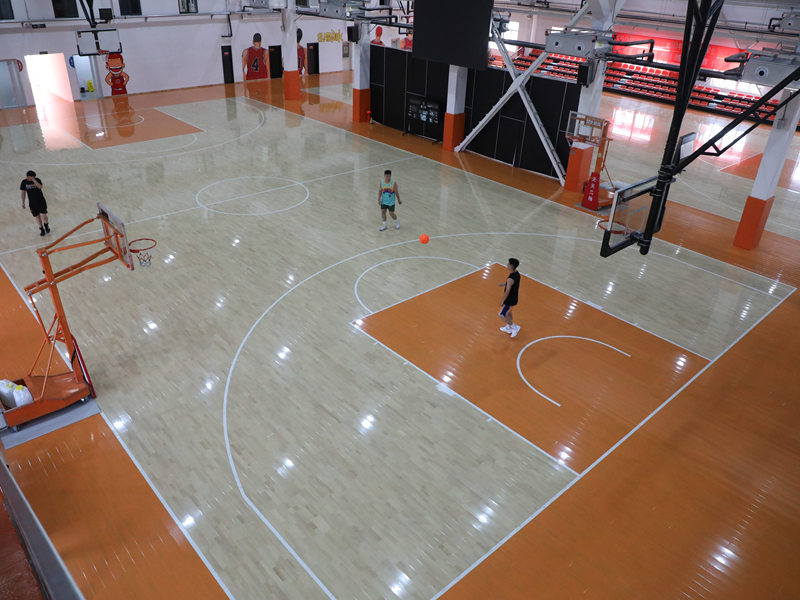
Introduction
Slip resistance is a critical factor in basketball court flooring, as it directly impacts player safety. A slippery surface can lead to slips, falls, and serious injuries, while a surface with adequate slip resistance allows players to move confidently and safely. This article explores the importance of slip resistance, the technologies used to achieve it, and the measures that can be taken to enhance safety on basketball courts.
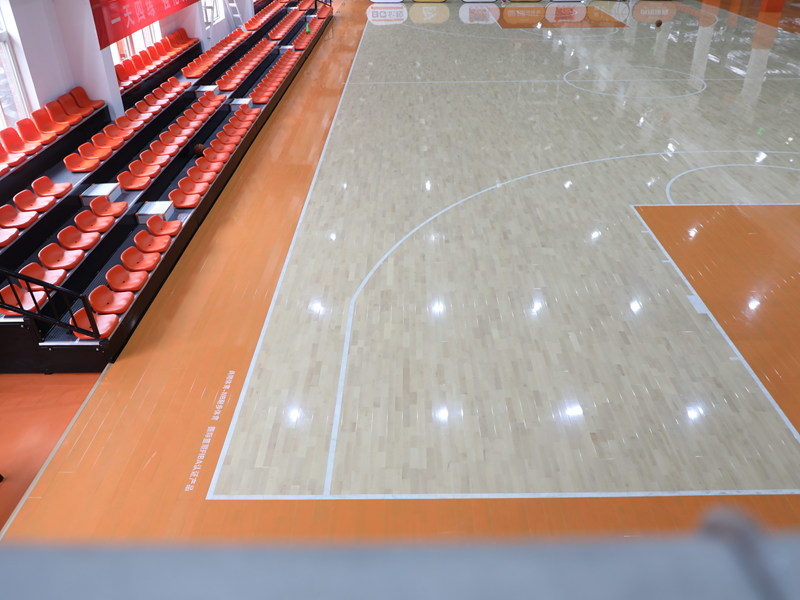
Importance of Slip Resistance
Basketball is a fast-paced sport that involves frequent changes in direction, quick movements, and jumps. These actions require a high level of traction and stability to prevent slips and falls. A surface with adequate slip resistance provides the necessary grip for players to move confidently and safely, reducing the risk of injuries.
Technologies Used for Slip Resistance
There are several technologies used to achieve slip resistance in basketball court flooring:
- Surface Texture: The texture of the flooring surface plays a crucial role in slip resistance. A surface with a slight roughness or grain provides better traction than a smooth surface. Manufacturers can engineer the texture of synthetic or rubber flooring to enhance slip resistance.
- Anti-Slip Treatments: Anti-slip treatments can be applied to the surface of the court to enhance traction. These treatments typically involve applying a coating or sealant that contains particles or additives that increase friction and prevent slips.
- Material Selection: The choice of flooring material can also impact slip resistance. Some materials, such as rubber or certain types of synthetic composites, naturally provide better traction than others. Facilities should choose a material that is known for its slip-resistant properties.
Measures to Enhance Slip Resistance
To enhance slip resistance on basketball courts, facilities can take the following measures:
- Regular Cleaning: Regular cleaning is essential for maintaining optimal slip resistance. Dirt, dust, or debris on the surface of the court can reduce traction and increase the risk of slips. Facilities should schedule regular sweeping and mopping to keep the court clean.
- Reapplication of Anti-Slip Treatments: Over time, anti-slip treatments may wear off or become less effective. Facilities should schedule regular reapplication of these treatments to maintain optimal slip resistance.
- Monitor Wear and Tear: Regularly inspect the court for signs of wear and tear, such as scratches, gouges, or uneven surfaces. These