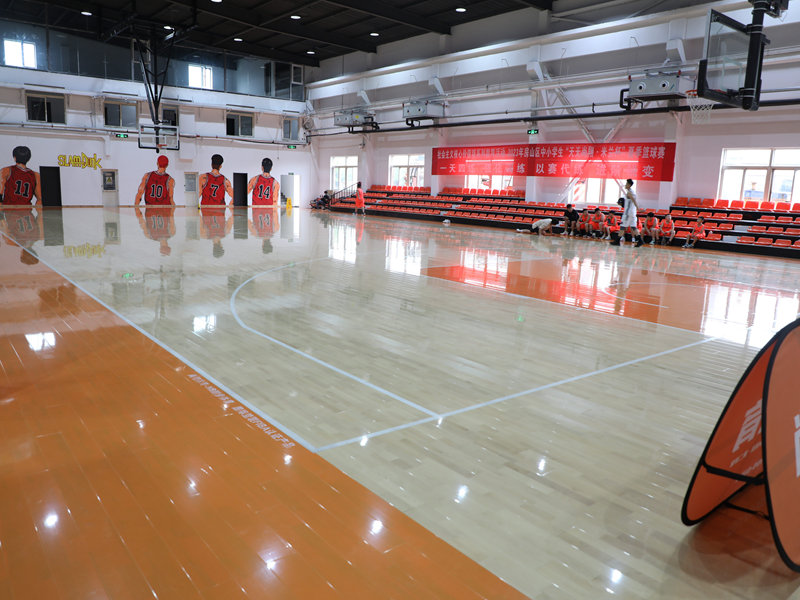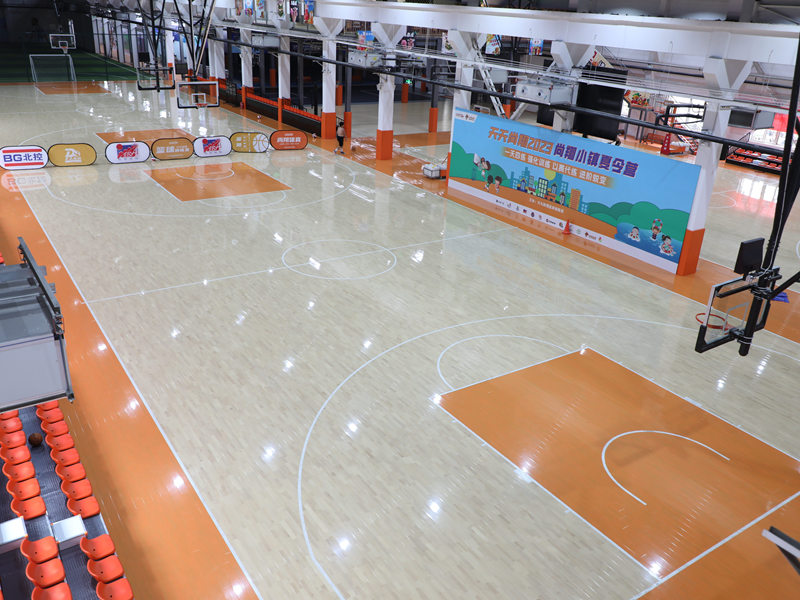
Sustainability has become one of the most pressing priorities in the global construction and sports facility industries, as venue operators seek to reduce their carbon footprint while maintaining world-class athletic standards. Printed sports wooden flooring offers a unique set of environmental advantages that set it apart from both traditional solid wood flooring and fully synthetic sports surfaces. The most significant environmental benefit lies in the ability of printing technology to replicate the visual appearance of rare, slow-growing hardwood species using fast-renewable, responsibly sourced softwood substrates.
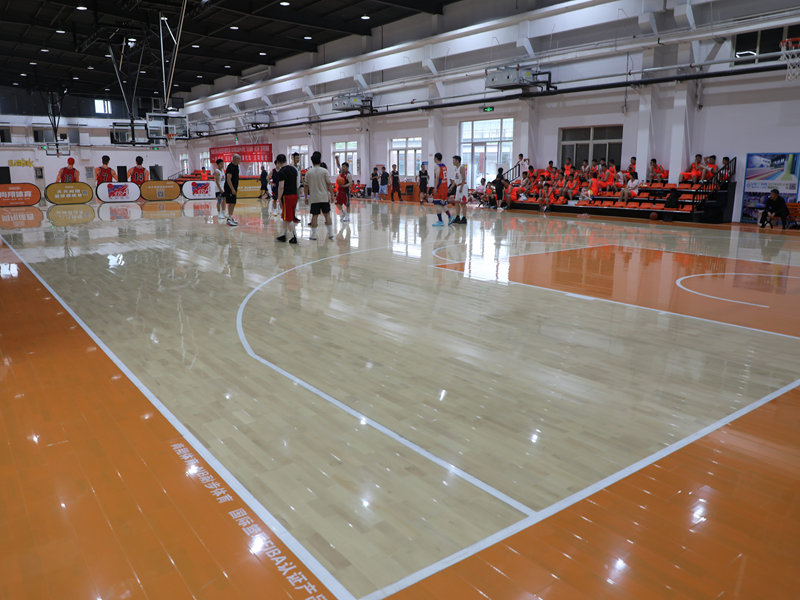
Instead of harvesting old-growth timber that takes centuries to mature, manufacturers can use rapidly regenerating wood species that are harvested from FSC-certified managed forests, then use printing technology to apply a high-fidelity recreation of premium hardwood grain patterns across the surface. This reduces the pressure on endangered old-growth forest ecosystems, while still delivering the aesthetic warmth and natural visual appeal that makes wooden sports floors so beloved by athletes and spectators alike. Additionally, modern water-based printing inks used in the industry contain zero volatile organic compounds, eliminating the toxic fumes that were associated with older solvent-based printing processes and making the flooring safe for installation in community centers, school gyms, and youth sports facilities where air quality is a top concern. The extended lifespan of printed markings also reduces the need for frequent resurfacing projects, which generate large amounts of construction waste and require the use of additional chemical coatings. Many printed sports flooring systems can go 15 to 20 years without needing a full resurface, compared to 8 to 12 years for traditional hand-painted wooden floors. The printing process also allows manufacturers to use thinner top layers of premium wood, as the printed pattern creates the full visual effect of a thick solid wood surface, reducing overall wood consumption per square meter of flooring by up to 40 percent. These combined benefits make printed indoor sports wooden flooring one of the most environmentally responsible choices for modern sports facility construction, aligning high-performance athletic needs with global climate action goals.