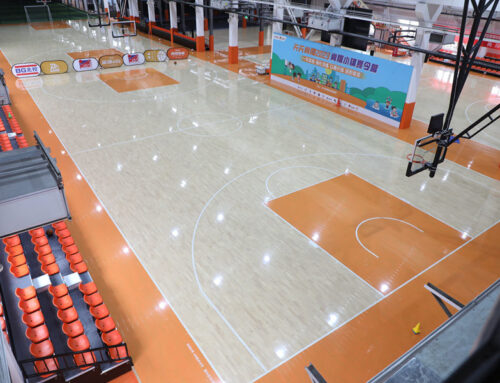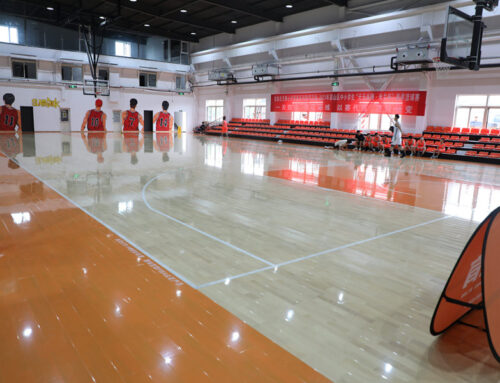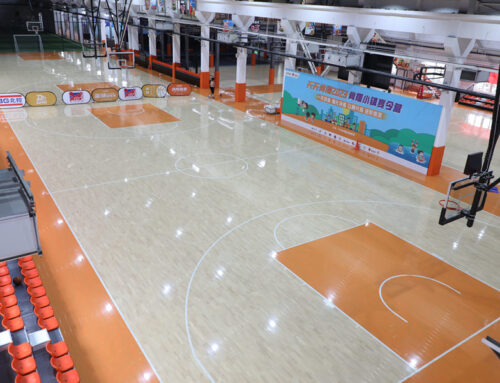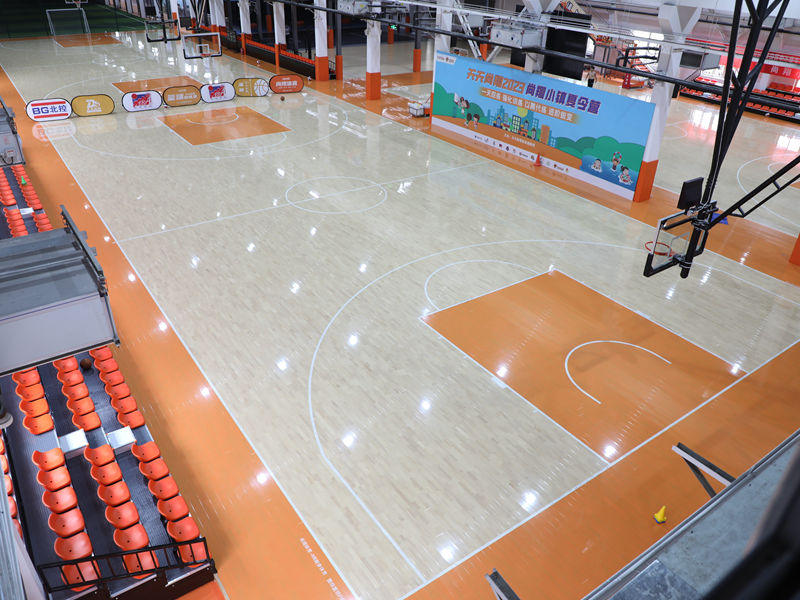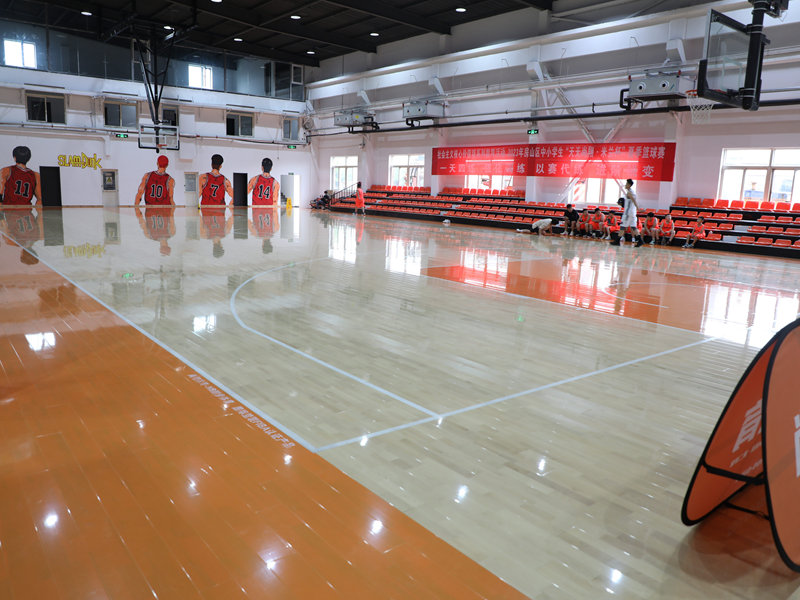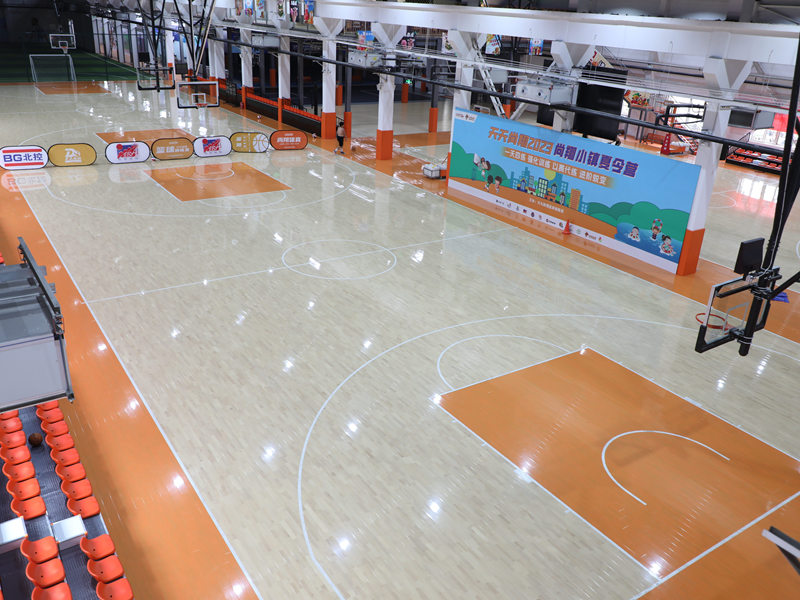
Beneath the visible patterns on today’s advanced sports wooden flooring lies a complex chemical landscape engineered specifically for athletic performance. The printing inks and coatings applied to modular flooring panels represent a sophisticated fusion of polymer science, nanotechnology, and sports engineering, creating surfaces that do much more than simply look attractive. Traditional wood finishes created a relatively passive barrier between the wood and the environment, but modern printed surfaces on sports wooden flooring are chemically active systems designed to interact in specific ways with athletes, equipment, and the surrounding environment. These chemical formulations begin with carefully selected resin systems that provide the structural backbone for the printed layer, offering just the right balance between hardness for durability and flexibility to accommodate wood movement.
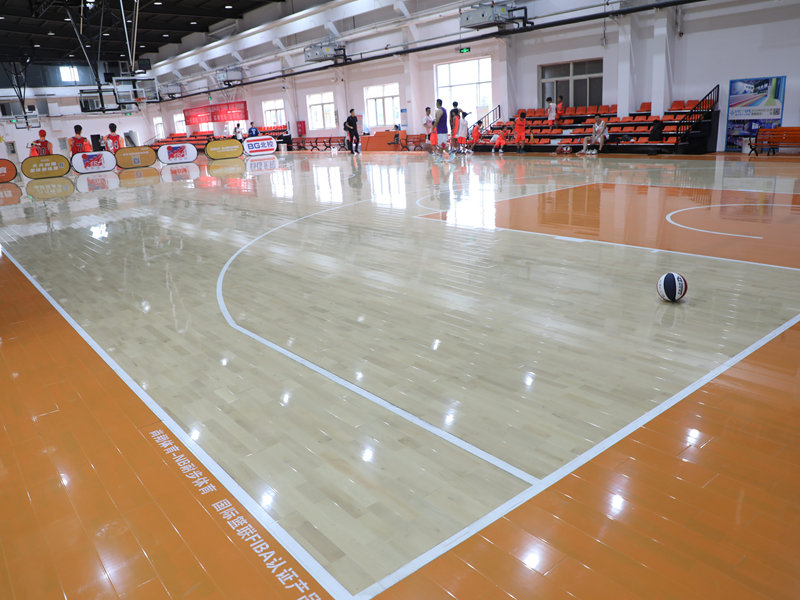
The chemical engineering extends to the pigments and additives suspended within these resin systems. Unlike conventional paints that use relatively simple pigment particles, printing inks for sports wooden flooring incorporate nano-scale additives that provide functional benefits beyond simple coloration. Some particles are engineered to enhance UV resistance, preventing the gradual color fading that traditionally occurred in facilities with significant natural light exposure. Others create microscopic surface structures that influence the interaction between athletic footwear and the floor, fine-tuning the coefficient of friction to optimal levels for different sports. The chemical composition can even include responsive elements that adjust surface properties based on temperature or humidity, creating sports wooden flooring that maintains consistent performance regardless of changing environmental conditions within the sports facility.
Curing chemistry represents another critical advancement in printed sports wooden flooring surfaces. Rather than relying on solvent evaporation alone, modern systems use photo-initiated chemical reactions triggered by precisely controlled ultraviolet light exposure. This curing process creates cross-linked polymer networks that are far more durable than traditional coatings, with molecular bonds that resist the mechanical abrasion from thousands of athletic movements. The chemistry is tuned to create a surface that is simultaneously hard enough to resist denting from dropped equipment yet elastic enough to provide the slight cushioning effect that helps reduce athlete fatigue and injury risk. This delicate balance of chemical properties is what separates high-performance printed sports wooden flooring from ordinary finished wood surfaces.
Perhaps most importantly, the chemical formulations used in modern printing processes for sports wooden flooring are developed with athlete safety and environmental responsibility as primary considerations. Volatile organic compounds have been virtually eliminated from the production process, replaced by water-based systems that maintain excellent performance while dramatically reducing environmental impact. The final cured surface is chemically inert and non-toxic, ensuring that even during intense athletic activity with close contact to the floor, athletes are not exposed to harmful substances. This chemical safety profile, combined with exceptional performance characteristics, represents how material science has elevated sports wooden flooring from a simple construction material to a sophisticated athletic interface system.