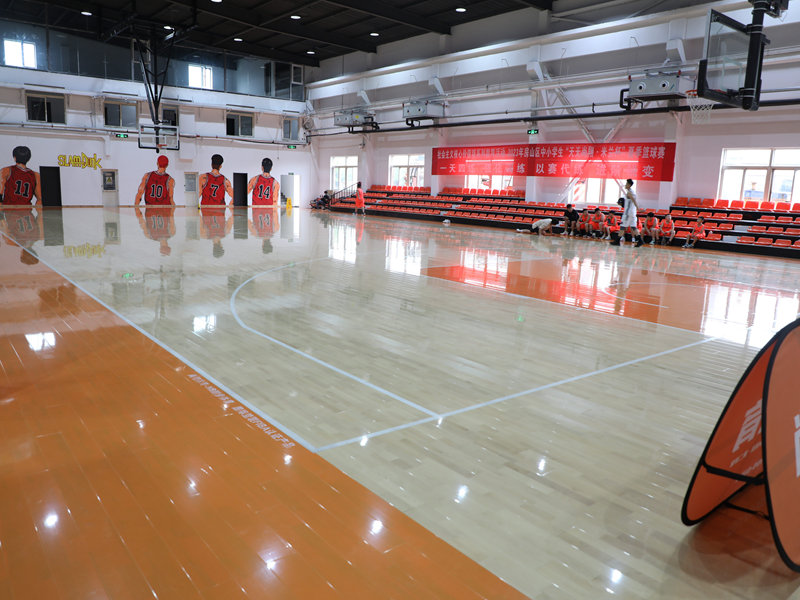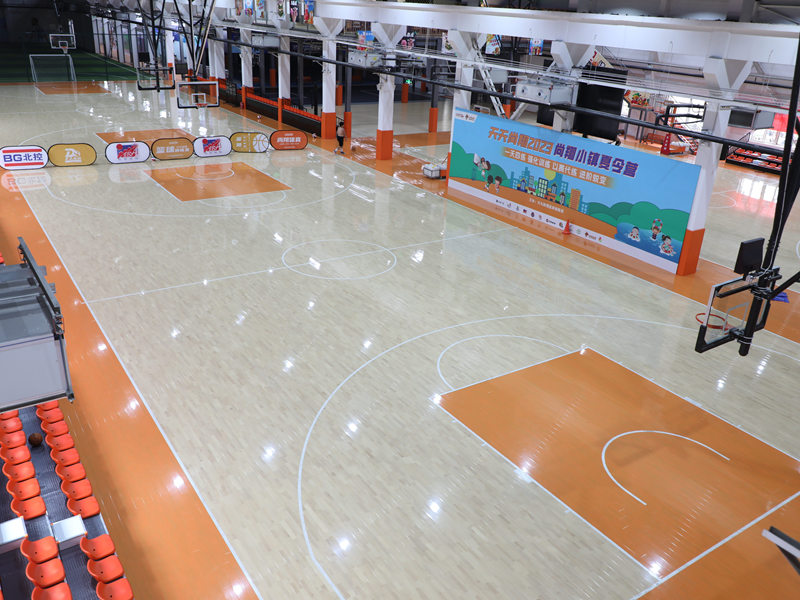
The integration of sophisticated printing technology into the production of modular sports wooden flooring has initiated a quiet revolution in athletic surface manufacturing. This transformation extends far beyond mere aesthetics, reaching into the fundamental engineering principles that define how performance surfaces are conceived, produced, and ultimately perform under competitive pressure. Traditional wood finishing for sports applications relied heavily on manual techniques and chemical treatments that introduced variability at nearly every stage of production. The shift toward digitally controlled printing processes has replaced this inconsistency with a new paradigm of precision manufacturing, where every square millimeter of the sports wooden flooring surface can be engineered to exact specifications before production even begins. This manufacturing revolution begins with digital design files that contain not just visual patterns but also embedded data about surface texture, friction coefficients, and material composition, all of which are translated directly onto the wood substrate through advanced printing systems.
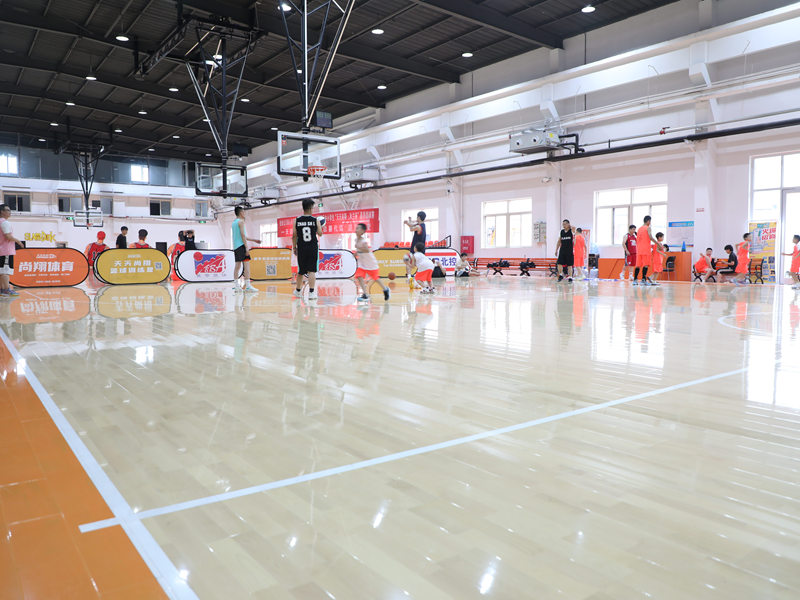
What distinguishes this revolution is the complete integration of design intent with manufacturing execution. In the past, beautiful renderings of sports wooden flooring concepts often degraded through multiple translation stages—from designer to craftsman, from specification to execution, from controlled factory conditions to variable on-site application. Modern printing technology collapses these translation layers, allowing the original digital design to manifest directly on the finished product without interpretation or approximation. This direct digital-to-physical translation ensures that the sports wooden flooring installed in a facility in one continent is functionally identical to flooring installed on another continent, assuming both originated from the same digital design file. Such consistency was previously unimaginable in an industry where natural material variations and human application techniques created noticeable differences even between batches produced in the same factory.
The manufacturing revolution extends to the very structure of the modular panels themselves. Printing technology now allows for the application of functional layers in precise patterns that correspond to the mechanical stress distribution across a sports court. Areas that experience concentrated impact from basketball jumps or volleyball dives can receive printed reinforcement patterns that enhance durability without adding unnecessary weight or stiffness to the entire panel. This localized engineering creates sports wooden flooring that performs uniformly across its entire surface while being optimized for the specific wear patterns of different sports. The result is a product that lasts longer, performs more consistently, and requires less maintenance than anything produced through previous manufacturing methodologies, representing a fundamental shift in how we conceive of and produce athletic surfaces.