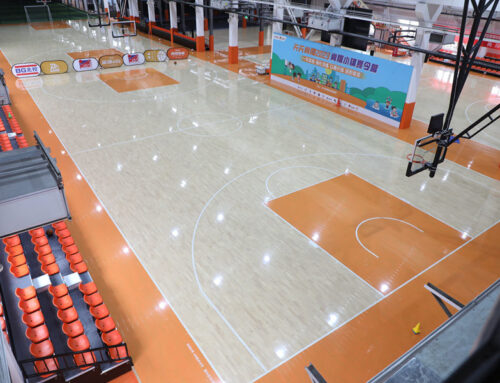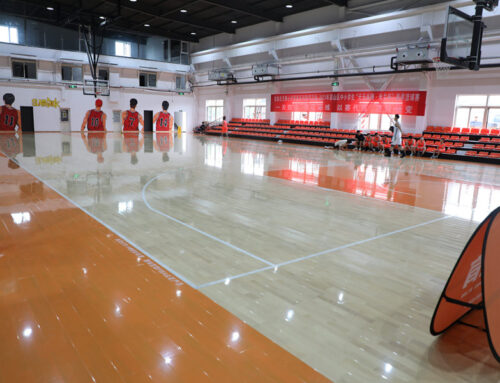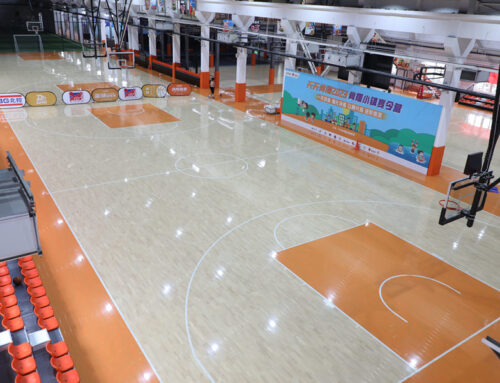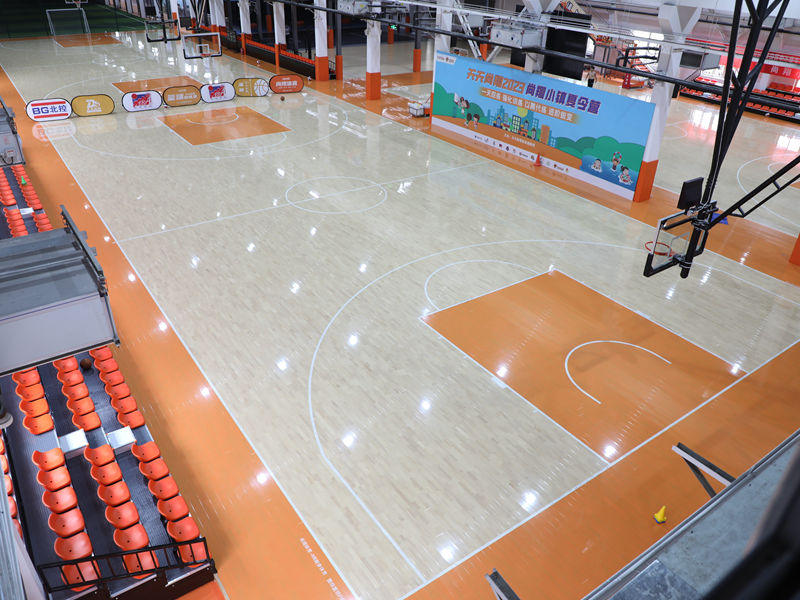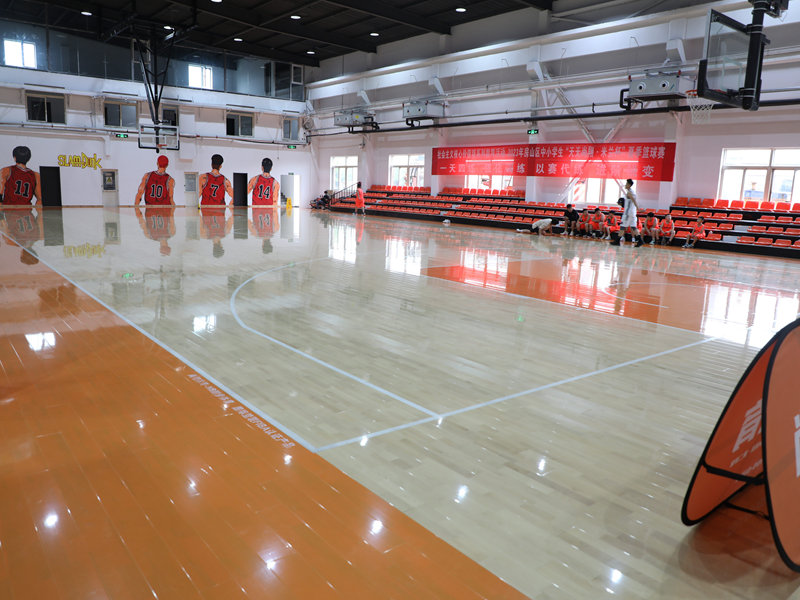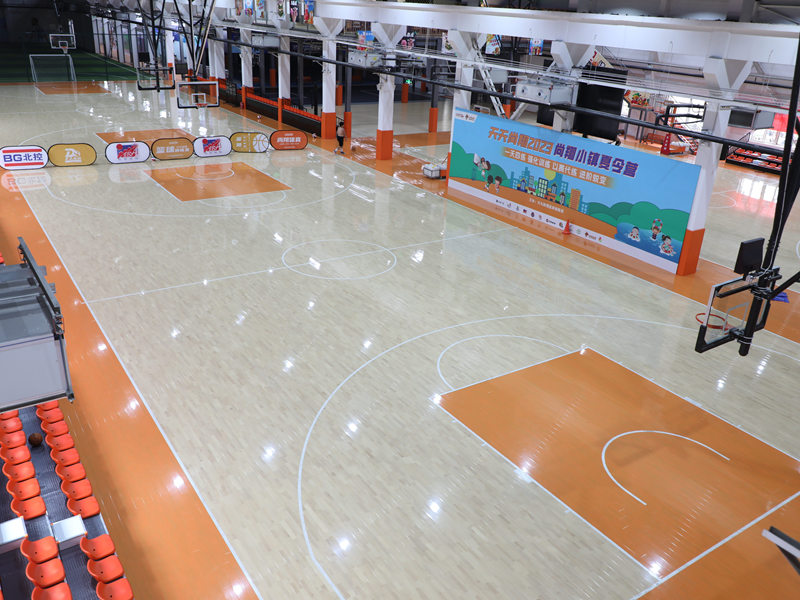
The acoustic properties of sports wooden flooring have emerged as a critical performance consideration, particularly in multi-use facilities where basketball games, concerts, and community events might share the same space. Traditional wood flooring offered limited options for acoustic control, with sound characteristics determined almost entirely by the natural properties of the wood species and the physical construction of the substructure. Modern printing technology applied to modular sports wooden flooring has changed this equation dramatically, allowing manufacturers to engineer specific acoustic responses directly into the printed surface layer. By controlling the density, thickness, and microscopic structure of the printed materials, acoustic engineers can now design floors that absorb, reflect, or diffuse sound in precisely calculated ways to optimize the auditory environment for different activities.
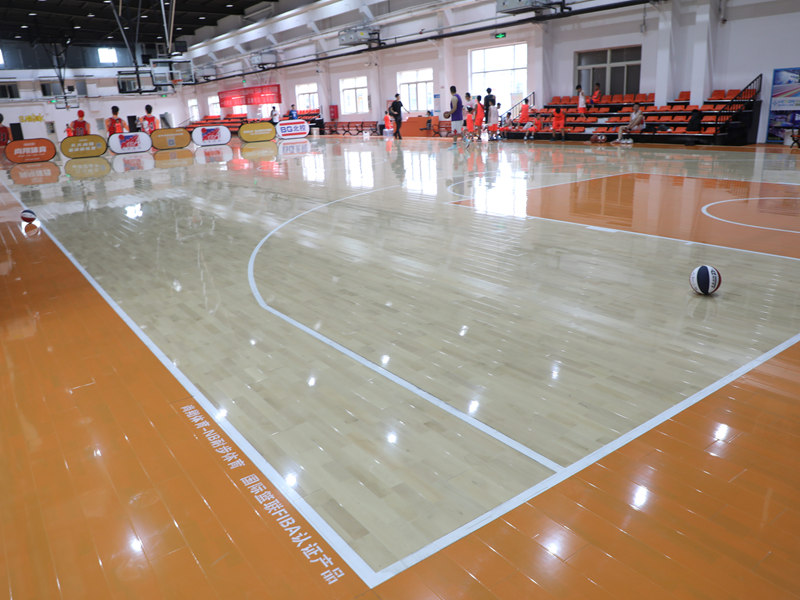
The acoustic engineering begins with an understanding of how sound interacts with the sports wooden flooring surface during different types of events. For basketball games, the ideal floor provides enough acoustic reflection to create the energetic crowd atmosphere that enhances the spectator experience, while damping the sharp impact sounds of shoes squeaking and balls bouncing to prevent auditory fatigue. For dance performances or musical events, the requirements shift toward sound absorption to prevent unwanted reflections that could interfere with the performance acoustics. Printed surface technology allows for the creation of variable acoustic zones within the same modular sports wooden flooring installation, with different printed formulations applied to different panels to create the optimal acoustic environment for each area of the facility.
Micro-perforation technology integrated into the printing process represents one of the most innovative approaches to acoustic control in sports wooden flooring. Using specialized printing heads, manufacturers can create microscopic perforations in the surface layer that act as Helmholtz resonators, absorbing specific frequency ranges that are problematic in sports facilities. These perforations are small enough to be virtually invisible to the naked eye and do not affect the playing characteristics of the surface, yet they significantly reduce the buildup of certain sound frequencies that can create harsh, echoing environments. When combined with printed surface textures that diffuse sound waves rather than reflecting them directly, the result is a sports wooden flooring system that actively shapes the acoustic character of the entire venue.
The acoustic benefits extend beyond audience experience to athlete performance and safety. Well-designed acoustic environments help athletes communicate more effectively during team sports, with clearer voice transmission across the court and reduced background noise that can interfere with concentration. The sound of an athlete’s movement across the floor can also provide valuable feedback about their technique—the distinctive sound of proper footwork versus sliding or improper weight distribution. By engineering the acoustic response of the sports wooden flooring, manufacturers can enhance these auditory cues that athletes subconsciously use to monitor their performance. This intersection of printing technology and acoustic engineering represents how modern sports surfaces are being designed as complete environmental systems rather than merely as passive playing platforms.