Introduction
As basketball continues to evolve, so too do the flooring solutions that support it. Synthetic flooring has emerged as a modern alternative to traditional maple hardwood, offering a range of benefits that cater to the needs of contemporary basketball facilities. This article explores the characteristics, advantages, and considerations of synthetic flooring for basketball courts.

Characteristics of Synthetic Flooring
Synthetic flooring is typically made from materials such as polyurethane, vinyl, or rubber, which are engineered to provide specific performance characteristics. These materials can be customized to meet the unique requirements of basketball courts, including shock absorption, slip resistance, and durability.
Advantages of Synthetic Flooring
- Durability: Synthetic flooring is highly durable and resistant to scratches, scuffs, and wear. It can withstand the rigors of intense basketball games without showing signs of damage, ensuring a long lifespan for the court.
- Shock Absorption: Many synthetic flooring options incorporate advanced shock absorption systems, such as rubber underlays or foam layers, to distribute impact forces evenly across the surface. This reduces the risk of injuries and enhances player comfort, allowing them to perform at their best for extended periods.
- Slip Resistance: Synthetic flooring can be engineered to provide excellent slip resistance, preventing slips and falls during quick movements and changes in direction. This is crucial for player safety, especially in high-intensity games.
- Ease of Maintenance: Synthetic flooring is generally easier to maintain than traditional hardwood. It requires less frequent refinishing and is more resistant to moisture damage, making it ideal for facilities with high traffic or varying environmental conditions.
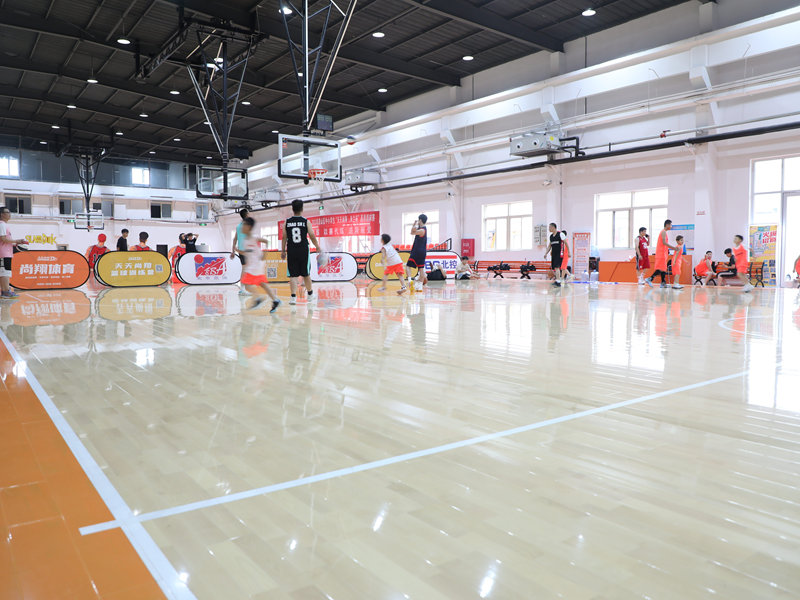
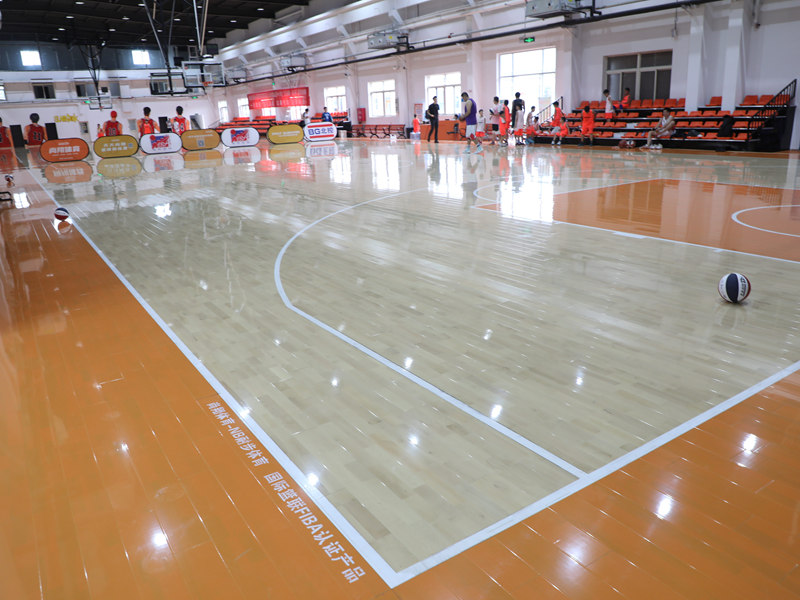
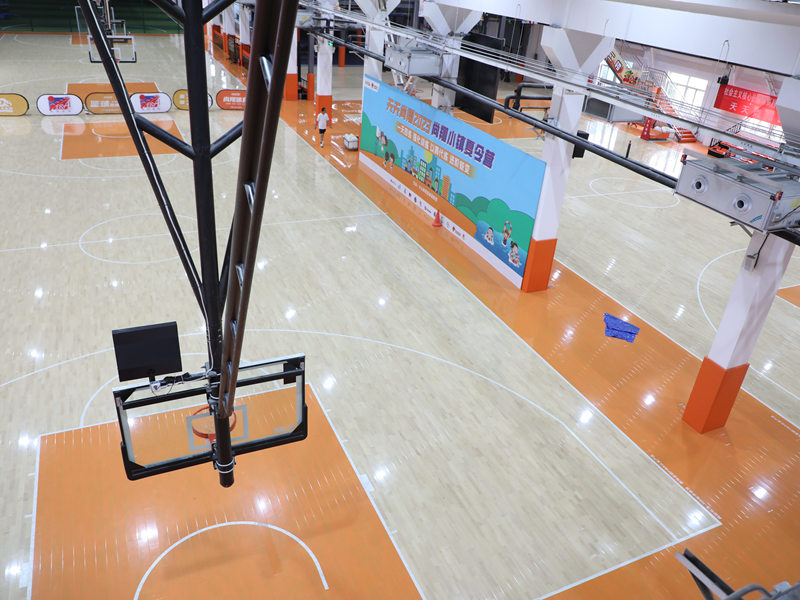
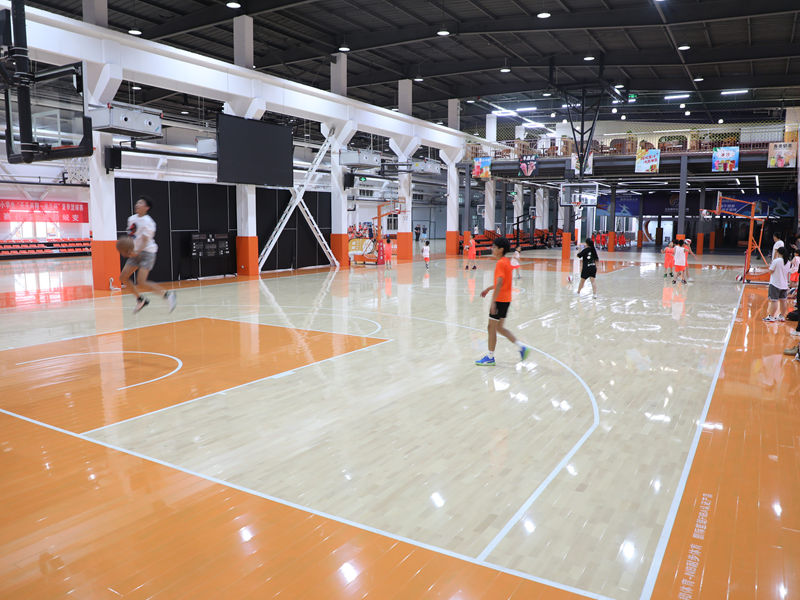
- Customization Options: Synthetic flooring offers a wide range of customization options, including colors, patterns, and logos. This allows facilities to create unique and visually appealing basketball courts that reflect their brand identity.
Considerations for Synthetic Flooring
While synthetic flooring offers numerous advantages, there are also some considerations to keep in mind:
- Cost: Synthetic flooring can be more expensive than traditional hardwood, especially when considering the initial installation costs. However, its durability and ease of maintenance may offset these costs over time.
- Performance Variability: The performance of synthetic flooring can vary depending on the manufacturer and specific product. It’s important to choose a reputable brand and product that has been tested and proven to meet the performance requirements of basketball courts.
- Environmental Impact: Some synthetic flooring materials may have a higher environmental impact than traditional hardwood. Facilities should consider the sustainability of the materials used and look for eco-friendly options when possible.
Conclusion
Synthetic flooring has emerged as a modern alternative to traditional maple hardwood for basketball courts, offering a range of benefits that cater to the needs of contemporary facilities. Its durability, shock absorption, slip resistance, ease of maintenance, and customization options make it an attractive choice for many basketball facilities. However, it’s important to consider the cost, performance variability, and environmental impact when choosing synthetic flooring for a basketball court.