Introduction
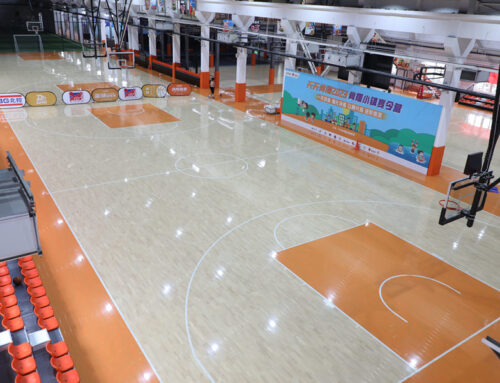
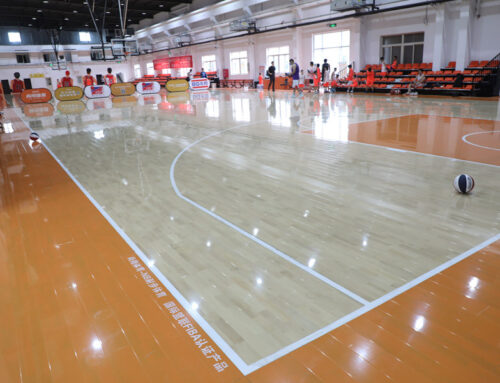
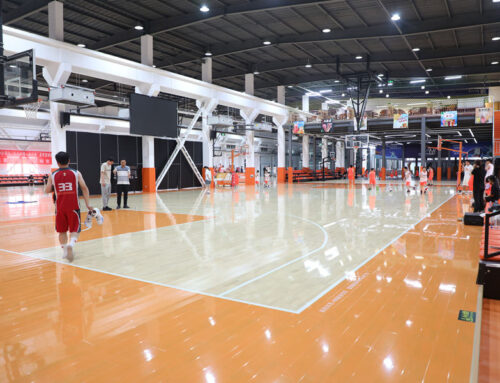
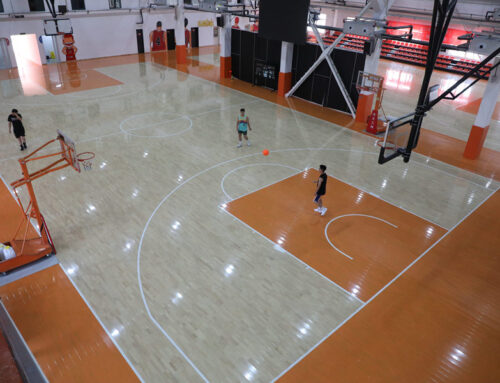
Maple hardwood has long been the preferred choice for indoor basketball court flooring, revered for its durability, resilience, and natural beauty. This article explores the characteristics, benefits, and maintenance requirements of maple hardwood flooring, highlighting why it remains a timeless classic in the world of basketball.
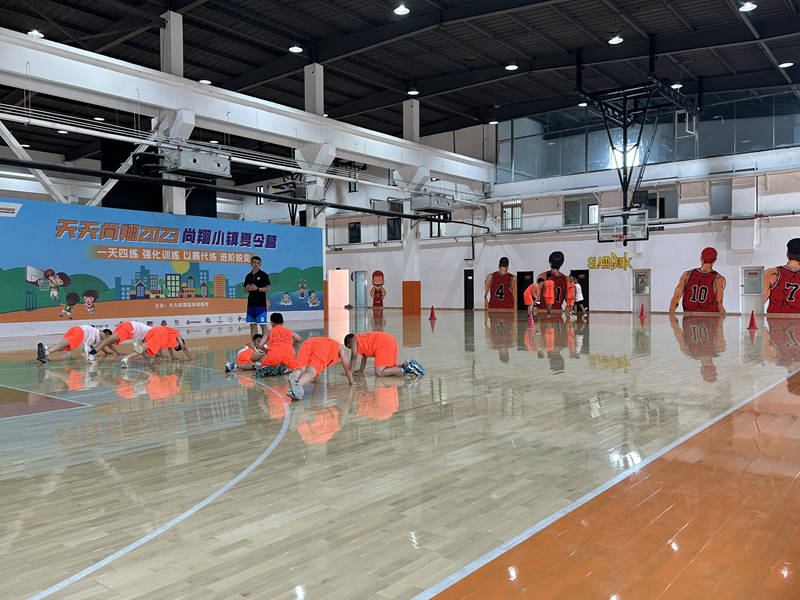
Characteristics of Maple Hardwood
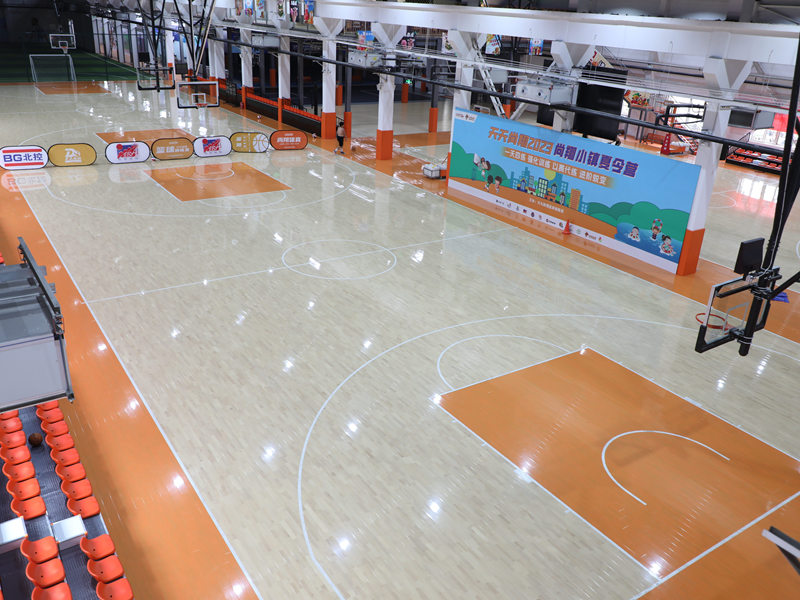
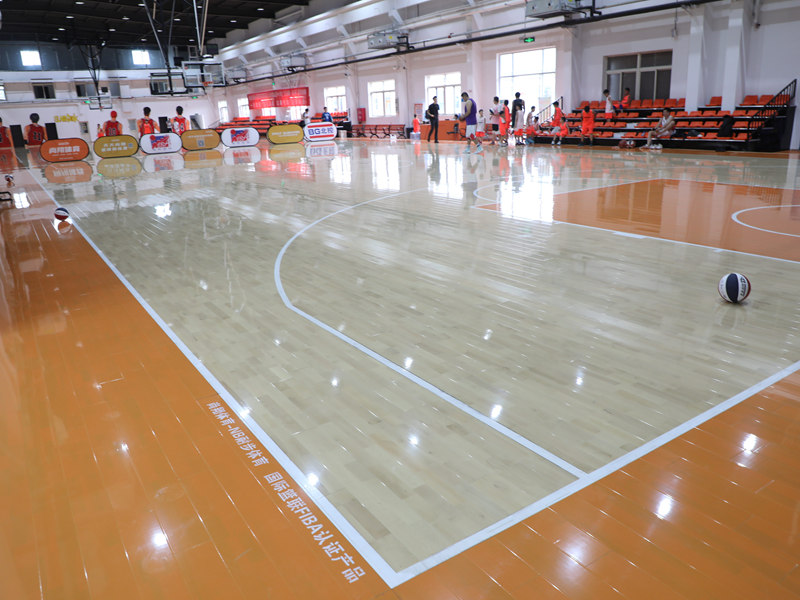
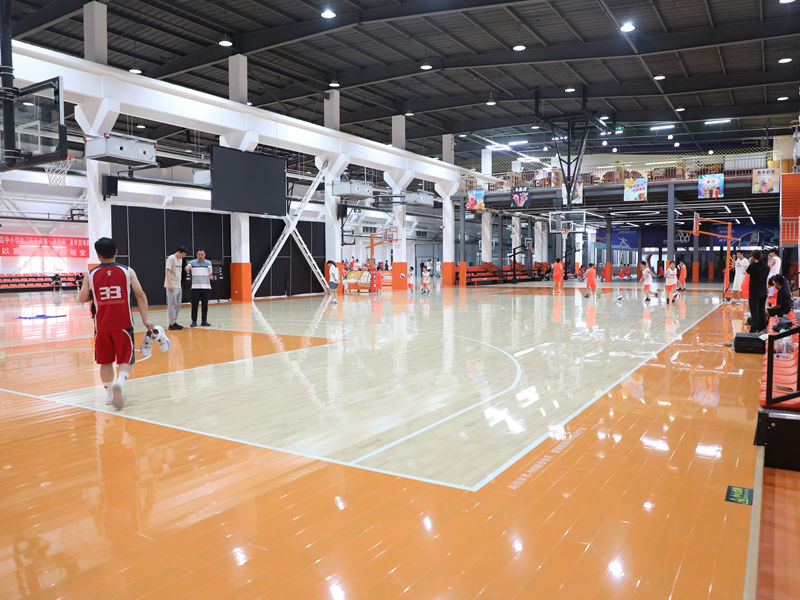
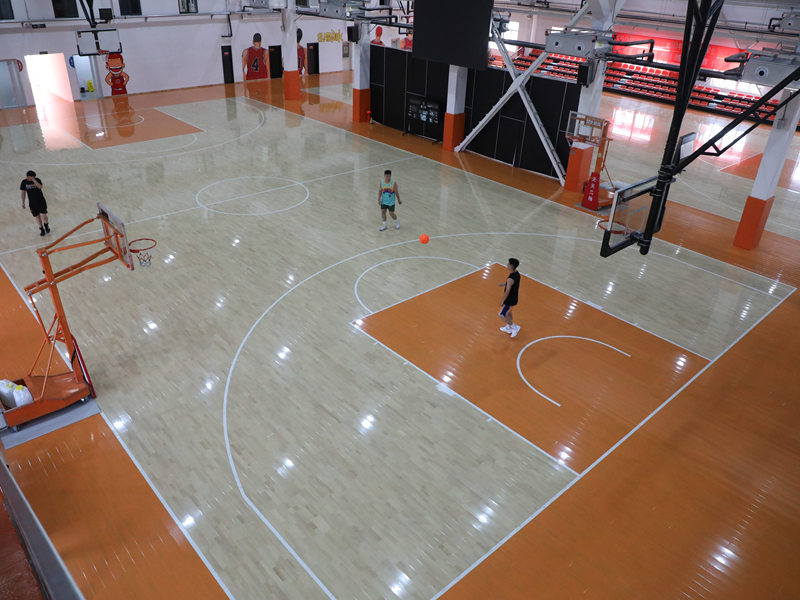
Maple hardwood is known for its exceptional hardness and density, making it highly resistant to wear and tear. Its tight grain structure provides a smooth, consistent surface that enhances ball bounce and player movement. Additionally, maple’s natural luster and warm tones create an inviting atmosphere that enhances the overall aesthetic of the basketball court.
Benefits of Maple Hardwood Flooring
- Durability: Maple hardwood is incredibly durable, capable of withstanding the rigors of intense basketball games without showing signs of wear. Its hardness and density make it resistant to scratches, dents, and gouges, ensuring a long lifespan for the court.
- Shock Absorption: The dense grain structure of maple hardwood provides excellent shock absorption, reducing the impact on players’ joints during jumps and landings. This helps to minimize fatigue and injury risk, allowing players to perform at their best for extended periods.
- Ball Bounce Consistency: Maple hardwood offers consistent ball bounce, crucial for fair play and accurate shooting. Its smooth surface ensures that the ball reacts predictably, enhancing the flow of the game and allowing players to develop their skills more effectively.
- Aesthetic Appeal: The natural beauty of maple hardwood adds to the overall aesthetic appeal of the basketball court. Its warm tones and luster create a welcoming atmosphere that enhances the player and spectator experience.
Maintenance Requirements
While maple hardwood flooring is highly durable, it requires regular maintenance to keep it in optimal condition. This includes:
- Cleaning: Regular sweeping and mopping are essential to remove dirt, dust, and debris from the surface of the court. Avoid using harsh chemicals or abrasive cleaners that can damage the finish.
- Refinishing: Over time, the finish on maple hardwood flooring may become worn or scratched. Refinishing the court involves sanding down the surface and applying a new coat of finish to restore its appearance and performance characteristics.
- Moisture Control: Maple hardwood is susceptible to moisture damage, so it’s important to maintain proper humidity levels in the facility. Use dehumidifiers or humidifiers as needed to keep the air at an optimal level for the flooring.
Conclusion
Maple hardwood remains the timeless choice for indoor basketball court flooring due to its durability, shock absorption, ball bounce consistency, and aesthetic appeal. While it requires regular maintenance to keep it in optimal condition, the benefits of maple hardwood far outweigh the effort involved. For facilities looking to create a high-quality basketball court that will stand the test of time, maple hardwood is an excellent choice.