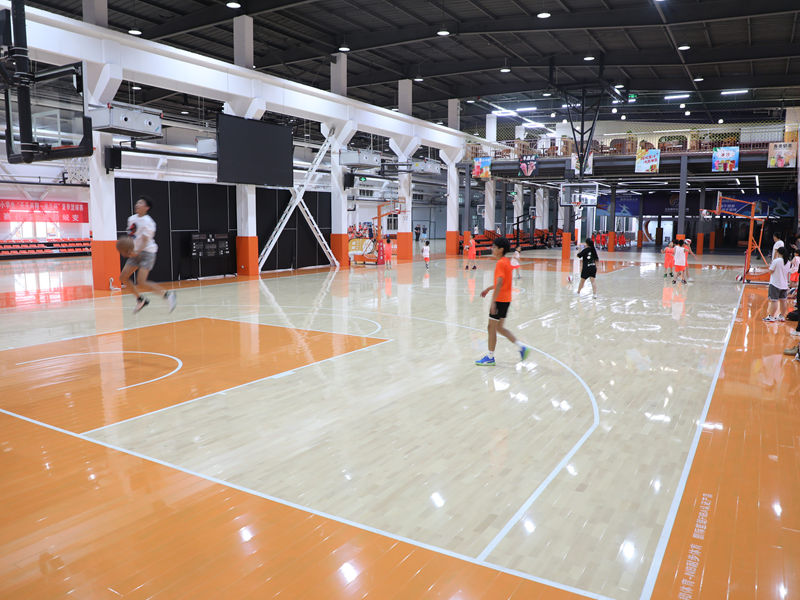
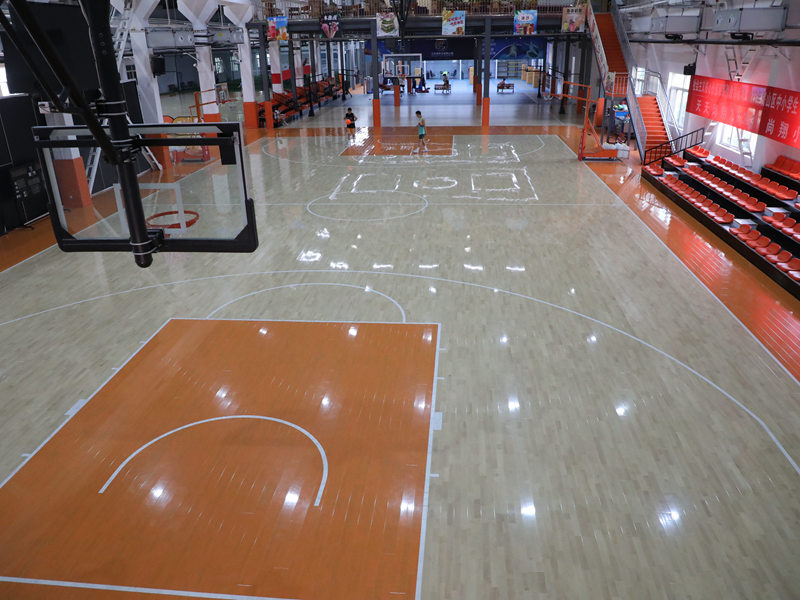
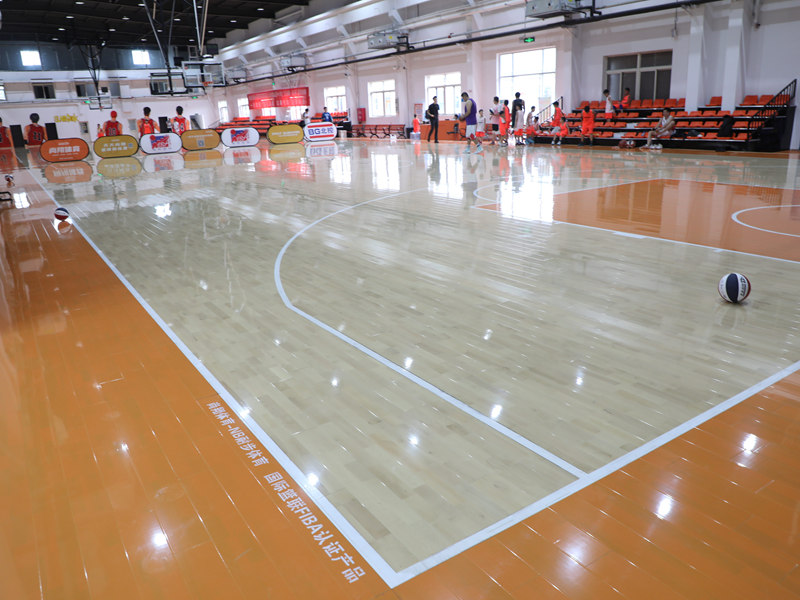
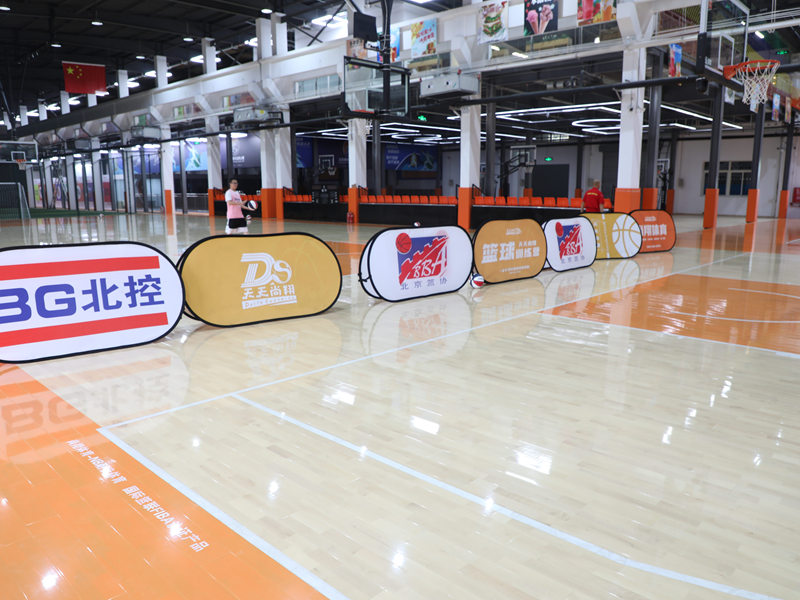
Keeping indoor basketball court wooden flooring in perfect playing condition for 30, 40, or even 50 years does not require complicated, expensive daily work—it only needs a consistent, simple set of regular maintenance habits that protect the surface from unnecessary wear and prevent small issues from turning into major, costly problems. The most basic and most important daily maintenance step is also the simplest: every time the facility finishes hosting games or practices, the entire surface should be swept completely with a clean, dry microfiber mop. This removes all the loose dust, dirt, and tiny grit particles that get tracked onto the floor on the soles of basketball shoes throughout the day. If this grit is left on the surface, it acts like fine sandpaper, scratching away at the protective finish every time players run across it, gradually wearing down the finish far faster than normal play ever would. A quick, 10-minute sweep at the end of every day removes this abrasive grit, and it is the single most effective thing a facility can do to extend the life of their floor’s finish.

Beyond daily sweeping, indoor basketball court wooden flooring only needs a deeper damp mopping once or twice a week, using a pH-neutral, non-toxic cleaning solution that is specifically designed for finished wooden floors. Harsh chemical cleaners, all-purpose household cleaners, or even too much plain water can damage the protective finish, leaving it dull, sticky, or slippery, so it is critical to only use gentle, floor-safe cleaning products applied with a well-wrung mop that is damp, not soaking wet. All spills—from water bottles, sports drinks, or food—should be wiped up immediately the moment they happen, because even a small amount of liquid left sitting on the wood for an hour or two can leave a permanent stain or seep through tiny gaps in the finish to damage the wood underneath. Facility staff should also check the surface of the floor every day for any small bits of broken glass, loose hardware, or sharp debris that could scratch the finish or cut a player, removing these hazards before anyone steps onto the court to play.
There are also small, simple preventative steps that facilities can take to protect their indoor basketball court wooden flooring from unnecessary damage. Large, heavy gym equipment like bleachers, scoreboards, or portable hoops should never be dragged directly across the surface—they should always be lifted and carried, or placed on soft, non-abrasive rubber dollies that roll smoothly without scratching the finish. Wide, heavy-duty entrance mats should be placed at every single door that leads into the court space, to catch dirt, mud, snow, and moisture from the soles of shoes before people ever step onto the wooden floor. Over the course of years, these small, consistent habits add up to make a massive difference: a floor that is cared for with this simple routine can easily go 12 to 15 years before it needs its first professional sanding and refinishing, while a floor that gets no regular basic maintenance might need to be refinished in half that time. These small daily efforts do not just save facilities money—they ensure that the wooden basketball floor stays safe, smooth, and beautiful for generations of players to enjoy.