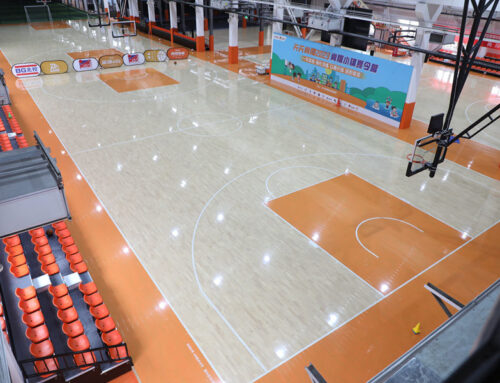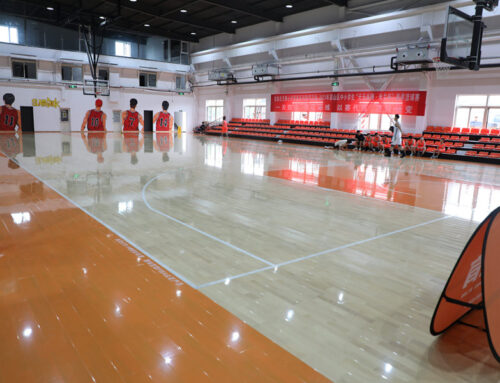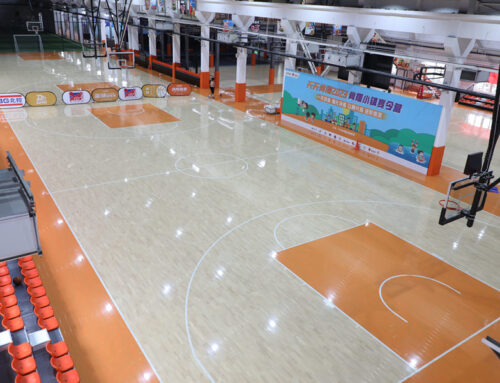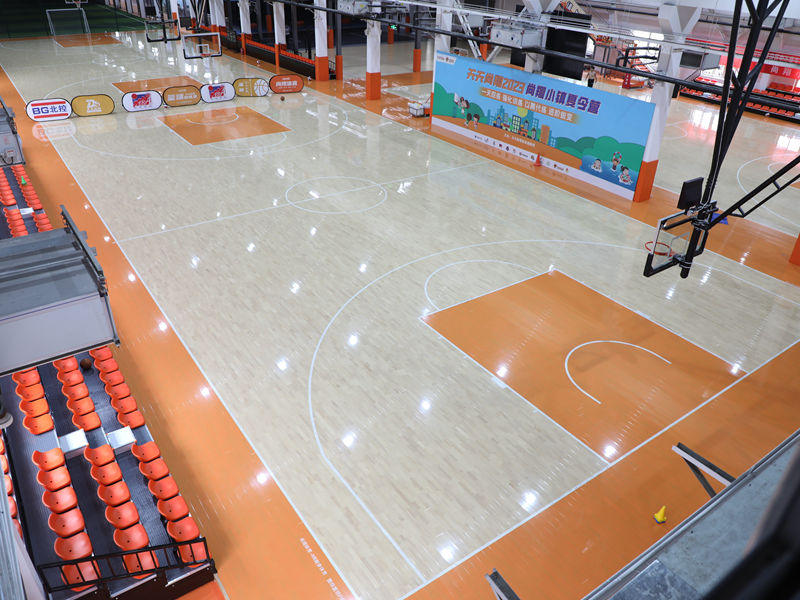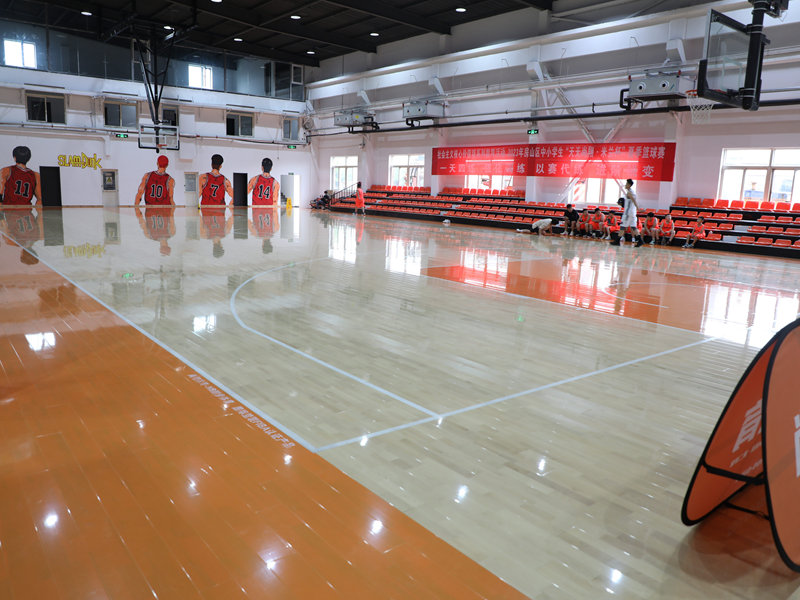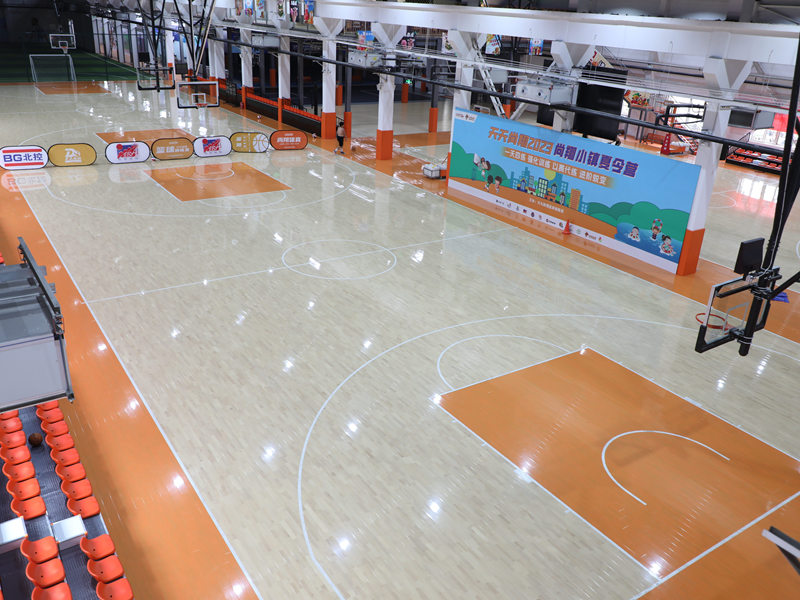
The finish is the final layer of protection on a sports wooden floor, and it plays a critical role in performance, aesthetics, durability, and safety. Choosing the right finish is just as important as choosing the right wood species. In this article, we explore the different types of finishes and coatings used on indoor sports wooden flooring.
Why the Finish Matters
The finish on a sports wooden floor serves multiple purposes:
- Protection: Shields the wood from moisture, scratches, and wear
- Performance: Affects ball bounce, traction, and shock absorption
- Aesthetics: Determines the look (matte, semi-gloss, or gloss)
- Safety: Influences slip resistance and chemical emissions
- Maintenance: Affects how easy the floor is to clean and maintain
Types of Finishes
1. Sports Lacquer (Polyurethane) — The Most Common
What It Is: A water-based or solvent-based polyurethane coating specifically formulated for sports floors.
Pros:
- Excellent durability and wear resistance
- Easy to repair (spot repairs possible)
- Wide range of gloss levels (matte to gloss)
- Meets all international sports federation standards
- Low VOC options available (50-150 g/L)
Cons:
- Requires 2-3 coats for full protection
- Takes 24-48 hours to cure between coats
- Can yellow over time (UV-cured versions don’t yellow)
Gloss Levels:
| Type | Gloss Units | Traction | Best For |
|---|---|---|---|
| Matte | 10-30 | High | Basketball, volleyball |
| Semi-Gloss | 30-60 | Medium | Multi-purpose |
| Gloss | 60-90+ | Lower | Badminton, dance |
Application: Applied with a high-quality applicator (mop), 2-3 coats, with 2-4 hours drying time between coats.
2. UV-Cured Finish — The Premium Option
What It Is: A finish that cures instantly under ultraviolet light, rather than air-drying over hours or days.
Pros:
- Extremely hard and durable (harder than polyurethane)
- Cures in seconds — no waiting between coats
- No yellowing (perfect clarity)
- Can be applied in a single pass
- Used in NBA arenas and top European facilities
Cons:
- More expensive (2−4/sqftvs.1-3/sq ft for polyurethane)
- Requires specialized UV curing equipment
- Difficult to repair (the entire floor must be recoated)
- Not suitable for all facility budgets
Application: Applied with a specialized UV coating machine, cured instantly under UV lamps.
3. Oil Finish — The Natural Option
What It Is: A penetrating oil (usually tung oil or linseed oil) that soaks into the wood rather than sitting on top.
Pros:
- Natural look and feel
- Enhances the wood’s natural beauty
- Easy to touch up
- Very low VOC emissions
Cons:
- Less durable than lacquer or UV finishes
- Requires more frequent maintenance (re-oiling every 6-12 months)
- Not suitable for high-traffic professional facilities
- Can be slippery when wet
Best For: Training facilities, boutique gyms, and facilities that prioritize natural aesthetics over performance.
4. Wax Finish — The Traditional Option
What It Is: A floor wax applied to the surface for protection and shine.
Pros:
- Easy to apply
- Inexpensive
- Can be buffed to high gloss
Cons:
- Very low durability (needs re-waxing weekly in high-traffic areas)
- Slippery when freshly waxed
- Not used in professional sports facilities
Best For: Historical restoration, not modern sports facilities.
5. Penetrating Hardwax Oil — The Hybrid Option
What It Is: A combination of oil and wax that penetrates the wood and leaves a protective layer on the surface.
Pros:
- Natural look with better durability than pure oil
- Easy to maintain (re-coat annually)
- Good traction
- Low VOC
Cons:
- Not as durable as lacquer or UV finishes
- Requires annual maintenance
Best For: Multi-purpose community facilities, yoga studios, and dance studios.
Finish Comparison Table
| Feature | Sports Lacquer | UV-Cured | Oil | Wax | Hardwax Oil |
|---|---|---|---|---|---|
| Durability | ★★★★★ | ★★★★★ | ★★★☆☆ | ★★☆☆☆ | ★★★★☆ |
| Traction | ★★★★☆ | ★★★★☆ | ★★★☆☆ | ★★☆☆☆ | ★★★★☆ |
| Aesthetics | ★★★★☆ | ★★★★★ | ★★★★★ | ★★★☆☆ | ★★★★★ |
| Maintenance | Low | Very Low | High | Very High | Medium |
| VOC Emissions | Low | Very Low | Very Low | Low | Very Low |
| Cost | $$ | $$$ | $ | $ | $$ |
| Professional Use | Yes | Yes | Rarely | No | Occasionally |
Specialty Coatings
Antimicrobial Coating
- Kills bacteria and mold on contact
- Applied as a topcoat over the finish
- Increasingly popular post-COVID
Anti-Slip Additive
- Mixed into the finish to increase traction
- Used in areas with high slip risk (near entrances, wet areas)
Conductive Coating
- Prevents static electricity buildup
- Used in facilities with electronic equipment
How to Choose the Right Finish
| Your Priority | Best Finish |
|---|---|
| Maximum durability | UV-Cured |
| Best value | Sports Lacquer (water-based) |
| Natural look | Oil or Hardwax Oil |
| Lowest VOC | Oil or Water-Based Lacquer |
| NBA-level performance | UV-Cured |
| School gym budget | Water-Based Sports Lacquer |
Application Tips
- Always apply in the direction of the wood grain for a uniform appearance.
- Thin coats are better than thick coats — multiple thin coats provide better protection than one thick coat.
- Maintain 65-75°F (18-24°C) and 40-60% humidity during application and curing.
- Allow full cure time (24-48 hours for lacquer, instant for UV) before use.
- Use professional applicators — DIY finish application often leads to uneven results.
Conclusion
The finish is the final piece of the puzzle in sports wooden flooring performance. Whether you choose a durable sports lacquer, a premium UV-cured finish, or a natural oil, the right finish will protect your floor, enhance performance, and extend its lifespan for decades.