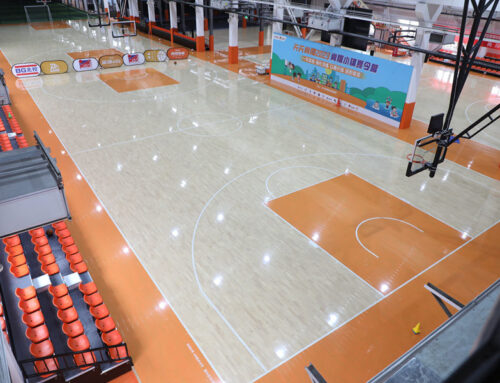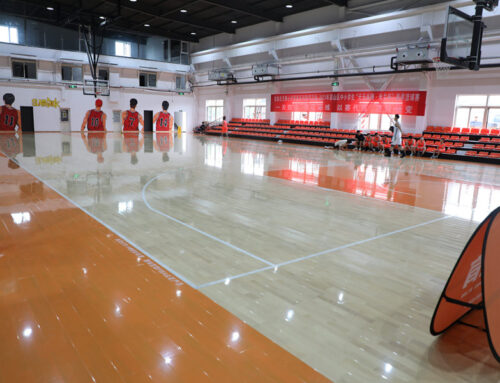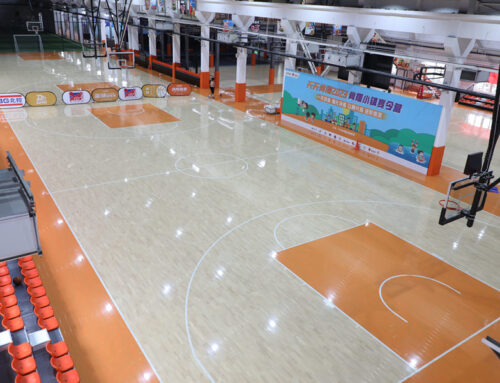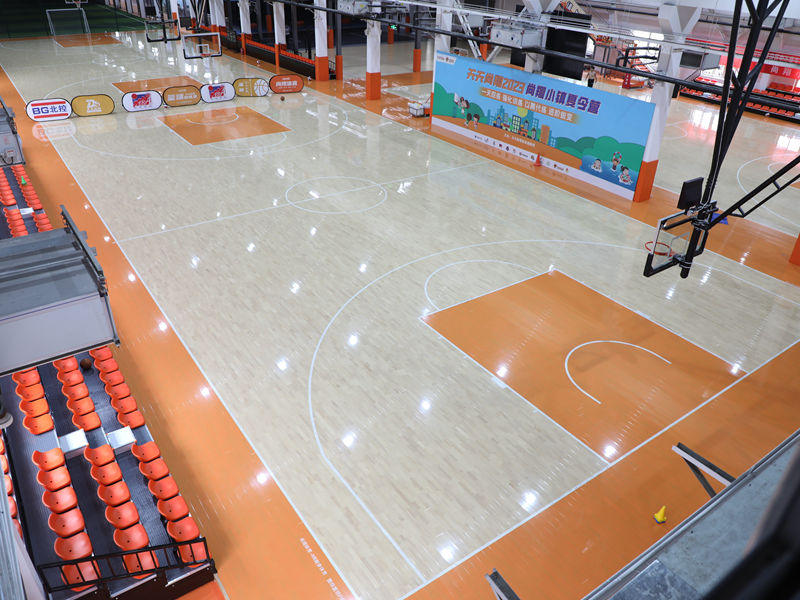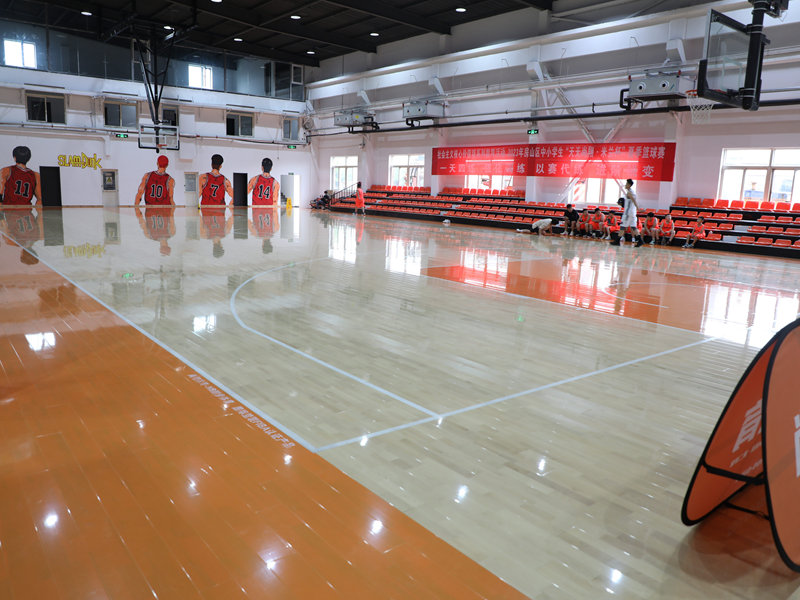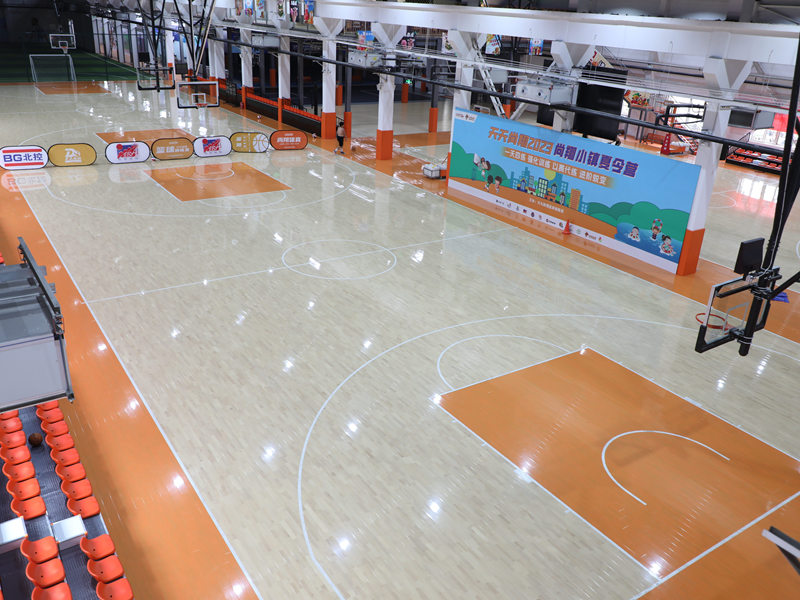
Indoor sports wooden flooring is surrounded by myths and misconceptions that can lead to poor purchasing decisions. In this article, we debunk the most common myths and separate fact from fiction.
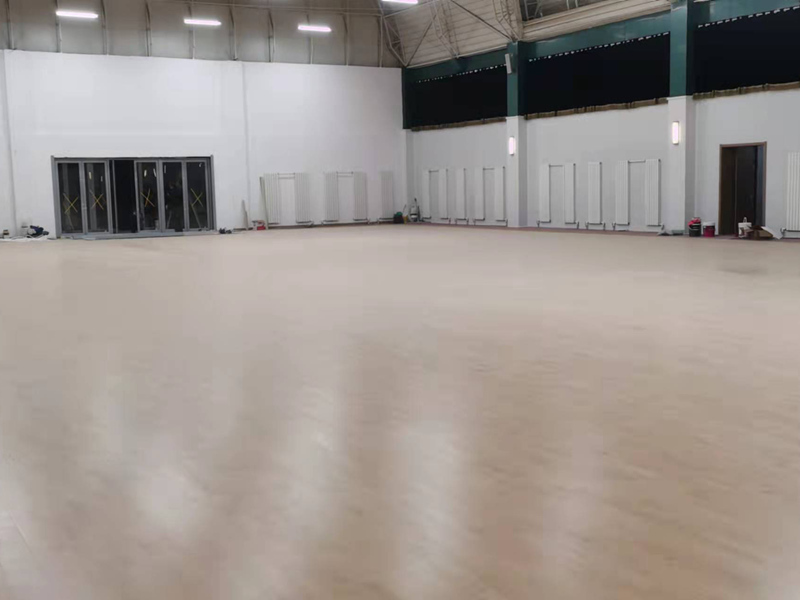
Myth 1: “Sports Wooden Floors Are Too Slippery”
Fact: This is perhaps the most persistent myth. Modern sports wooden floors are specifically engineered to provide optimal traction. The finish can be adjusted from matte (high traction) to gloss (lower traction) depending on the sport. A properly finished maple basketball floor provides excellent grip for athletic shoes.
The confusion comes from the fact that polished residential hardwood floors can be slippery. Sports floors use a different type of finish — sports lacquer — that provides a controlled level of traction.
Myth 2: “Wooden Floors Are Bad for Athletes’ Joints”
Fact: Actually, a properly installed sports wooden floor with the right underlayment provides excellent shock absorption (35-50%), which is comparable to or better than most synthetic floors. The key is the underlayment system, not the wood itself.
Studies have shown that athletes playing on properly installed sports wooden floors have lower rates of joint injuries than those playing on concrete or poorly installed floors.
Myth 3: “Synthetic Floors Are Cheaper in the Long Run”
Fact: While synthetic floors have a lower upfront cost, they need to be replaced every 8-15 years. A sports wooden floor can last 30-50+ years with periodic refinishing. Over a 30-year period, a wooden floor is often cheaper than replacing synthetic floors two or three times.
| 30-Year Cost | Sports Wood | PVC Synthetic |
|---|---|---|
| Installation | $300,000 | $120,000 |
| Replacements | $0 | $240,000 (2 replacements) |
| Maintenance | $150,000 | $60,000 |
| Total | $450,000 | $420,000 |
The costs are surprisingly similar, but the wooden floor provides vastly superior performance and aesthetics.
Myth 4: “Any Hardwood Can Be Used for Sports Flooring”
Fact: Not all hardwoods are suitable for sports flooring. The species must meet specific performance requirements for hardness, grain consistency, and dimensional stability. Maple is the gold standard because of its uniform grain and high hardness. Softwoods like pine or cedar are completely unsuitable.
Even among hardwoods, some species (like poplar or aspen) are too soft and will show wear quickly under athletic use.
Myth 5: “Sports Floors Require Too Much Maintenance”
Fact: Modern sports wooden floors require relatively simple maintenance:
- Daily: Sweep or dust mop (15 minutes)
- Weekly: Damp mop with pH-neutral cleaner (30 minutes)
- Monthly: Deep clean with low-speed buffer (1-2 hours)
- Every 3-7 years: Sand and refinish (2-5 days)
This is less maintenance than most synthetic floors, which require waxing, polishing, and eventual full replacement.
Myth 6: “Wooden Floors Can’t Be Used in Humid Climates”
Fact: Engineered sports wooden flooring is specifically designed to handle humidity fluctuations. The multi-layer construction minimizes expansion and contraction. With proper acclimatization and climate control (40-60% humidity), sports wooden floors perform excellently in any climate.
Many professional arenas in humid climates (like Miami and Houston) use sports wooden floors without issues.
Myth 7: “The Thicker the Floor, the Better”
Fact: Thickness alone doesn’t determine performance. A 22mm solid hardwood floor with poor underlayment will perform worse than a 14mm engineered floor with a high-quality foam underlayment. Performance depends on the entire system — the wood, the underlayment, the subfloor, and the installation method.
Myth 8: “All Sports Wooden Floors Are the Same”
Fact: There is enormous variation in quality:
| Factor | Low Quality | High Quality |
|---|---|---|
| Species | #2 Common Maple | Select Maple |
| Grain | Inconsistent, knots | Uniform, clear |
| Finish | 1 coat, low-quality | 3 coats, UV-cured |
| Underlayment | None or cheap foam | Custom-engineered |
| Installation | Rushed, poor prep | Precision-engineered |
| Performance | Barely meets minimum | Exceeds all standards |
Myth 9: “You Can’t Put a Wooden Floor Over Concrete”
Fact: Engineered sports wooden flooring is specifically designed for installation over concrete. With a proper moisture barrier and adhesive or floating system, engineered wood performs perfectly over concrete. Many professional arenas have concrete subfloors with sports wooden floors on top.
Myth 10: “Sports Floors Are Only for Professional Teams”
Fact: Sports wooden floors are used at every level, from NBA arenas to school gymnasiums to community recreation centers. With engineered systems and floating installations, sports wooden flooring is more accessible and affordable than ever. A school gym can have a professional-quality maple floor for a fraction of the cost of an NBA arena.
Conclusion
Don’t let myths guide your flooring decisions. Sports wooden flooring is a proven, high-performance, sustainable, and cost-effective option for any athletic facility. By understanding the facts, you can make an informed decision that benefits your athletes and your facility for decades.