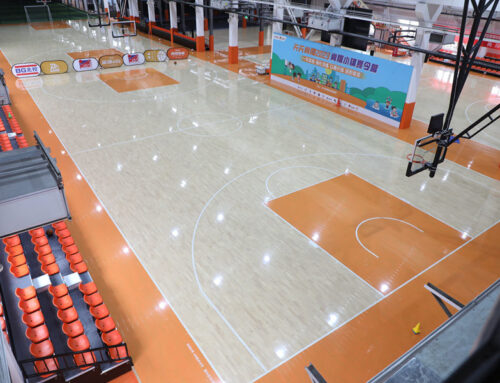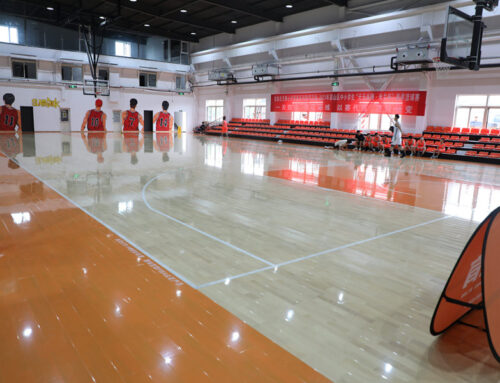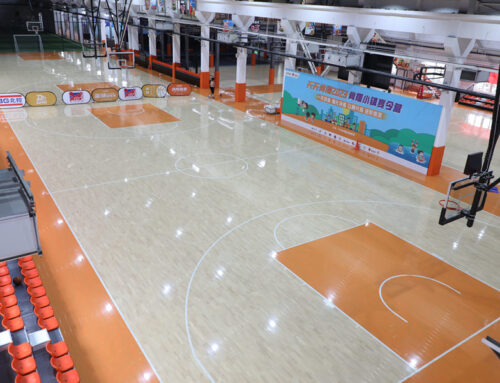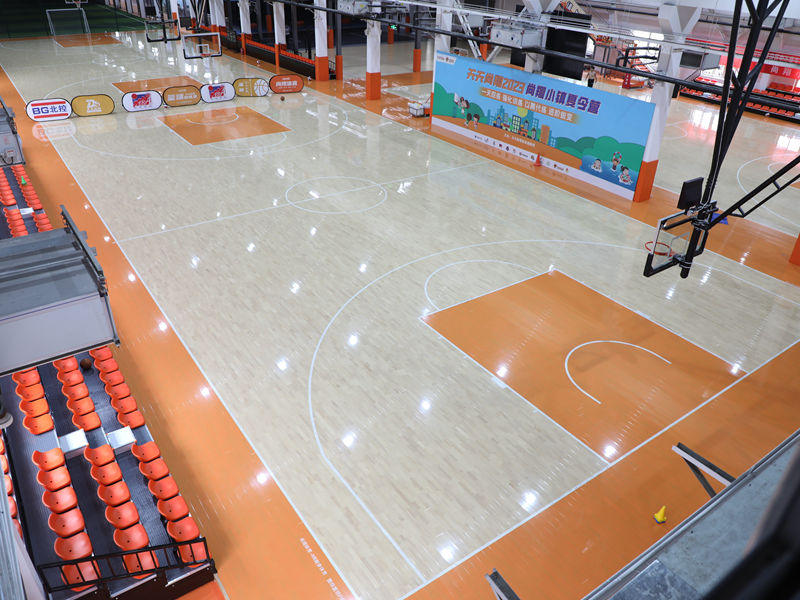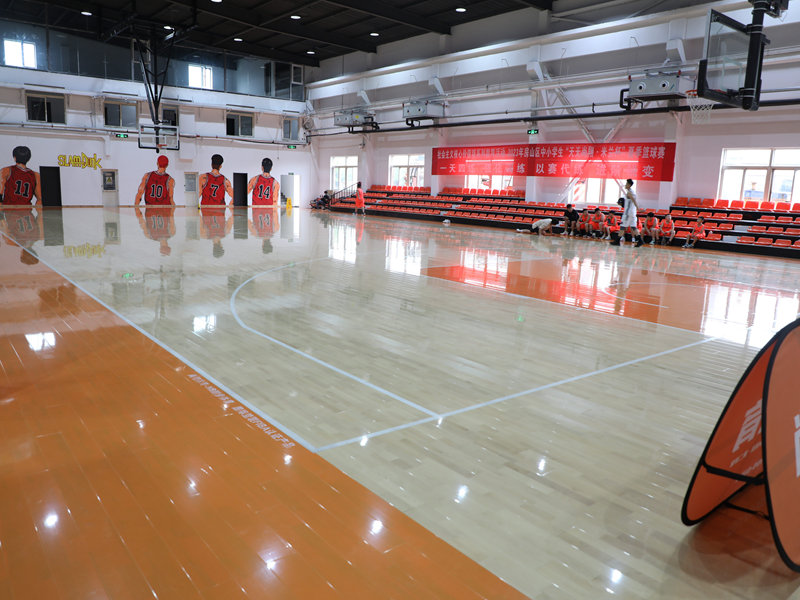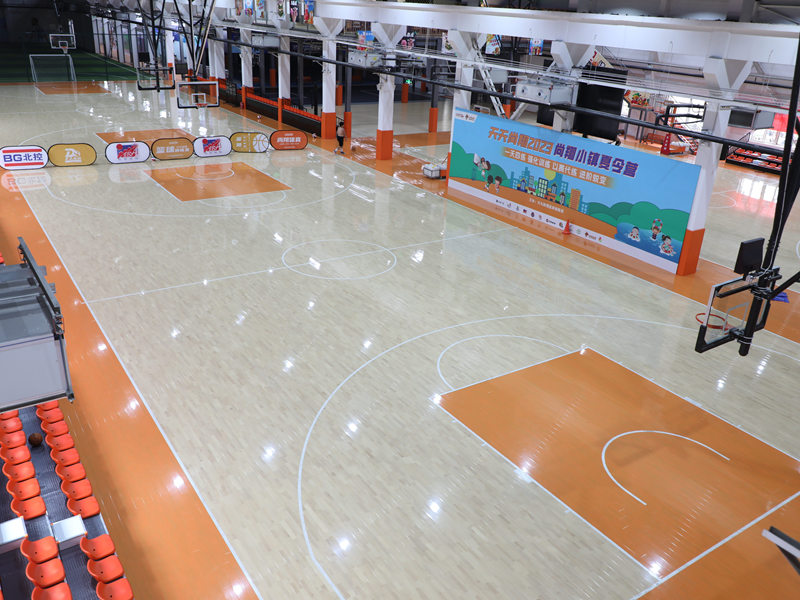
Indoor basketball court hardwood flooring is not a free-for-all. There are established standards and regulations that govern the design, installation, and performance of these floors. Understanding these standards is essential for facility managers, architects, and contractors.
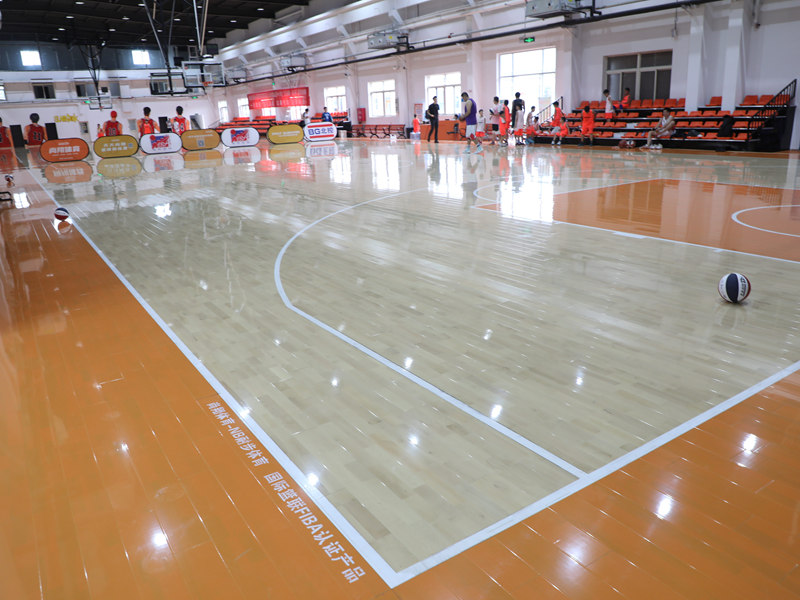
The most widely recognized standard in North America is set by the National Basketball Association for its arenas, and by the National Collegiate Athletic Association for its facilities. While these organizations do not publish a single, publicly available document that covers every detail, their specifications are well known in the industry and are used as the benchmark for most high-level facilities.
The key performance standards include ball bounce, which must be between 49 and 54 inches when a ball is dropped from 72 inches. Shock absorption must be between 35 and 53 percent. Vertical deformation must be between 2.3 and 4.0 millimeters. Surface friction must fall within a specified range to ensure adequate grip without excessive stickiness. Rotational resistance must be sufficient to prevent foot slip during pivots.
The International Basketball Federation, or FIBA, has its own set of standards that are used internationally. FIBA standards are very similar to NBA and NCAA standards, with minor variations in some metrics. Facilities that host international competitions must meet Flooring
The indoor basketball court hardwood floor has been remarkably consistent over the past century. Maple planks, polyurethane finish, shock absorption pads. The basic recipe has not changed much. But beneath the surface, innovation is accelerating. The future of basketball court hardwood is being shaped by advances in materials science, data analytics, and sustainability.
One of the most exciting developments is in engineered wood systems. Traditional hardwood planks are solid wood, which means they expand and contract with humidity changes. Engineered wood, by contrast, is constructed from multiple layers of wood with alternating grain directions. This cross-lamination makes the material far more dimensionally stable. Future basketball court floors may use fully engineered systems that are virtually immune to cupping, crowning, and gap formation.
Smart flooring is another frontier. Sensors embedded in the subfloor or the shock absorption layer can continuously monitor ball bounce, shock absorption, surface friction, and temperature. This data is transmitted to a central system that alerts facility managers when conditions drift out of spec. Instead of testing the floor periodically, managers will have real-time, continuous data. This will enable predictive maintenance, where problems are identified and addressed before they become visible.
Finish technology is also evolving. Nanotechnology is being used to create finishes that are harder, more durable, and more environmentally friendly than traditional polyurethane. Some researchers are developing self-healing finishes that can repair minor scratches and scuffs automatically. While these technologies are still in early stages, they could dramatically reduce maintenance costs and extend the life of the floor.
Sustainability will continue to drive innovation. As the demand for certified wood grows, forestry practices will become even more sustainable. New adhesive and fastening systems are being developed that use fewer chemicals and less energy. Recycled and bio-based shock absorption materials are becoming more common and more effective. The goal is a basketball court floor that has a net-zero or even negative carbon footprint.
Modular flooring systems are gaining traction. Instead of installing a permanent floor, some facilities are using modular panels that can be quickly replaced if damaged. This reduces downtime and waste. A damaged panel can be swapped out in hours rather than days, and the old panel can be recycled or repurposed.
The look of the floor may also change. While maple will likely remain the dominant species, new stain and tint technologies are making it possible to customize the color and appearance of the floor without affecting performance. Some facilities are experimenting with darker woods or even colored finishes, though these remain niche choices.
Virtual and augmented reality may also affect floor design. As basketball training increasingly incorporates technology, floors may need to accommodate sensors, cameras, and projection systems. Future hardwood floors may be designed with integrated technology in mind.
One thing is certain: basketball will continue to be played on hardwood. The connection between the sport and the material is too deep, too performant, and too beloved to be replaced. The future will bring better, smarter, and more sustainable hardwood floors, but the fundamental experience, the sound of the ball, the feel of the wood underfoot, will remain the same. And that is exactly as it should be.