Every purchasing decision should be evaluated through the lens of return on investment. Portable basketball court wood flooring is no exception. While the upfront cost can be significant, the ROI calculation often favors portable systems, especially for organizations with variable or multi-venue needs.
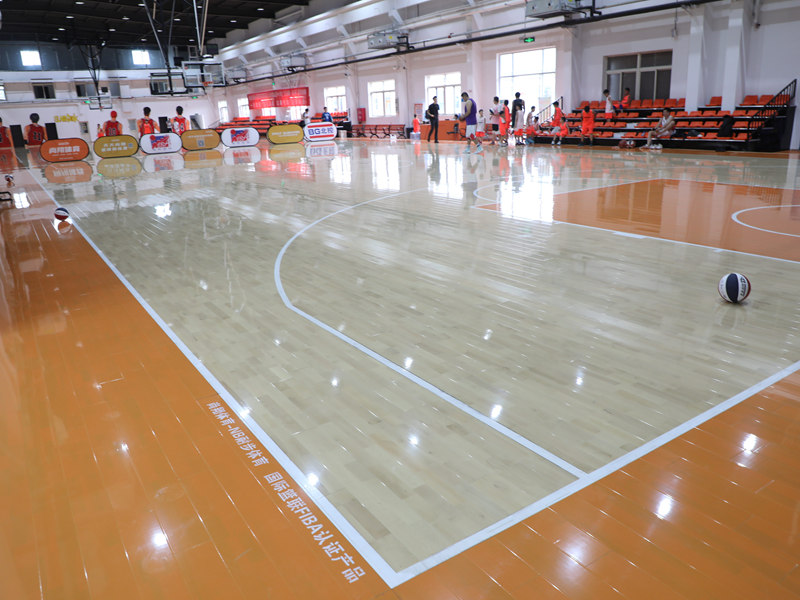
The basic ROI formula is simple: total value generated divided by total cost. For a portable basketball court, the value generated includes the revenue from court rentals, the value of improved athlete performance, the savings from not building permanent courts, and the intangible benefits of community engagement and brand visibility.
Let us look at a concrete example. A community center wants to offer basketball programs at three different locations. Building three permanent courts would cost approximately 150,000 dollars total, including construction, finish, and ongoing maintenance over ten years. A single portable court system costing 60,000 dollars can be rotated among the three locations, with installation and transportation costs of about 5,000 dollars per move. Over ten years, assuming two moves per year, the total cost is approximately 100,000 dollars. The savings are 50,000 dollars, or 33 percent.
For schools, the ROI calculation includes more than just cost savings. A portable court allows a school to host tournaments, community events, and after-school programs the cost over several years, improving cash flow and making the investment more accessible for organizations with limited budgets.
When all factors are considered, portable basketball court wood flooring delivers a strong return on investment for the majority of users. The key is to match the system to your usage pattern and maximize utilization.