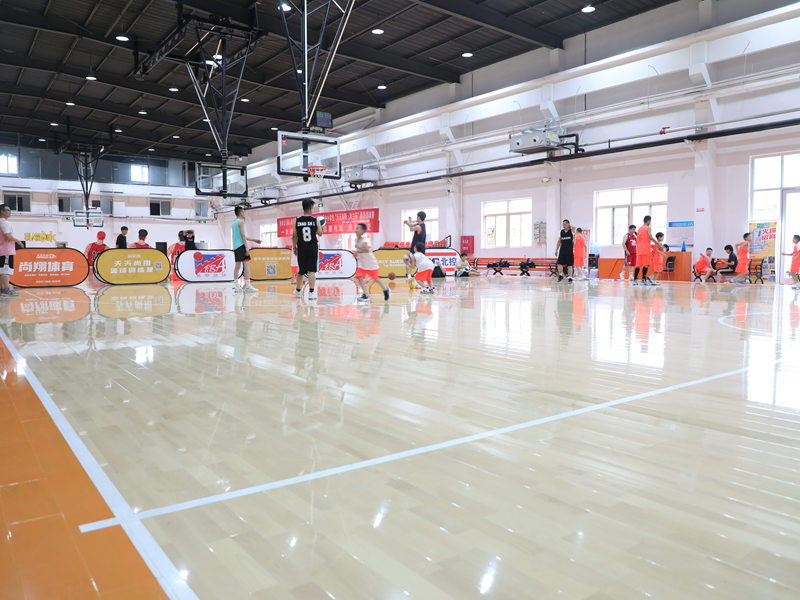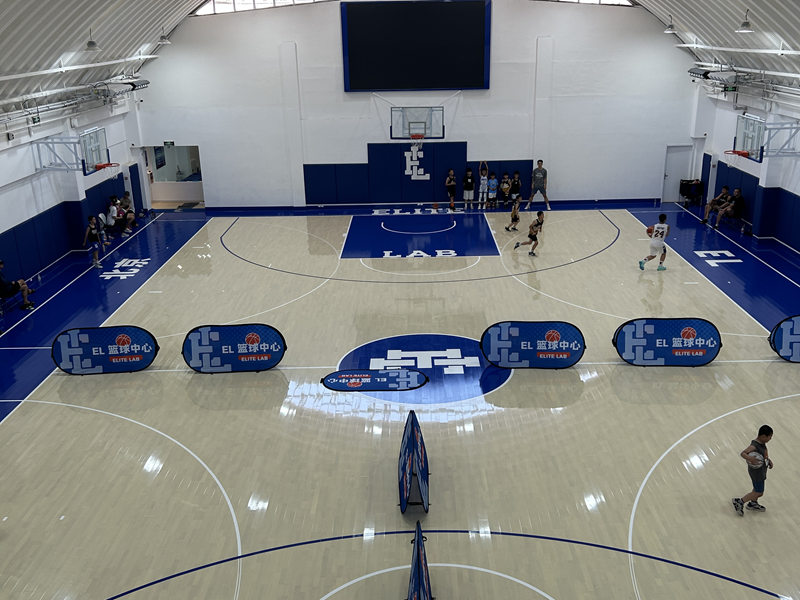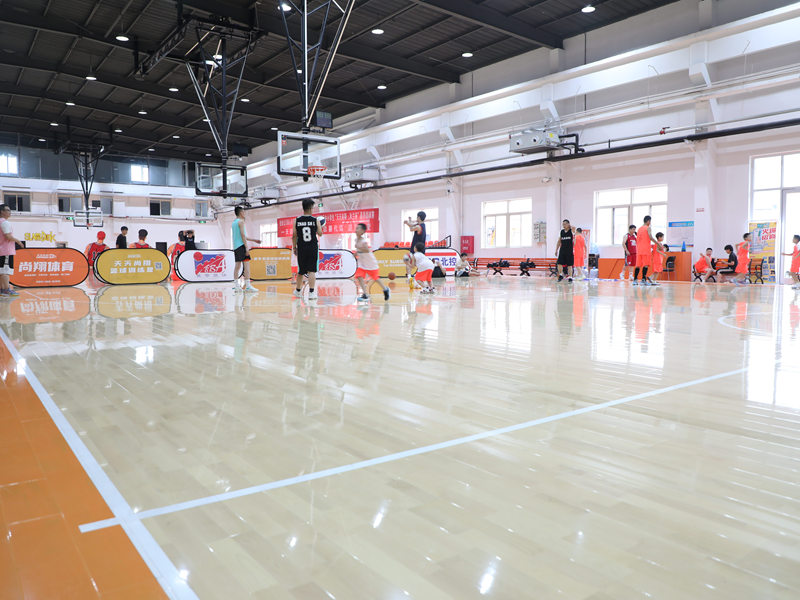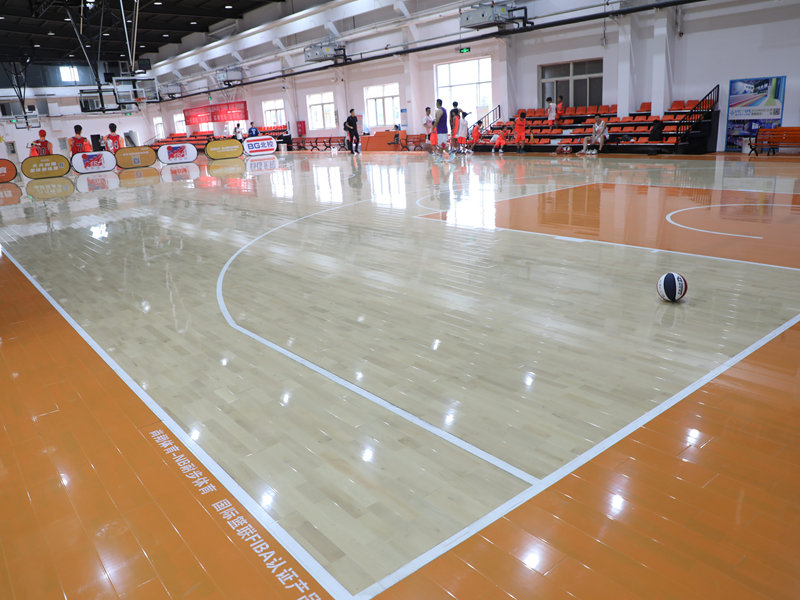
Misinformation about portable basketball court wood flooring is widespread. These myths lead buyers to make poor decisions, either overpaying for permanent systems they do not need or underinvesting in portable systems they should trust. Let us debunk the most common myths.
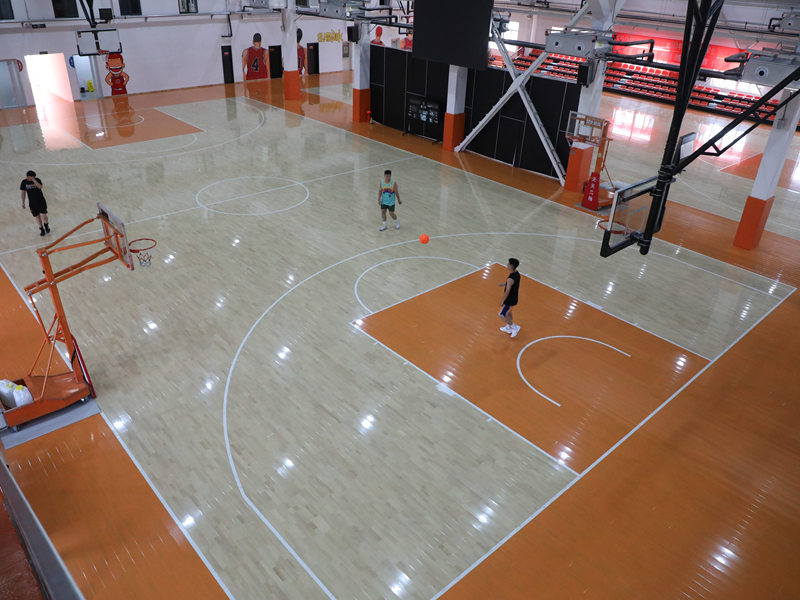
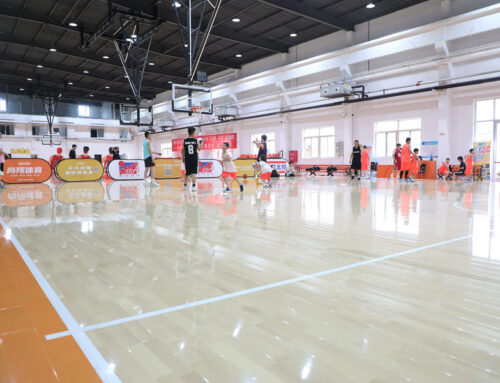
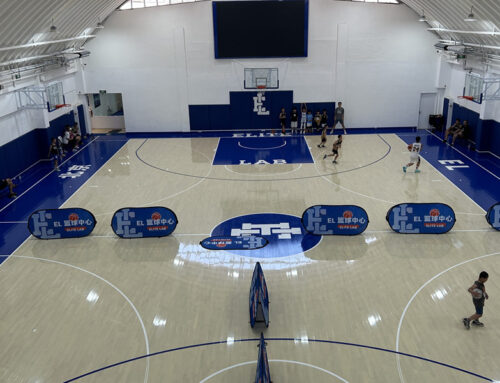
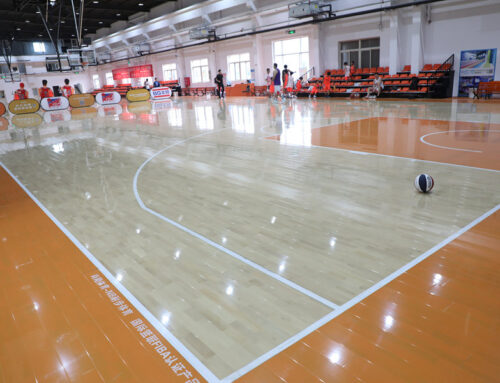
Myth number one: portable floors are only for recreational use. This was true 15 years ago. Modern portable systems use the same hardwood species, similar thicknesses, and comparable finishes as permanent courts. They meet official ball bounce and shock absorption standards. Professional teams use portable floors for training and warm-ups. The performance gap is negligible for all but the most elite competitive settings.
Myth number two: portable floors are flimsy and will fall apart. Early portable systems had weak connection points that could come loose. Modern systems use reinforced interlocking joints, metal clips, and precision-milled edges that create a surface as solid as any permanent installation. A properly assembled portable floor will not shift, separate, or collapse during normal use.
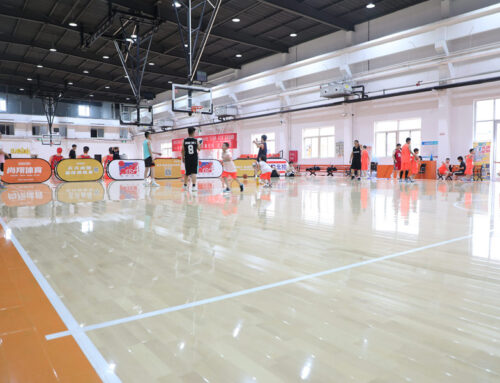
Myth number three: portable floors look cheap. This myth comes from the old plywood-on-pallets image. Modern portable floors are finished with the same quality coatings as permanent hardwood. They can be stained in any color, finished in matte or satin, and lined with professional markings. From a visual standpoint, a well-finished portable floor is indistinguishable from a permanent one.
Myth number four: portable floors are not safe. Some people assume that because the floor can be moved, it must be less stable and therefore less safe. In reality, the safety of a floor depends on its shock absorption, surface friction, and flatness, not on whether it is permanently installed. A high-quality portable floor can be safer than a poorly maintained permanent floor.
Myth number five: portable floors are a waste of money because they do not last as long. Yes, a portable floor may last 10 to 15 years compared to 25 to 30 years for a permanent floor. But a portable floor can serve multiple locations. If you move it three times, the effective lifespan per location is still 10 to 15 years, and you have saved the cost of building three separate permanent courts. The value proposition is often better, not worse.
Myth number six: you need a professional subfloor for portable flooring. One of the main advantages of portable systems is that they can be installed over a wide range of subfloors, including concrete, plywood, and even interlocking plastic tiles. While a level subfloor is important, it does not need to be custom-built.
Understanding these myths helps you evaluate portable flooring on its actual merits rather than on outdated assumptions. The technology has advanced far beyond what most people imagine.