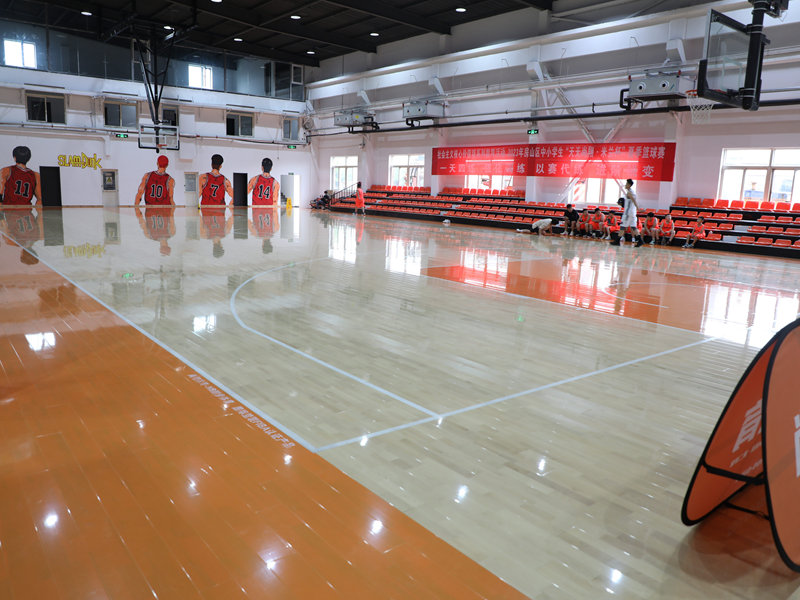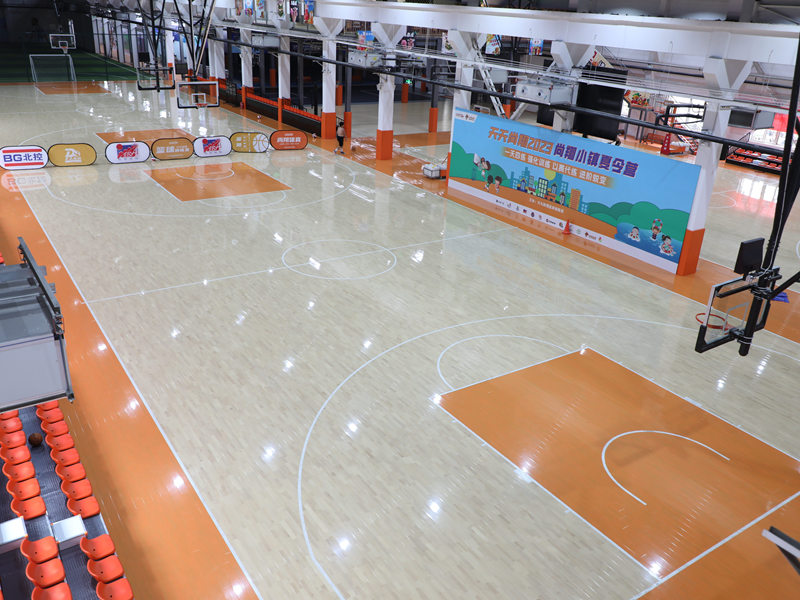
One of the greatest advantages of indoor sports wooden flooring over synthetic alternatives is its ability to be repaired and refinished. While a synthetic floor that is worn out must be torn out and replaced — a costly and disruptive process — a sports wood floor can be restored to like-new condition with relatively minor intervention. Understanding the repair and refinishing process can help you extend the life of your floor and save significant money over time.
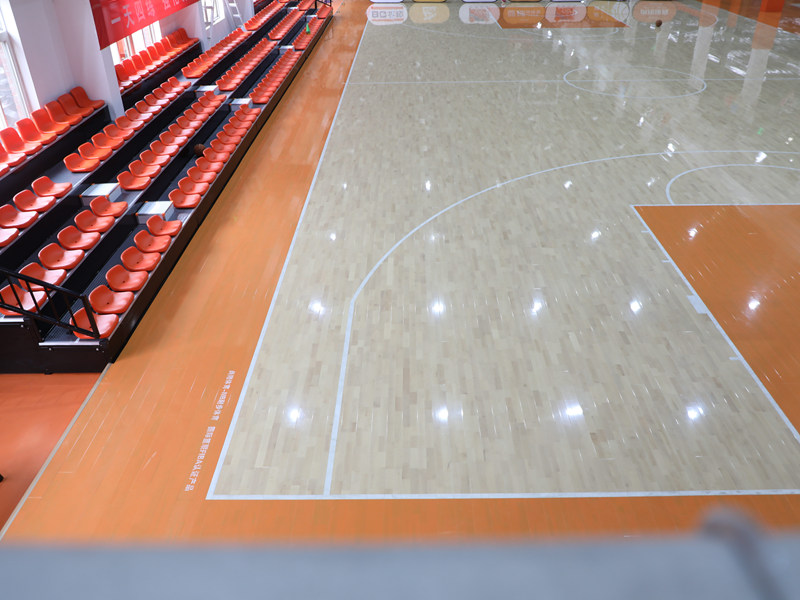
The most common type of damage to indoor sports wooden flooring is surface wear. Over time, the finish coat becomes thin, and the hardwood surface begins to show signs of wear — scuff marks, discoloration, and loss of traction. This is a normal part of the floor’s life cycle and is easily addressed through recoating. Recoating involves lightly sanding the surface to remove the old finish and a very thin layer of wood, then applying a new coat of finish. This process typically costs 10to20 per square meter and can be completed in a day or two, with the floor ready for use within 24 to 48 hours.
More significant damage, such as deep scratches, gouges, or water damage, may require localized repairs. In these cases, the damaged section of the floor is cut out and replaced with a new piece of matching hardwood. The new piece is then sanded, finished, and blended with the surrounding surface so that the repair is virtually invisible. This type of repair is more labor-intensive and can cost 50to100 per square meter, depending on the extent of the damage.
Full sanding and refinishing is the most comprehensive restoration process and is typically required every 10 to 15 years. This process involves using a large drum sander to remove the entire old finish and 1 to 2 millimeters of wood from the surface. The floor is then sanded with progressively finer grits of sandpaper to achieve a perfectly smooth surface. Multiple coats of finish are then applied, with light sanding between each coat. The result is a floor that looks and performs like new. Full refinishing typically costs 30to50 per square meter and requires the facility to be closed for 3 to 7 days, depending on the size of the area and the number of finish coats.
Water damage is one of the most serious threats to indoor sports wooden flooring. If water is spilled on the floor and not cleaned up promptly, it can seep into the seams between panels, causing the wood to swell, cup, or warp. Minor water damage can sometimes be addressed by drying the affected area thoroughly and applying a dehumidifier. If the damage is severe, the affected panels may need to be replaced.
Prevention is always better than cure. The best way to protect your sports wood floor from damage is to follow a regular maintenance schedule, address spills immediately, and ensure that the facility’s climate control system is functioning properly. Using area mats at entrances, requiring clean sports shoes, and prohibiting the use of hard-soled shoes or cleats can also significantly reduce the risk of damage.
It is worth noting that not all damage can be repaired. If the elastic layer has deteriorated or the plywood sub-floor has been compromised by moisture, the entire floor may need to be replaced. However, this is relatively rare if the floor has been properly maintained.
In conclusion, the repairability and refinishability of indoor sports wooden flooring is one of its most compelling advantages. With proper care and timely maintenance, a sports wood floor can be kept in excellent condition for decades, providing excellent value for money and minimizing environmental waste.