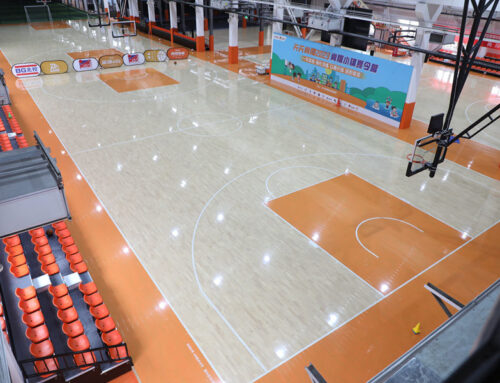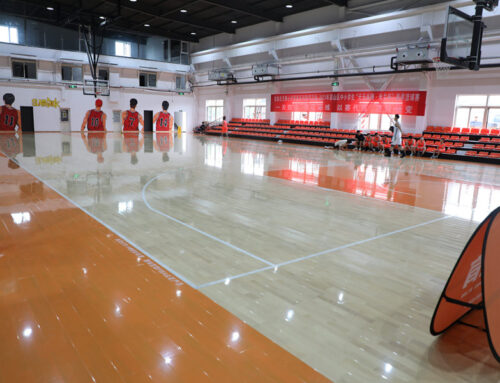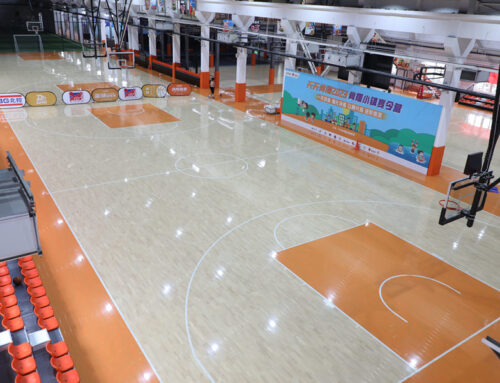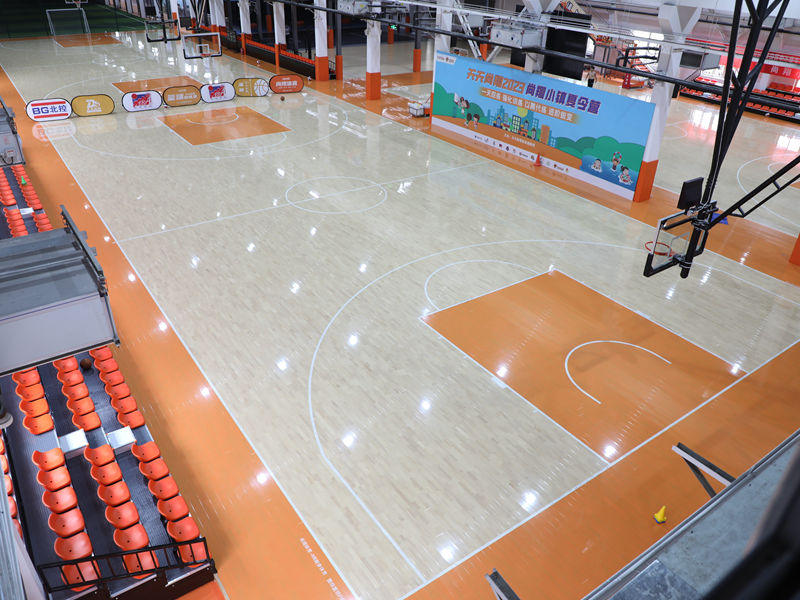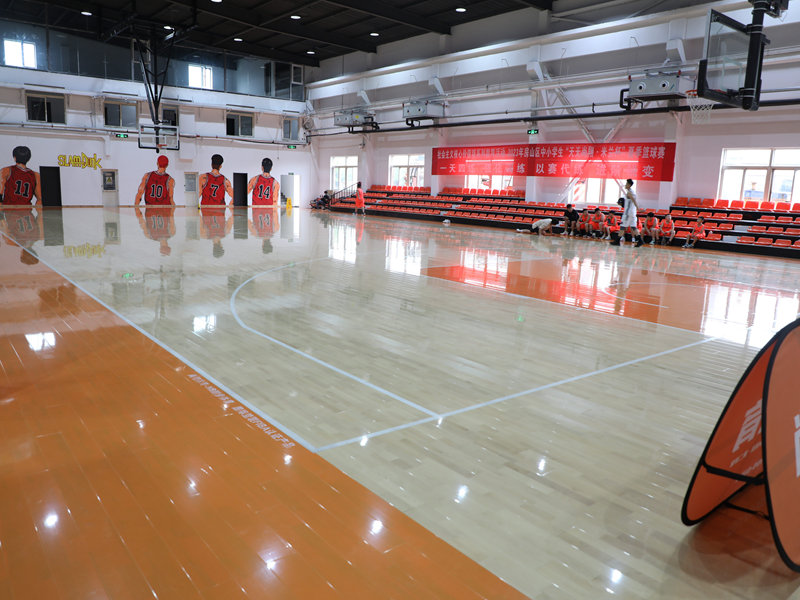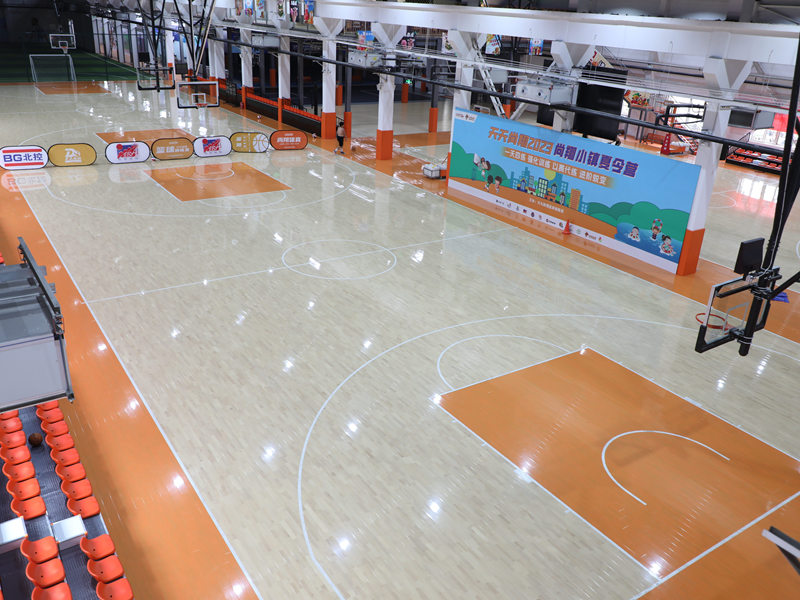
Completing the assembly of an indoor basketball wooden floor is just the first step in a long journey of keeping the surface in top condition for decades of play. A beautifully assembled floor that is not properly maintained will quickly lose its performance qualities, develop scuffs, scratches, and dull spots, and may even suffer permanent structural damage that requires costly repairs. With a consistent, thoughtful maintenance routine that is tailored to the unique properties of wood sports flooring, you can preserve the smooth, responsive, safe characteristics of your assembled basketball wooden floor, extending its lifespan far beyond what many people expect. Proper care does not have to be complicated, but it does require regular attention and a commitment to following practices that protect both the wood and the performance finish.
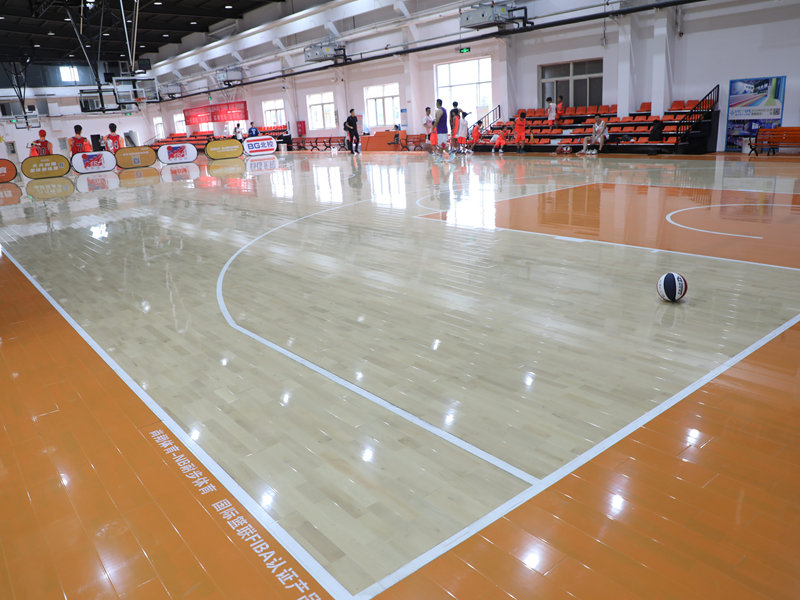
The most basic and most important daily maintenance task for an assembled basketball wooden floor is regular dry cleaning. Even small particles of dirt, sand, and dust that get tracked into the gym on the bottom of people’s shoes act like sandpaper on the finish of the floor. Every time someone runs across these tiny particles, they grind small scratches into the protective top layer, slowly making the surface dull and reducing its traction over time. To prevent this, the floor should be swept with a specially designed microfiber mop every single day, or even multiple times a day if the facility is heavily used. This type of mop picks up fine dust and small debris without pushing it around across the surface, which would cause more scratches. Many facilities also use a large floor sweeper with soft bristles to cover the entire court quickly and efficiently, making sure no corner or edge is missed. It is also a good practice to place heavy-duty doormats at every entrance to the court area, so people can wipe the dirt off their shoes before they step onto the wooden floor. These mats should be cleaned regularly as well, so they do not become saturated with dirt and end up tracking more debris onto the floor than they catch. By removing all abrasive particles from the surface every day, you can eliminate the single biggest cause of wear on a basketball wooden floor.
On top of daily dry cleaning, periodic gentle wet cleaning is needed to remove the built-up residue that dry mopping cannot get rid of. Over time, small amounts of sweat, drink spills, and dirt that sticks to the finish will create a thin, sticky layer on the surface. This layer can make the floor dangerously slippery, especially when players are sweating heavily during intense games. However, it is extremely important to never use excessive water when cleaning a wooden basketball floor, because standing water can seep into small cracks in the finish, penetrate into the wood, and cause swelling, warping, or discoloration. The correct method is to use a well-wrung damp mop, or a specialized floor cleaning machine that applies a very fine mist of pH-neutral, sports-floor-safe cleaning solution, and then immediately sucks the moisture back up again. The cleaning solution must be specifically designed for wooden sports floors, and harsh chemicals like bleach, ammonia, or all-purpose household cleaners should never be used. These harsh products can break down the protective finish, cause it to become cloudy or discolored, and even damage the wood beneath. Wet cleaning should be done on a regular schedule that matches the usage level of the court: for a heavily used school gym, this might be once a week, while a private home court might only need this type of cleaning once a month. After wet cleaning, the floor should be allowed to fully dry before anyone walks on it, to make sure no moisture is left behind.
Even with the best regular cleaning routine, over time the surface finish of an assembled basketball wooden floor will start to show signs of wear. High-traffic areas near the baskets, the free-throw lines, and the main entry points will start to develop dull spots and scuff marks, and the traction of the floor will begin to change. When this happens, it is time for a periodic recoating process, which is one of the most effective ways to extend the life of the floor. This process starts with a thorough deep cleaning of the entire surface, to remove all dirt, old wax, and built-up residue. Then, the floor is lightly buffed with a fine abrasive screen, which scuffs up the old finish very slightly to create a rough surface that the new coat of finish can bond to easily. After all the dust from buffing is completely removed, one or two new coats of sports-grade finish are applied evenly across the entire court. This process adds a brand new fresh layer of protection, restoring the floor to its original smooth, high-traction condition without having to do a full heavy sanding. When done on a regular schedule, every one to three years depending on usage, recoating can keep the floor looking and performing like new for many years, delaying the need for a full sanding for a decade or more.
Eventually, after many years of use and multiple recoats, the top layer of finish and the very top of the wood itself will become worn down enough that a full sanding is needed. This is a more extensive process that removes a thin layer from the entire surface of the wood, stripping away all the old finish, deep scratches, stubborn stains, and any uneven worn areas to reveal a fresh, flat layer of raw wood beneath. When performed correctly by experienced professionals, a full sanding can make an old assembled basketball wooden floor look and feel almost brand new again. The great advantage of a properly assembled wooden basketball floor is that this process can be repeated multiple times over the life of the floor, as long as there is enough thickness left in the top wood layer. After sanding is complete, the team will apply multiple new coats of finish, reapply all the court lines, and the floor will be ready for many more years of play. This ability to be refinished over and over is one of the biggest benefits of a wooden basketball floor, making it a far more sustainable long-term investment than many other types of sports flooring that cannot be restored.
There are also small, simple daily practices that can make a huge difference in preserving the condition of your assembled basketball wooden floor. For example, never allow anyone to wear outdoor shoes, high heels, or cleats onto the court, as these types of footwear can leave deep gouges and dents in the wood that can never be repaired. Only allow players to wear clean, non-marking basketball shoes that are specifically designed for indoor courts. When moving heavy equipment like basketball hoops, score tables, or bleachers across the floor, always lift the items completely off the ground instead of sliding them, as sliding heavy objects will leave deep scratches that cut right through the finish and into the wood. Use protective padding on the bottom of all furniture and equipment that sits on the floor, to prevent them from leaving permanent indentations. It is also important to monitor and control the temperature and humidity of the court space all year round. Using a humidifier in the dry winter months and a dehumidifier in the humid summer months will keep the wood’s moisture content stable, preventing the large seasonal gaps or warping that can cause permanent damage. With these simple, consistent care practices, your carefully assembled indoor basketball wooden floor will remain a beautiful, safe, high-performance playing surface that players will enjoy for decades.