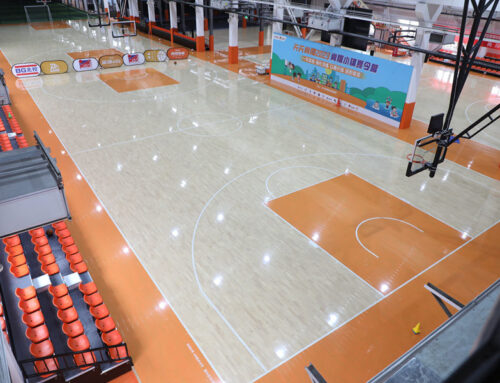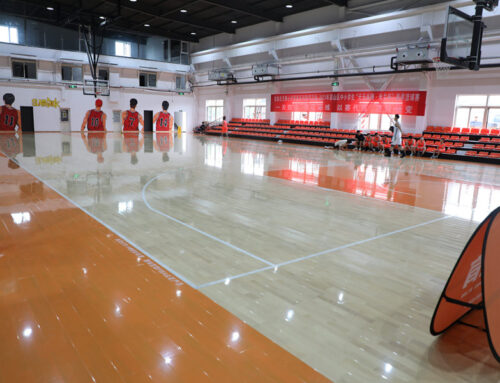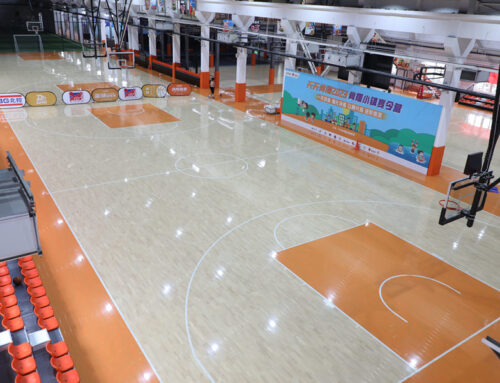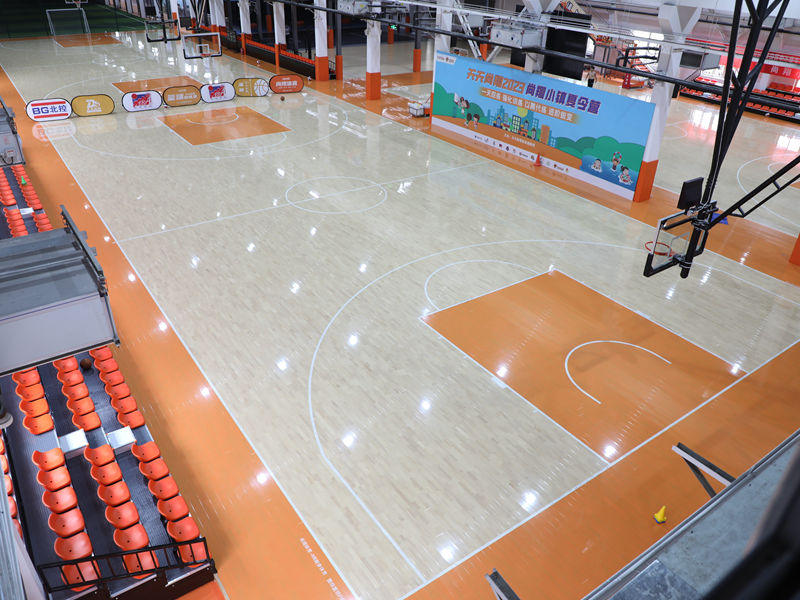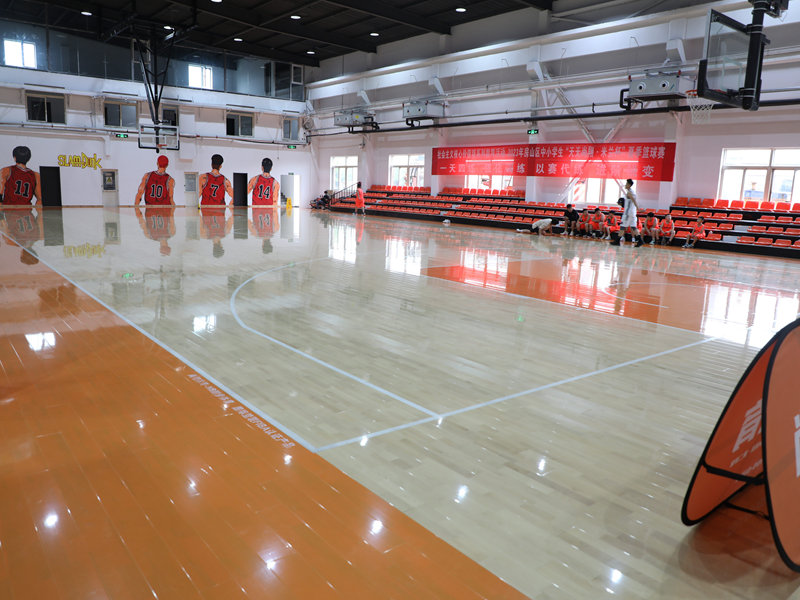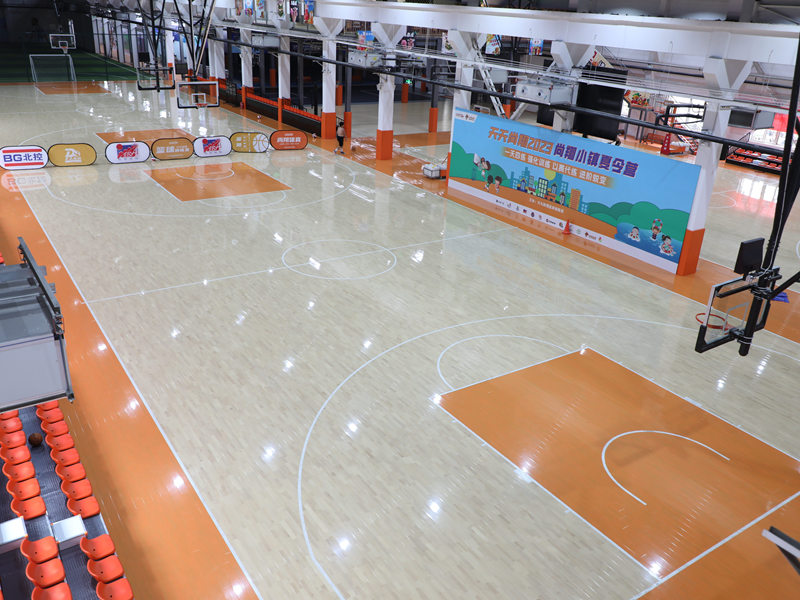
An assembled indoor basketball wooden floor is a significant investment for any sports facility, gym, or community center, and its long-term performance and durability depend on a series of critical decisions made during the planning and assembly process. Many factors come into play when building this type of court, from the selection of core structural components to the small details of how different layers interact with each other. When these considerations are properly addressed during assembly, the resulting floor will not only deliver an exceptional playing experience but also stand up to years of heavy use without showing excessive wear or developing structural issues. Understanding these key factors helps ensure that every assembled basketball wooden floor meets the unique needs of the space it occupies.
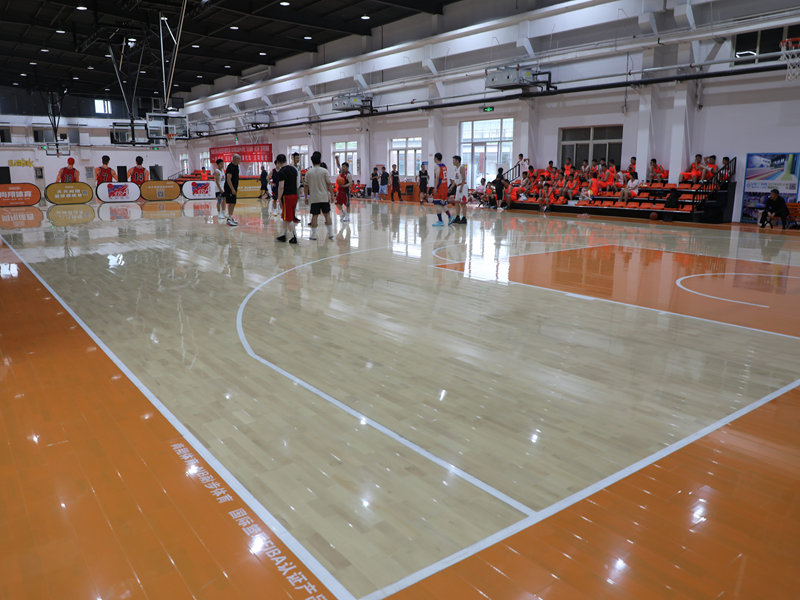
One of the most fundamental considerations is the design of the layered structure that sits beneath the visible wooden surface. A high-quality basketball wooden floor is not a single solid slab of wood; it is a multi-layer system engineered to balance three essential performance characteristics: shock absorption, vertical deformation, and ball bounce response. Shock absorption refers to how much the floor gives when a player jumps and lands on it, and a well-designed system will absorb roughly 50 to 60 percent of the impact force, rather than transferring all that force directly to the athlete’s body. This is a critical safety feature that reduces the risk of chronic injuries like shin splints, knee pain, and ankle sprains that can come from playing on a hard, unforgiving surface. At the same time, the floor cannot be too soft, because excessive vertical deformation would make players feel like they are sinking into the surface when they run, slowing down their movements and making quick direction changes much harder. The middle layers of the assembly are carefully calibrated to find the perfect balance between these two needs, creating a surface that feels firm and responsive underfoot while still providing enough give to protect players’ bodies. The final performance factor is consistent ball bounce: a properly assembled basketball wooden floor will allow a basketball to bounce back to at least 90 percent of the height it was dropped from, across every single part of the court. This ensures that the ball behaves the same way in the corner of the court as it does near the basket, so players do not have to adjust their dribbling based on where they are standing on the surface.
Another vital consideration during assembly is the management of wood movement, which is often the biggest cause of problems in poorly built basketball wooden floors. All natural wood will change in size as the surrounding humidity changes: when the air is moist, the wood absorbs water and swells, and when the air is dry, it releases moisture and shrinks. If the assembly process does not account for this natural behavior, the floor can develop serious issues like large gaps between planks during dry seasons, or dangerous buckling and warping during humid months. To prevent these problems, the assembly team must first make sure that all the wooden materials are properly acclimated to the exact conditions of the indoor space before installation begins. This means storing the planks in the actual court area for a period of time, so their internal moisture content adjusts to match the average humidity of the space. During assembly, workers leave precise expansion gaps at every perimeter of the floor, along all walls, around any fixed posts or pillars that pass through the floor, and at any transition points where the basketball wood floor meets other types of flooring. The size of these gaps is calculated based on the expected maximum expansion of the wood in the highest possible humidity conditions the space will ever experience. The fasteners used to secure the planks are also installed in a way that allows each individual plank to move slightly as it expands and contracts, rather than locking every piece rigidly in place. These small, careful steps prevent almost all of the common movement-related issues that can ruin a basketball floor years before its time.
The quality of workmanship during every stage of assembly also has a massive impact on the final durability of the basketball wooden floor. Even the best materials will fail prematurely if they are installed carelessly. For example, when laying the sub-layer panels, if workers leave gaps that are too large between adjacent panels, the surface above can develop weak spots that will sag over time under the repeated impact of players. If they drive fasteners too deep, they can create dents in the surface that will catch dust and wear unevenly, and if they do not drive them deep enough, the heads can stick up and create dangerous bumps that could trip a runner. During the sanding phase, inconsistent technique can leave some areas of the wood thinner than others, which will wear through much faster during heavy use. A skilled assembly team will take the time to make multiple passes over the entire surface, checking the flatness with a straight edge after each sanding stage to ensure the entire court is perfectly uniform. They will also pay close attention to the edges of each plank, making sure that no two adjacent planks have a slight height difference that would create a noticeable lip that can wear down players’ shoes and cause the finish to chip. These small, seemingly minor details add up to create a floor that stays smooth, safe, and consistent even after thousands of hours of play.
The choice and application of the surface finish is another key consideration that directly affects both performance and durability. The finish on a basketball wooden floor has two main jobs: to protect the wood from wear and damage, and to provide the exact level of traction that players need. A finish that is too slippery will make players slip when they try to make a sudden stop, leading to falls and injuries. A finish that is too rough will slow down players’ movements, make it hard to slide their feet for defensive slides, and wear out the soles of basketball shoes extremely quickly. During assembly, the team selects a finish that is specifically formulated for sports use, with a carefully calibrated coefficient of friction that falls right in the middle of the safe, playable range. They apply the finish in a controlled environment, making sure there is no dust floating in the air that could get stuck in the wet finish and create rough spots on the surface. They also make sure each layer of finish is allowed to cure for the exact amount of time specified, before adding the next coat or allowing anyone to walk on the floor. Many high-quality assembled floors also include a final maintenance coat that adds extra protection, extending the life of the floor and reducing the amount of work needed to keep it in good condition over the years.
Finally, the design of the assembly should take into account the specific usage patterns of the facility. A basketball court that will be used for professional competitive games has different needs than a court in a local school gym that will be used every day for physical education classes, after-school programs, and community events, or a court in a private home that will only see occasional use. For high-traffic public facilities, the assembly team can add extra reinforcement in the high-impact areas near the baskets and along the baseline, where players tend to make the most hard stops and jumps. They can also select a thicker top layer of wood that can be sanded and refinished multiple times over the decades, so the floor can be restored to like-new condition without needing to be completely replaced. For facilities that need to convert the space for other events, like concerts or trade shows, the assembly can be designed with a structure that can handle the weight of heavy portable stages and equipment without getting damaged. By tailoring the assembly process to the specific needs of the space, the final basketball wooden floor will deliver maximum value, providing a great playing experience that lasts for many years of active use.