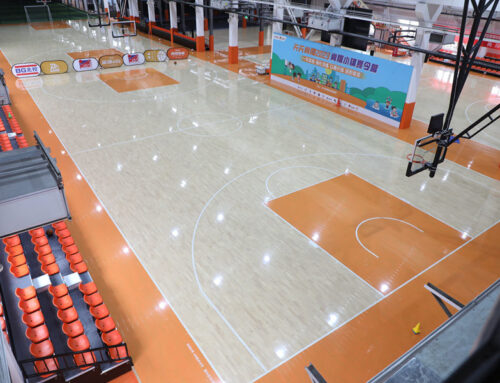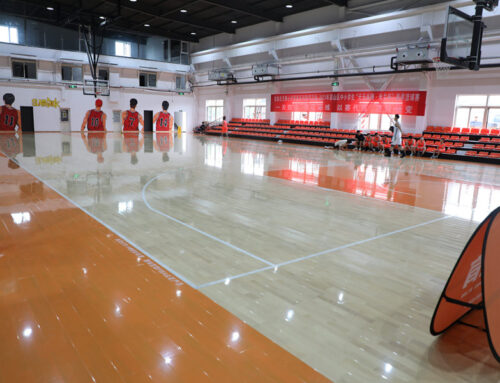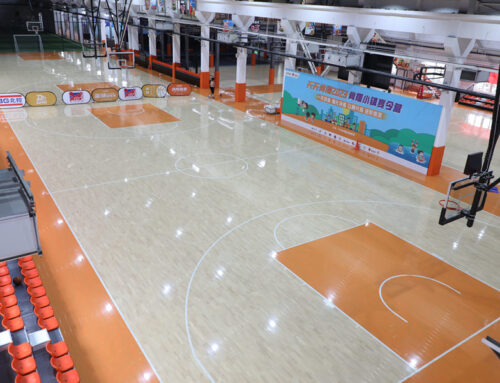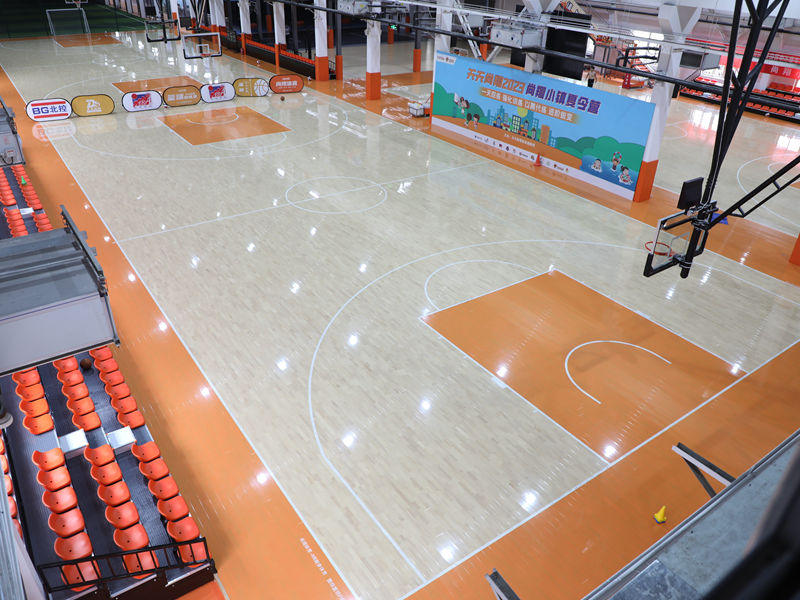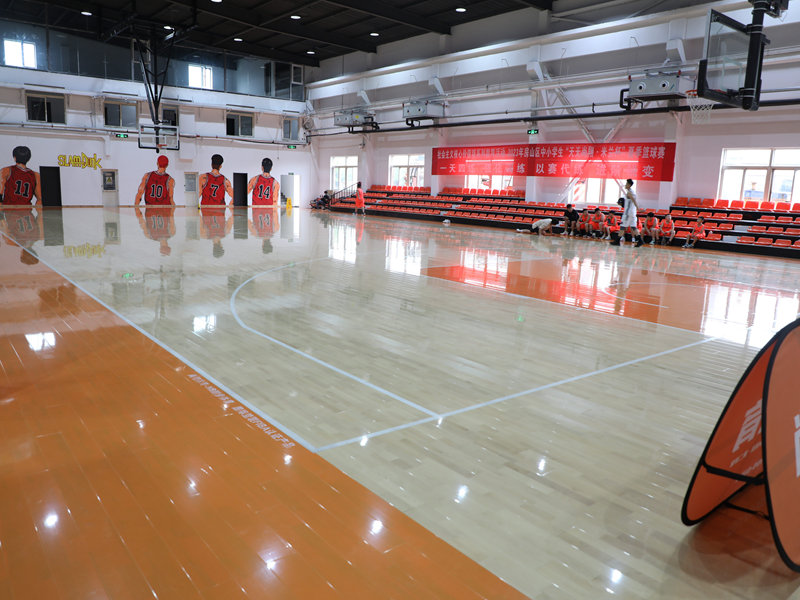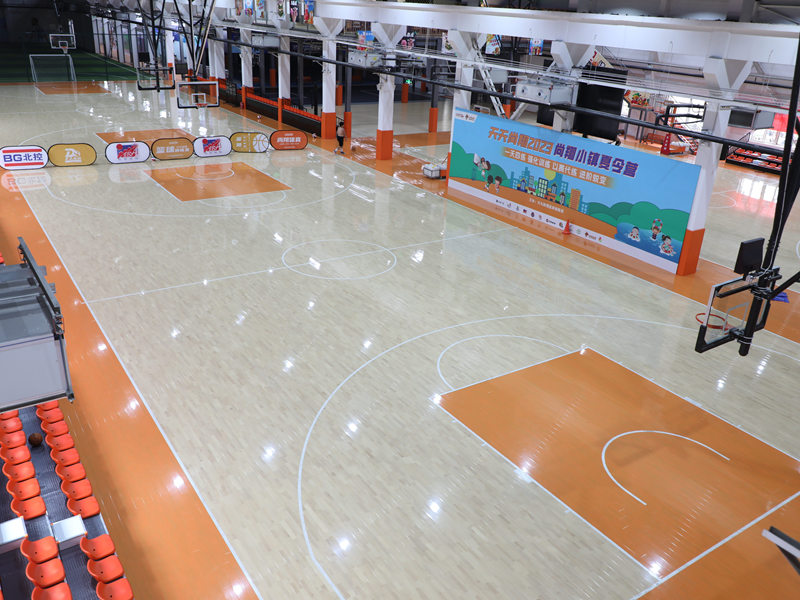
The integration of photocatalytic properties into printed sports wooden flooring surfaces represents a convergence of materials science and facility hygiene that addresses longstanding challenges in maintaining clean, healthy athletic environments. Photocatalysis involves materials that accelerate chemical reactions when exposed to light, and when incorporated into the printing inks used for sports flooring surfaces, these materials can actively break down organic contaminants, neutralize odors, and even inhibit microbial growth. This transforms the flooring from a passive surface that merely holds athletes to an active environmental component that contributes to facility cleanliness and air quality. The technology is particularly valuable in sports facilities where sweat, skin cells, and other organic materials are constantly being deposited on the playing surface.
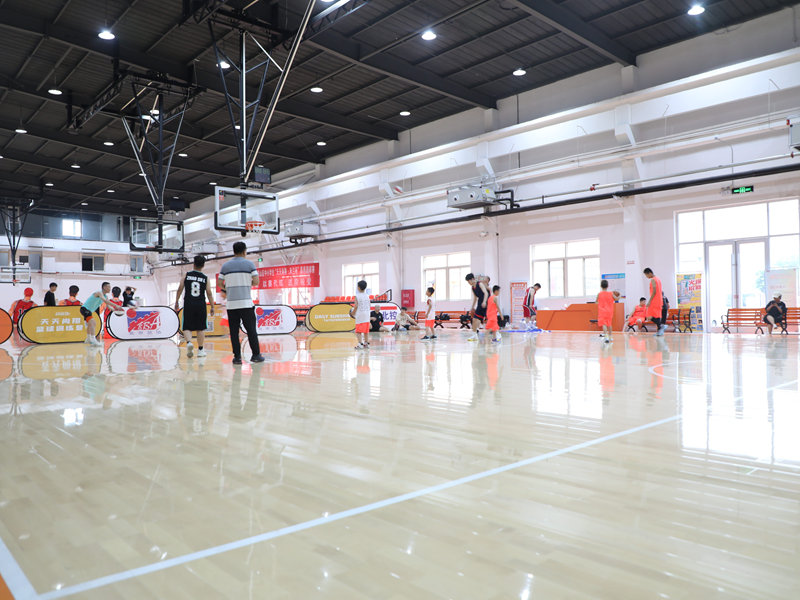
The photocatalytic effect is achieved by incorporating titanium dioxide or similar semiconductor nanoparticles into the transparent top layer of the printed sports wooden flooring surface. When these nanoparticles are exposed to the ultraviolet component of normal facility lighting, they generate reactive oxygen species that oxidize organic compounds on contact. Sweat residues, skin oils, and other organic materials that accumulate on the floor during use are gradually broken down into harmless carbon dioxide and water vapor, preventing the buildup of grime that traditionally required aggressive chemical cleaning. This continuous self-cleaning effect means that facilities can maintain hygienic conditions with less frequent deep cleaning, reducing maintenance costs and minimizing the use of cleaning chemicals that can sometimes leave residues affecting playability.
Beyond basic cleanliness, the photocatalytic properties of advanced printed sports wooden flooring contribute to improved indoor air quality within sports facilities. Volatile organic compounds that off-gas from various building materials, cleaning products, and even from the athletes themselves (through respiration and perspiration) can be broken down as they come into contact with the photocatalytic surface. This is particularly beneficial in enclosed facilities with limited ventilation during winter months, where air quality can sometimes deteriorate during extended training sessions or competitions. By actively breaking down these compounds rather than simply allowing them to accumulate, the flooring helps maintain a fresher, healthier environment for both athletes and spectators.
The antimicrobial aspect of photocatalytic sports wooden flooring addresses concerns about disease transmission in shared athletic spaces. While the floor surface itself doesn’t become sterile, the continuous breakdown of organic materials removes the food source that microbes need to proliferate, creating an environment that is less hospitable to bacteria, viruses, and fungi. This is especially valuable in facilities that host multiple user groups throughout the day, where the risk of cross-contamination between different teams or community users has always been a concern. The photocatalytic properties work continuously under normal facility lighting conditions, requiring no special activation or maintenance beyond the routine cleaning that would occur anyway. This integration of active hygiene properties into the fundamental construction of the sports wooden flooring represents how modern manufacturing technology is creating multifunctional surfaces that address a wide range of facility management challenges simultaneously.