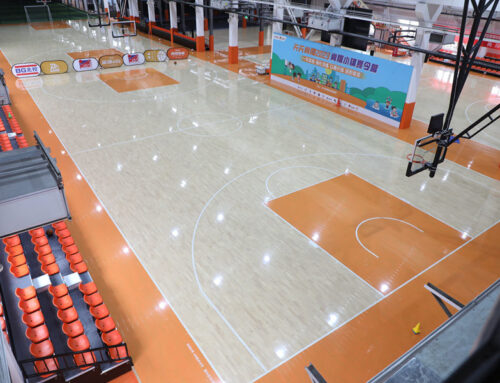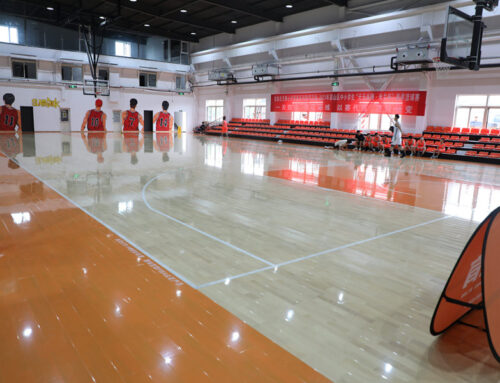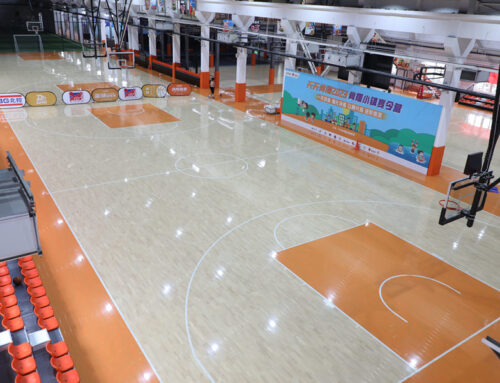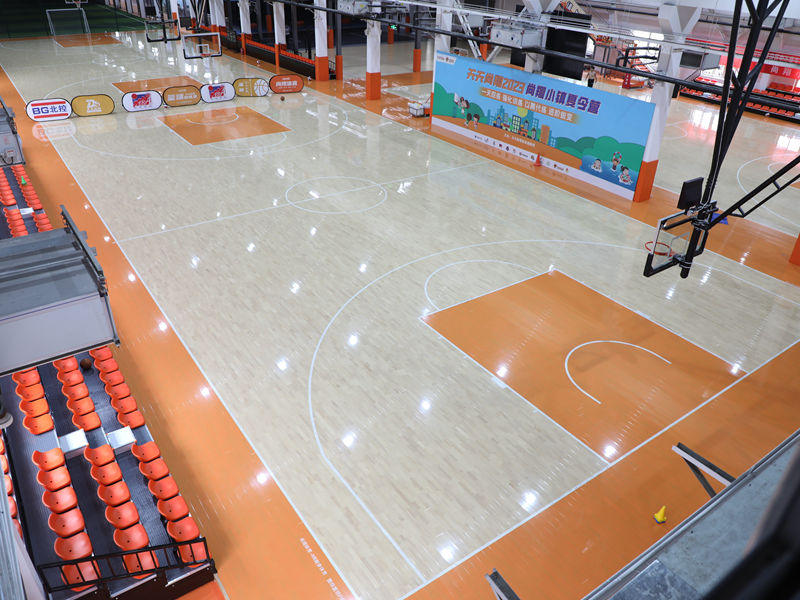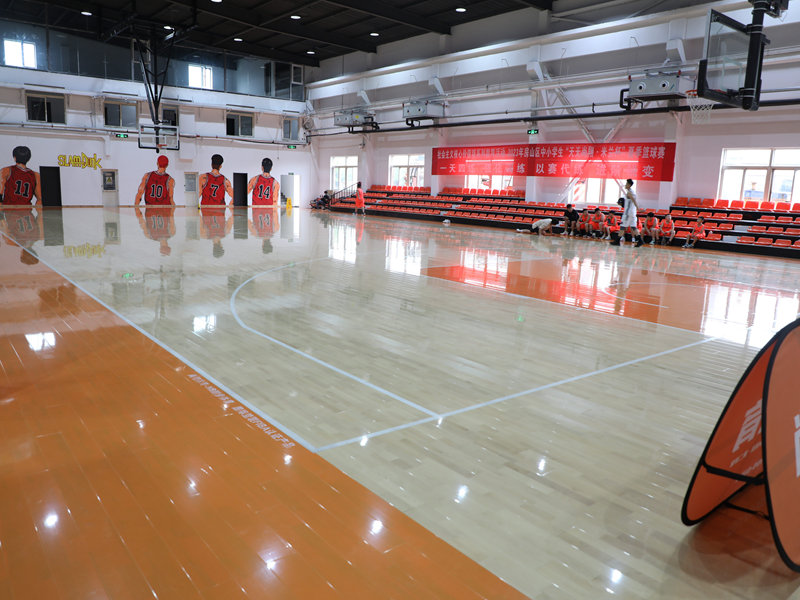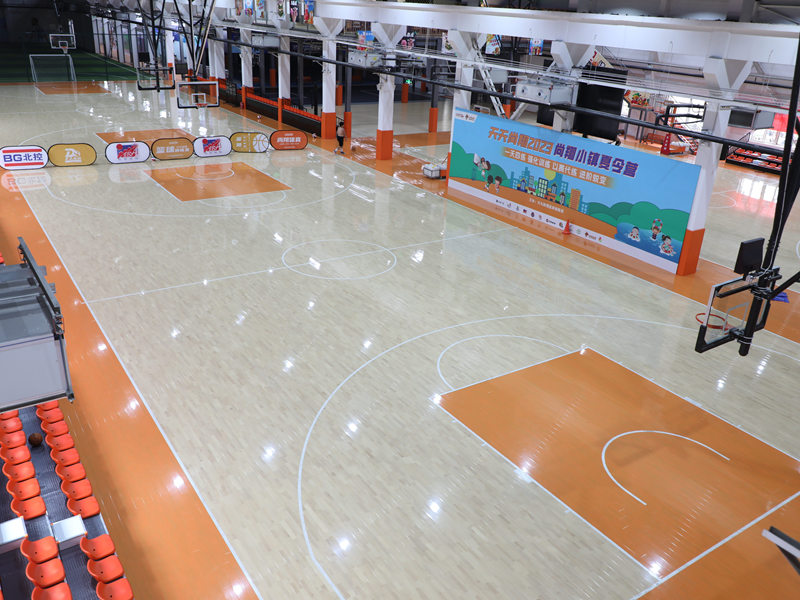
Noise is an often-overlooked but critically important aspect of indoor sports facility design. The sound generated by athletes’ shoes on the playing surface can be deafening — a basketball game on a hardwood floor can easily exceed 90 decibels, which is equivalent to the noise level of a lawnmower. While some noise is inevitable and even desirable (the squeak of shoes on a hardwood floor is part of the atmosphere of the game), excessive noise can be a problem for both athletes and spectators. Indoor sports wooden flooring offers several strategies for managing noise.
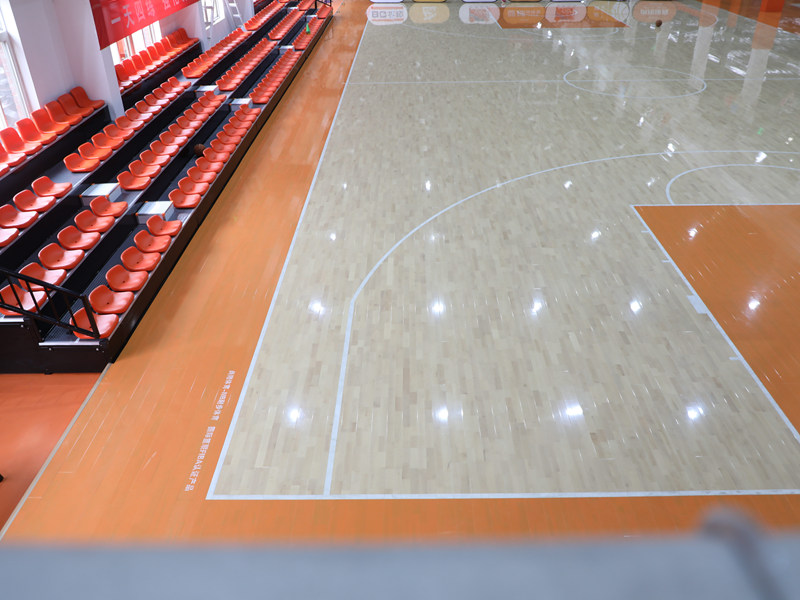
The primary source of noise on a sports floor is the impact of the shoe sole on the surface. When a player makes a quick stop or changes direction, the friction between the shoe and the floor creates a sharp, high-pitched sound. The loudness of this sound depends on several factors, including the hardness of the floor, the type of shoe sole, and the finish on the surface.
Indoor sports wooden flooring is inherently louder than synthetic alternatives like rubber or vinyl. This is because hardwood is a hard, resonant material that amplifies the sound of impact. However, the noise level can be significantly reduced through the use of a proper underlayment. The elastic layer in a sports wood floor not only provides shock absorption but also acts as a sound dampener, reducing the transmission of impact noise through the sub-floor.
The thickness of the underlayment is a key variable in noise control. A thicker underlayment will provide more sound dampening but may also affect the ball bounce and shock absorption of the floor. The ideal thickness is a compromise between noise control and performance, and it should be determined based on the specific requirements of the facility.
The finish on the floor also affects noise. A matte finish tends to be quieter than a gloss finish because it has a slightly rougher texture that reduces the “squeak” of the shoe sole. Most sports wood floors use a matte finish for this reason, as well as for its superior traction and reduced glare.
For facilities that require very low noise levels — such as multi-purpose venues that host concerts, conferences, or other events in addition to sports — additional sound management strategies may be needed. These can include acoustic ceiling panels, sound-absorbing wall treatments, and the use of area rugs or mats in non-playing areas.
It is worth noting that some athletes actually prefer the sound of a sports wood floor. The familiar squeak of shoes on hardwood is part of the sensory experience of playing the game, and many athletes say they use the sound as feedback to gauge their movements. Removing all noise from the floor can actually make it harder for athletes to perform, as they lose this auditory cue.
For facility managers, noise control is also a regulatory issue. Many local building codes and noise ordinances specify maximum noise levels for athletic facilities, particularly in mixed-use buildings where the sports facility shares walls or floors with residential or office spaces. Indoor sports wooden flooring can meet these requirements, but it may require additional sound management measures.
In summary, while indoor sports wooden flooring is inherently louder than some synthetic alternatives, it offers effective noise management through the use of proper underlayment, finish selection, and facility design. By understanding the sources of noise and implementing the right strategies, you can create a sports facility that is both high-performing and acoustically comfortable.