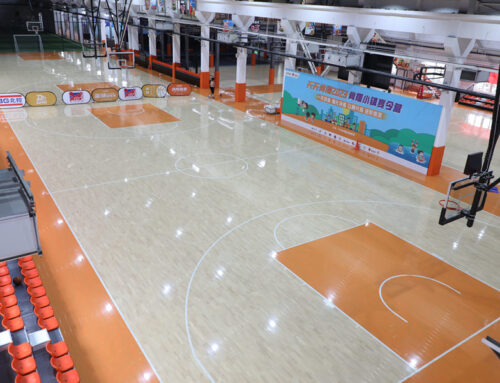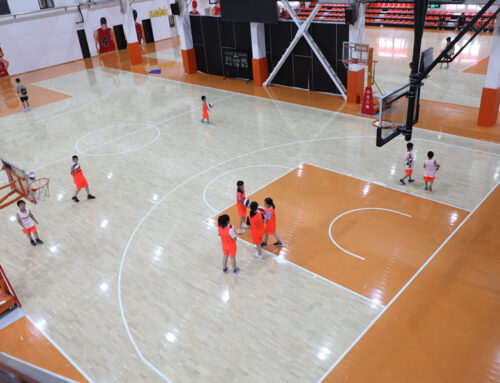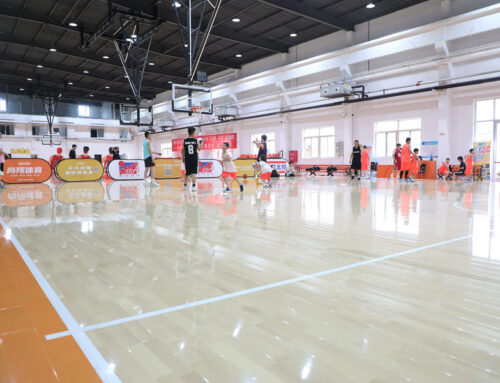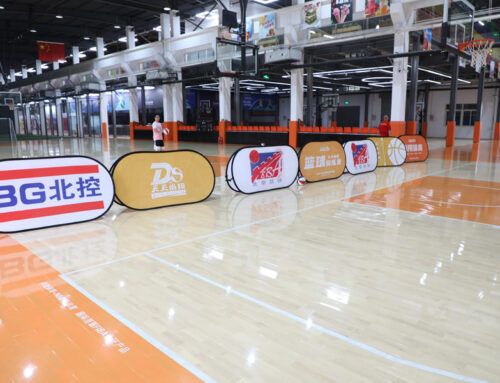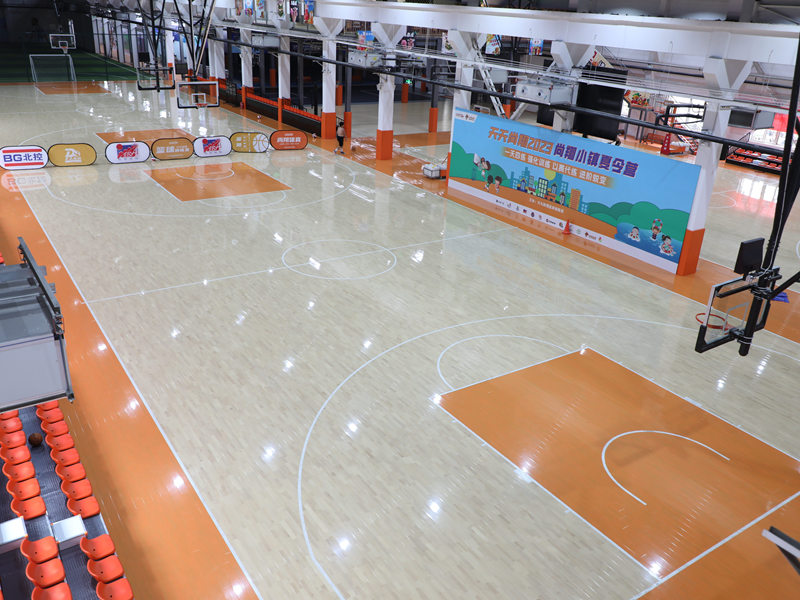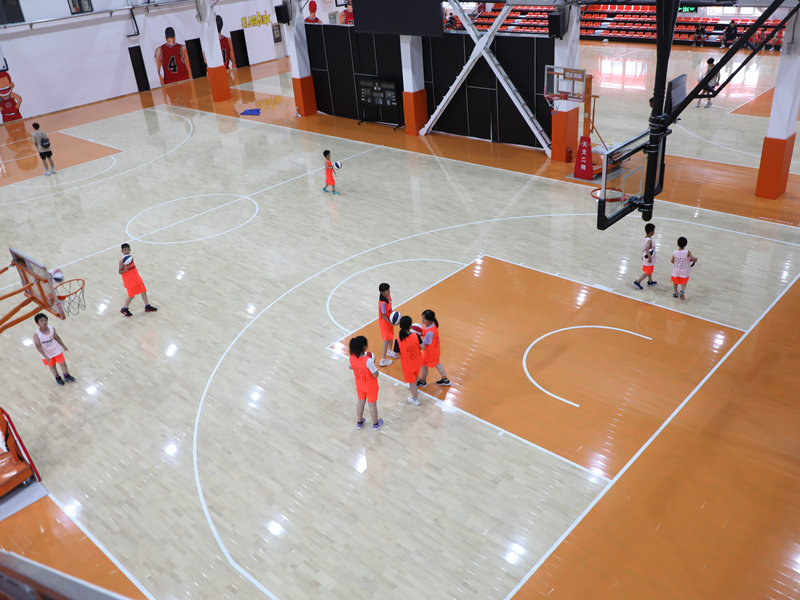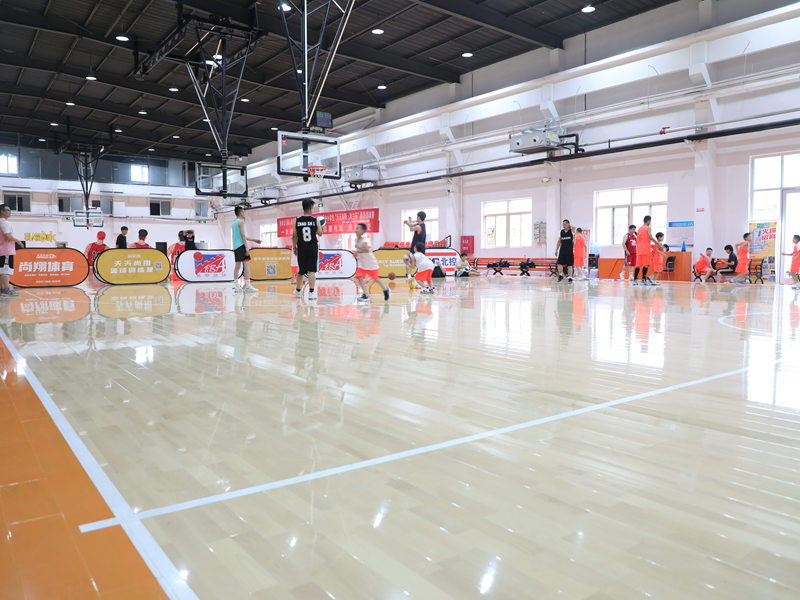
One of the most powerful social impacts of modern modular sports wood flooring is its ability to expand access to high-quality athletic spaces for communities that have historically been underserved by traditional sports facility development. Many low-income neighborhoods, rural communities, and small towns do not have the budget to build a dedicated permanent sports arena with a professional fixed wood floor.
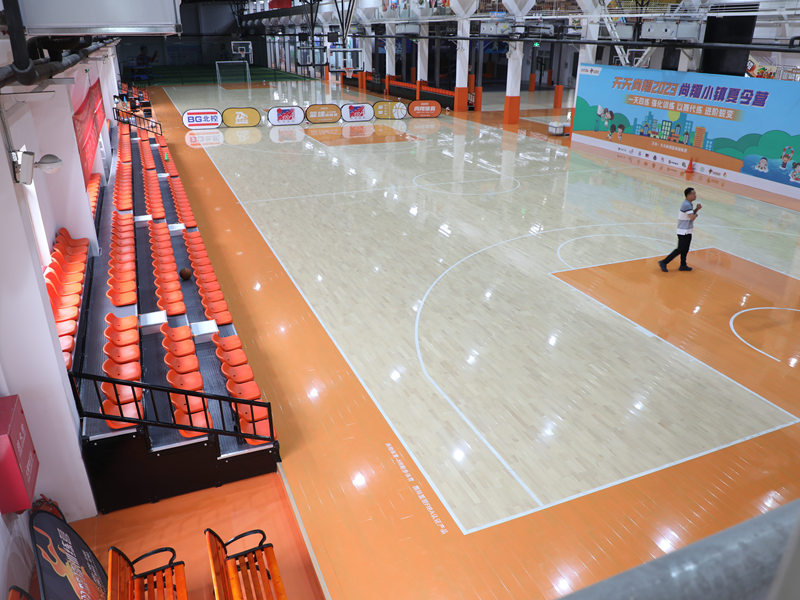
Modular wood systems eliminate this barrier, since they can be installed in existing underused spaces like empty school auditoriums, community halls, and even large unused warehouse spaces for a tiny fraction of the cost of building a new dedicated facility. This means local residents no longer need to travel 30+ minutes to reach a city-owned gym with a high-quality playing surface; they can access a professional-grade court right in their own neighborhood. The portability of the system also allows mobile sports programs to bring modular wood panels to different locations around a community, setting up temporary courts in different neighborhoods on different days of the week. This ensures that even residents who do not own a car can easily reach a high-quality sports space, making organized sports accessible to elderly participants, low-income families, and people with disabilities who cannot travel long distances. Many community organizations that have installed modular sports wood flooring report that their sports participation rates have doubled or tripled, since the high-quality surface attracts far more people to join local leagues and fitness programs. This increased participation helps build stronger community connections, improves public health outcomes, and creates safe, positive spaces for young people to spend their free time. The low cost and high flexibility of modular systems have proven to be a game-changer for inclusive sports access, helping to close the gap between wealthy urban areas and underserved rural or low-income communities.