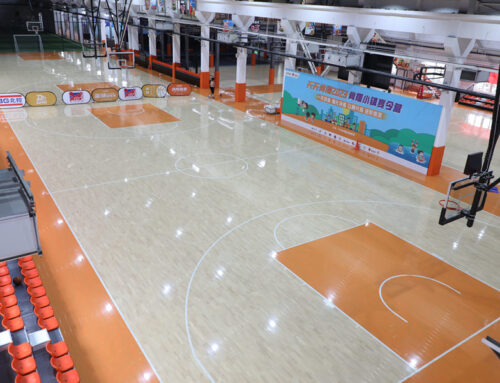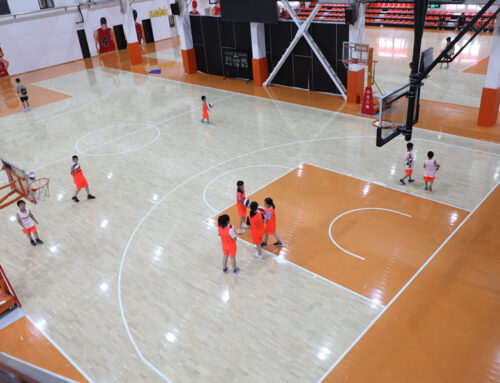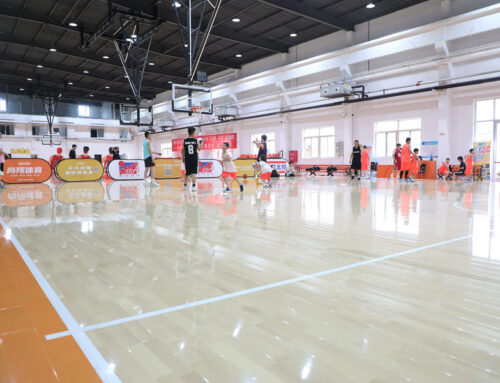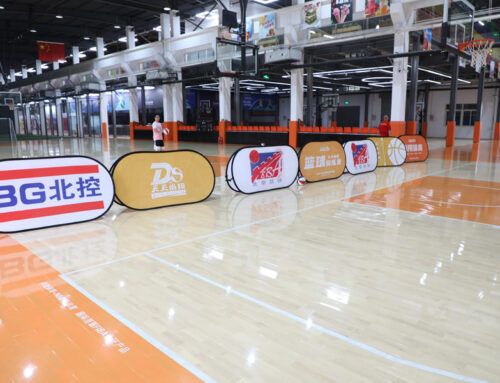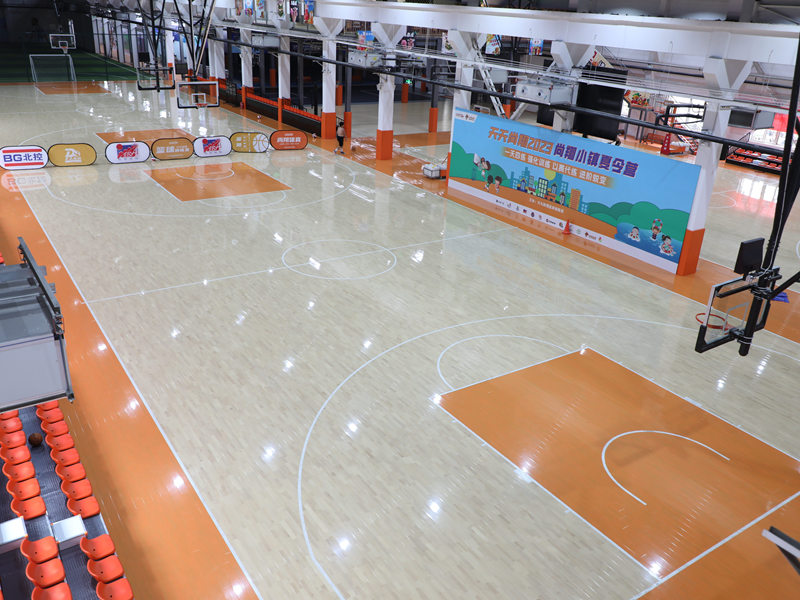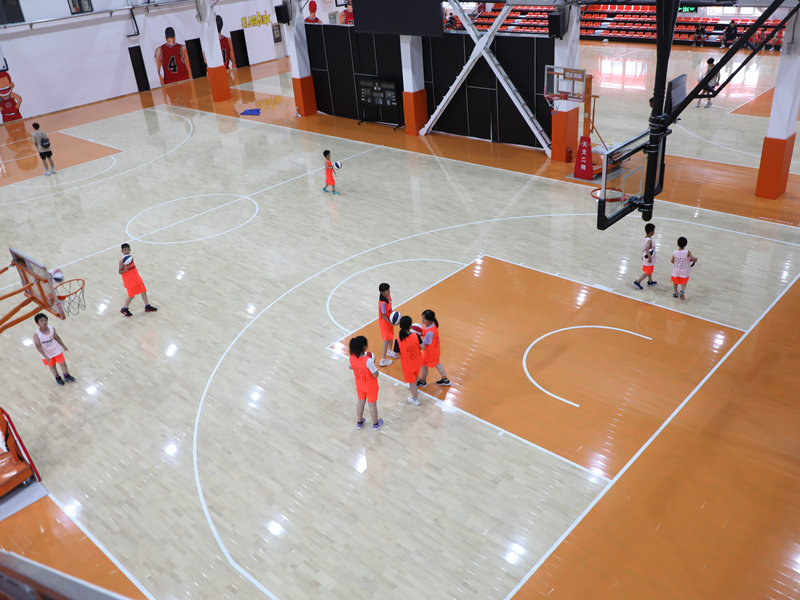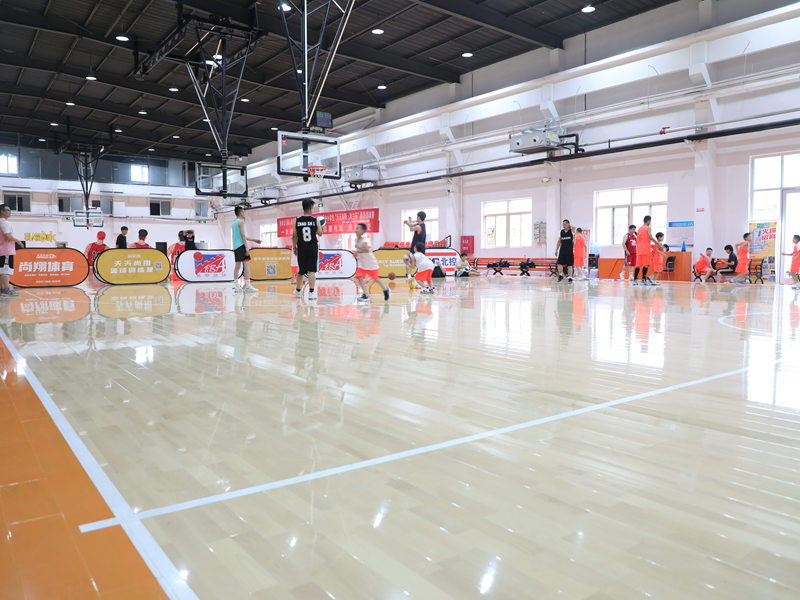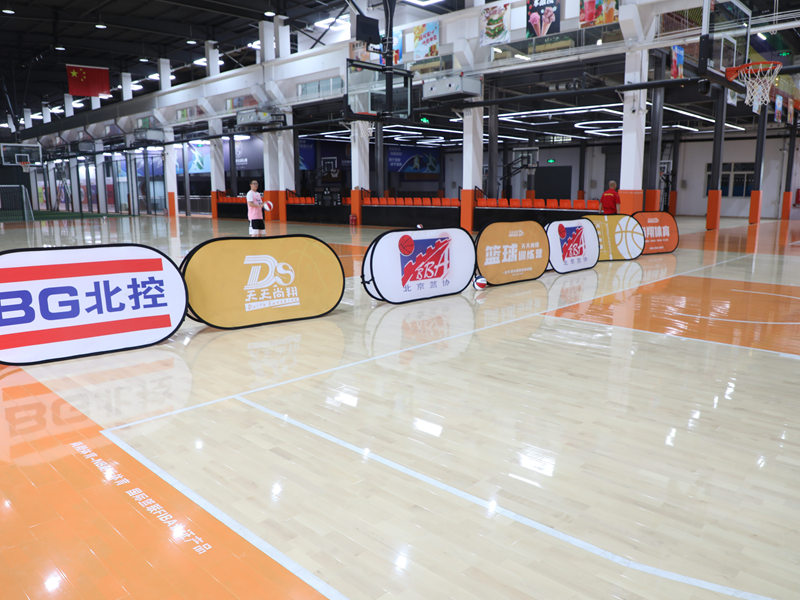
When facility managers evaluate different athletic flooring options, a detailed full-lifecycle cost comparison clearly shows that modular sports wood flooring delivers far better long-term value than traditional fixed wood systems.
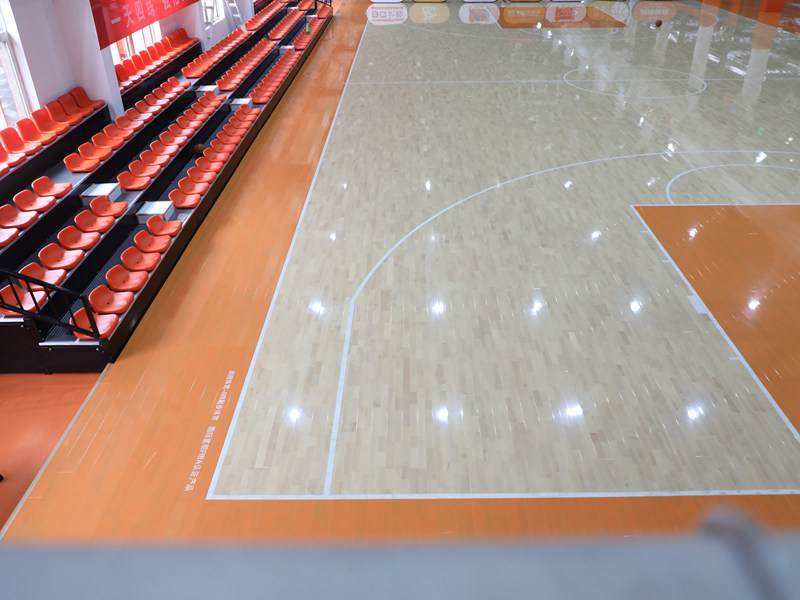
The initial material cost of a high-quality modular wood floor is typically very competitive with the cost of a basic mid-range fixed wood system, but the installation cost is drastically lower. A traditional fixed wood court requires a team of specialized professional installers working for 7-10 days, which adds thousands of dollars in labor costs to the total project budget. A modular system, by contrast, can be assembled by a small team of existing facility staff in less than a single work day, eliminating nearly all professional installation labor costs. This means the total upfront cost of a modular system is often 30-40% lower than the upfront cost of a comparable traditional fixed wood court. The savings continue to add up year after year during the floor’s service life. Traditional fixed wood floors require annual maintenance that includes sanding, re-varnishing, and line repainting, which can cost thousands of dollars every single year. Modular sports wood flooring has no such recurring costs; the pre-finished surface never needs sanding or refinishing, and the embedded court lines never fade or peel. The only regular expenses are basic cleaning supplies, which cost a tiny fraction of the annual maintenance budget for a traditional wood floor. When individual panels get damaged, replacing them costs less than 5% of the cost of resurfacing an entire traditional court. Over a 20-year lifespan, the total cost of owning and operating a modular sports wood flooring system can be less than half the total cost of owning a comparable traditional fixed wood floor. This exceptional value makes modular systems accessible to small community centers and local sports clubs that could never afford to install a professional traditional wood court.