Introduction
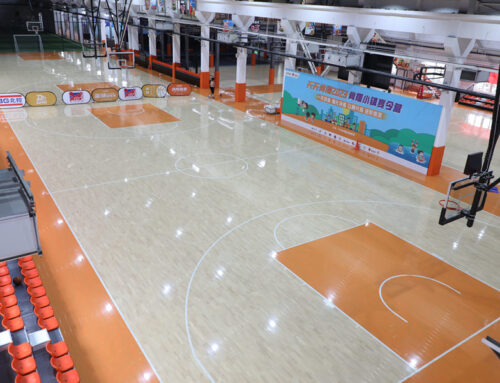
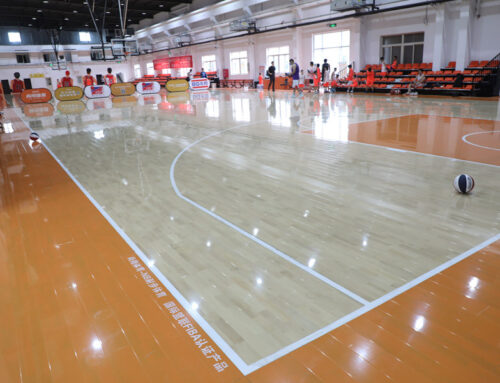
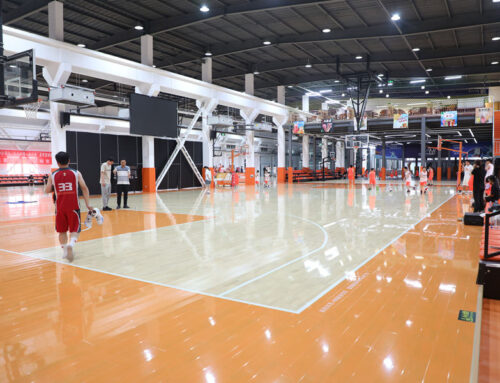
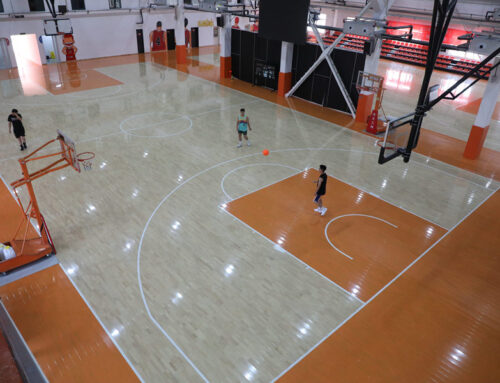
Indoor basketball court flooring has undergone a remarkable evolution over the years, transforming from simple wooden planks to sophisticated, high-performance surfaces designed to enhance player safety, performance, and overall experience. This article delves into the history, materials, and technological advancements that have shaped modern basketball court flooring, highlighting its critical role in the sport.
Historical Perspective
The origins of basketball court flooring can be traced back to the late 19th century when Dr. James Naismith invented the game. Initially, basketball was played on gymnasium floors made of hardwood, primarily maple, due to its availability and durability. Over time, as the sport gained popularity, the demand for better flooring solutions grew, leading to innovations in materials and construction techniques.
Materials Used
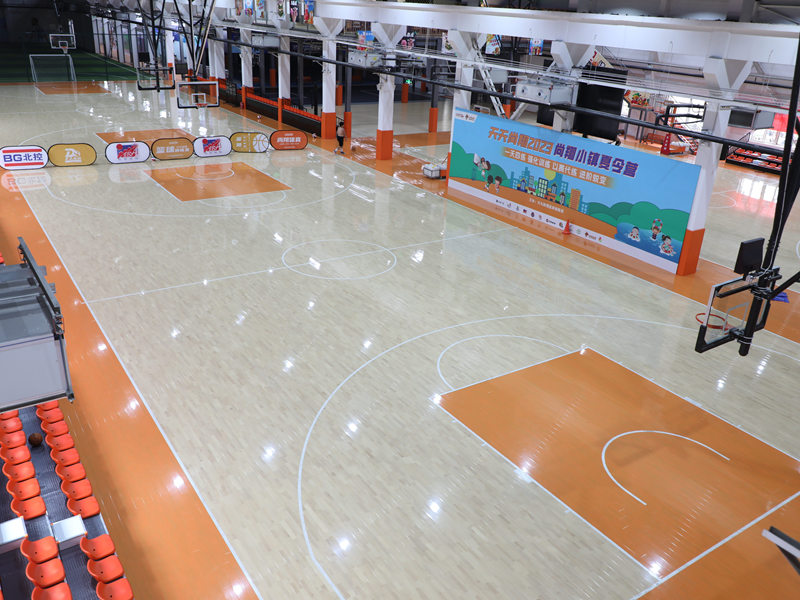
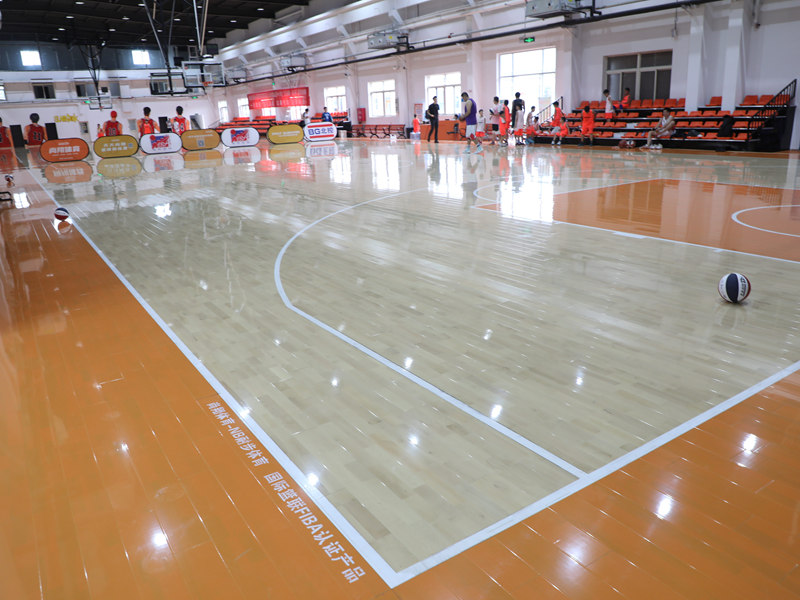
- Maple Hardwood: Maple remains the gold standard for indoor basketball court flooring due to its exceptional hardness, resilience, and aesthetic appeal. Its dense grain structure provides excellent shock absorption, reducing fatigue and injury risk for players. Maple’s natural luster also enhances the court’s visual appeal, creating an inviting atmosphere for both players and spectators.
- Synthetic Composites: With advancements in material science, synthetic composites have emerged as viable alternatives to traditional hardwood. These materials, often made from polyurethane or vinyl, offer enhanced durability, moisture resistance, and ease of maintenance. They can be engineered to mimic the look and feel of hardwood while providing superior shock absorption and slip resistance.
- Rubber Flooring: Rubber flooring is another popular choice, especially in multi-purpose facilities where basketball is just one of many activities. Rubber offers excellent shock absorption, reducing strain on players’ joints during intense games. It is also highly durable and resistant to scratches and scuffs, making it ideal for high-traffic areas.
Technological Advancements
- Shock Absorption Systems: Modern basketball court flooring incorporates advanced shock absorption systems, such as rubber underlays or foam layers, to distribute impact forces evenly across the surface. This reduces the risk of injuries and enhances player comfort, allowing them to perform at their best for extended periods.
- Anti-Slip Treatments: To ensure player safety, flooring manufacturers apply anti-slip treatments to the surface of the court. These treatments enhance traction, preventing slips and falls during quick movements and changes in direction. Regular maintenance, including cleaning and reapplication of anti-slip coatings, is essential to maintain optimal slip resistance.
- Customization Options: Advances in printing technology allow for the customization of basketball court flooring with team logos, colors, and other branding elements. This not only enhances the visual appeal of the court but also creates a unique identity for the facility.
Importance of Proper Flooring
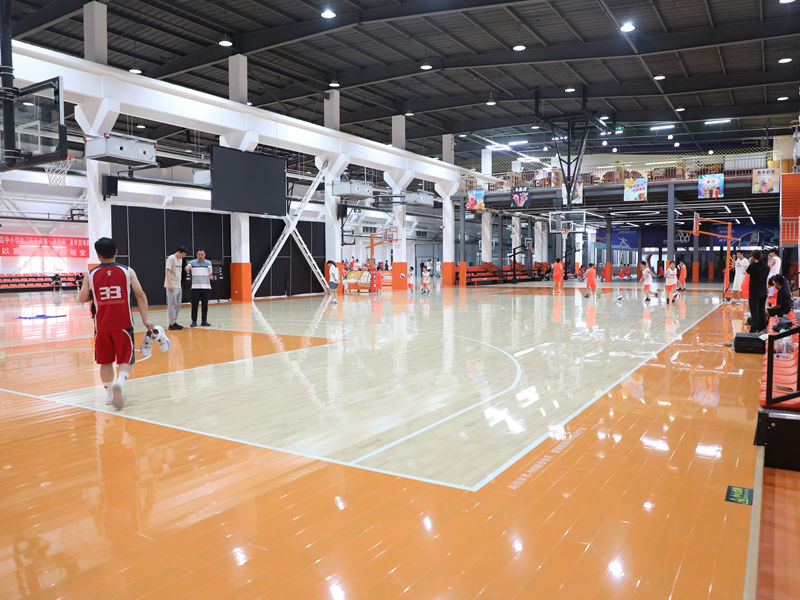
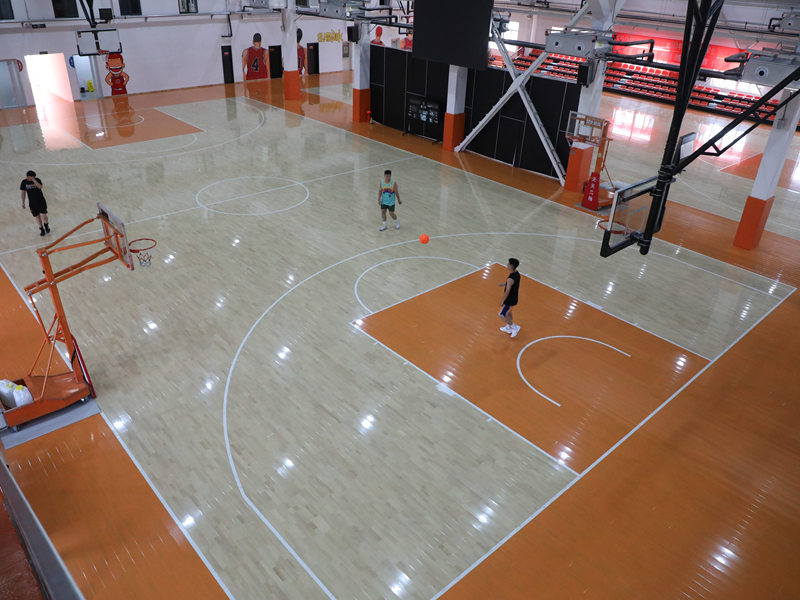
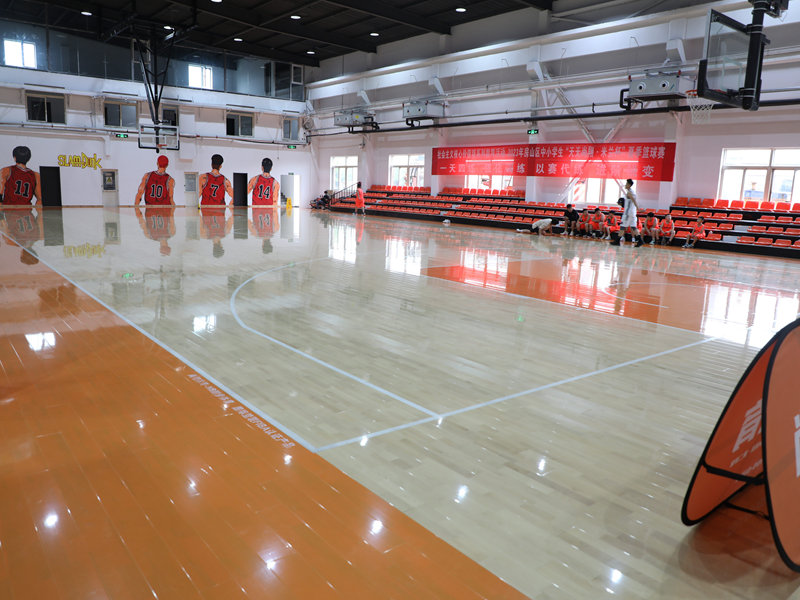
The choice of flooring material has a profound impact on player safety, performance, and overall experience. A well-maintained basketball court with high-quality flooring reduces the risk of injuries, enhances ball bounce consistency, and provides a comfortable playing surface. It also contributes to the facility’s aesthetic appeal, attracting more players and spectators.
Conclusion
Indoor basketball court flooring has come a long way since its humble beginnings. Today, a wide range of materials and technological advancements are available to create safe, durable, and visually appealing playing surfaces. As the sport continues to evolve, so too will the flooring solutions that support it, ensuring that players can enjoy the game to its fullest potential.