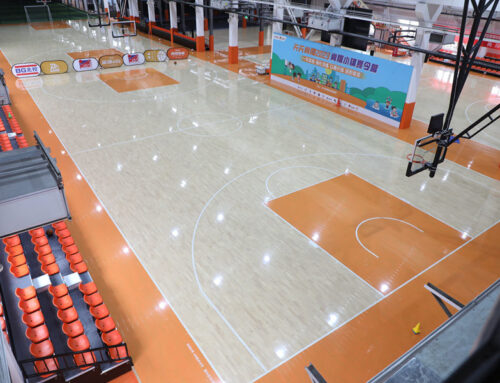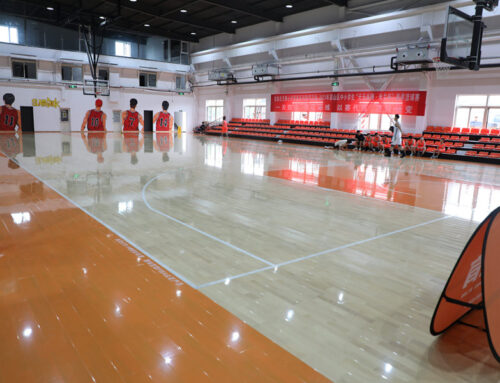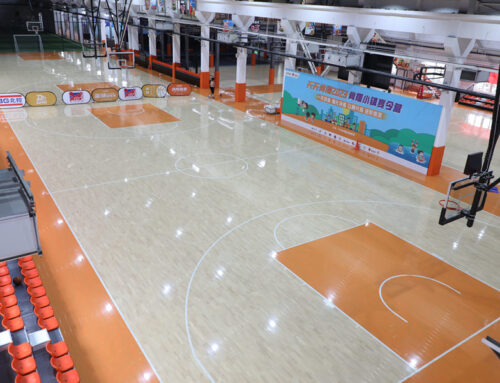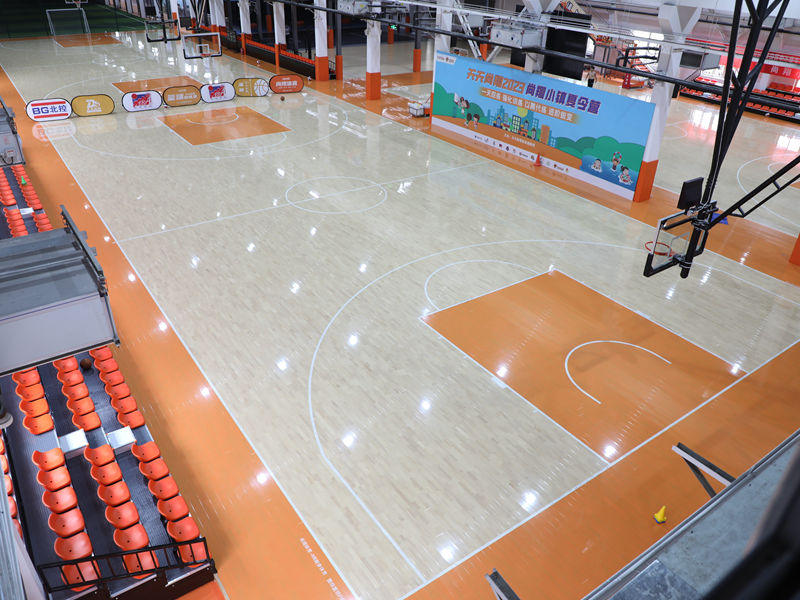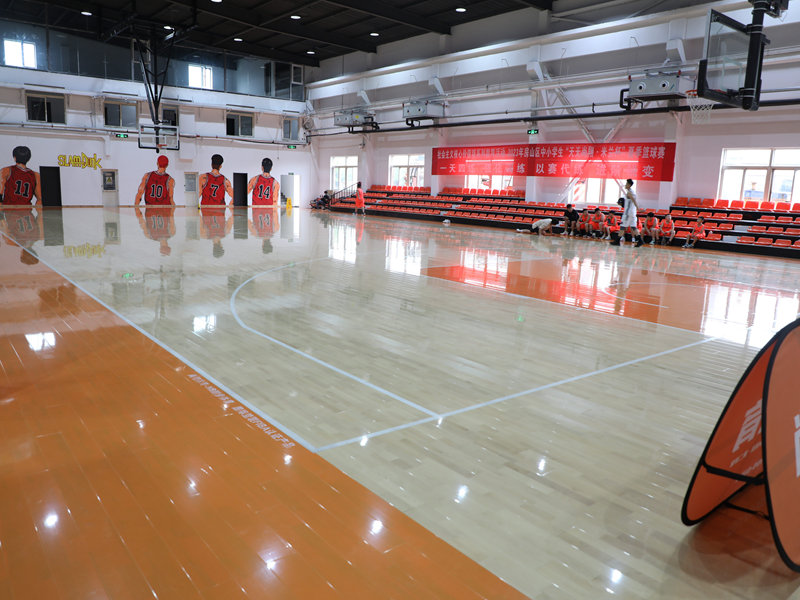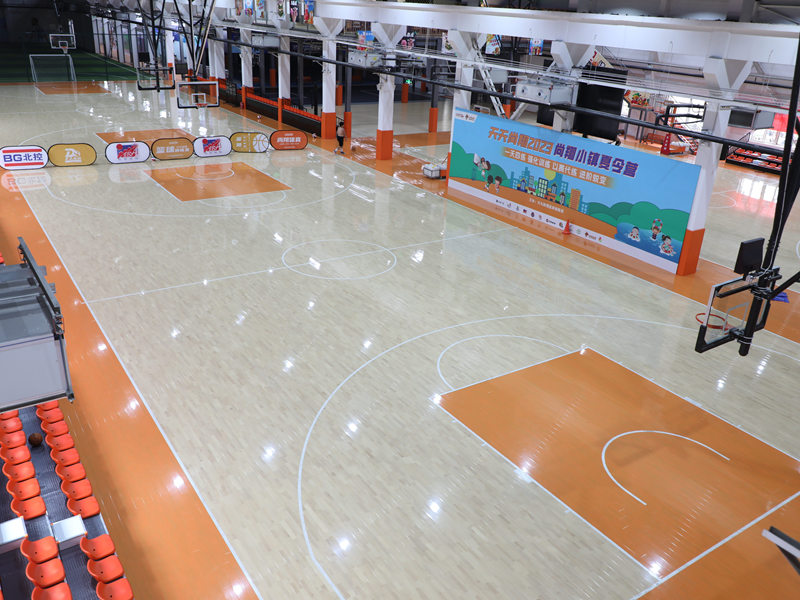
The longevity and consistent performance of a modular wood floor are directly tied to a disciplined, science-based maintenance regimen. Daily upkeep involves dry cleaning with microfiber mops or auto-scrubbers equipped with soft pads to remove abrasive particulates like dust and sand that can microscopically scratch the finish. For periodic deeper cleaning, a neutral-pH cleaner diluted in water is applied with a damp mop, ensuring no excess moisture is left on the surface, as standing water can penetrate seams and cause wood swelling. The indoor environment must be carefully controlled, with temperature maintained between 15°C and 25°C and relative humidity kept within 45% to 55%. This stable climate prevents the wood from expanding or contracting excessively, which could lead to gaps, cupping, or crowning.
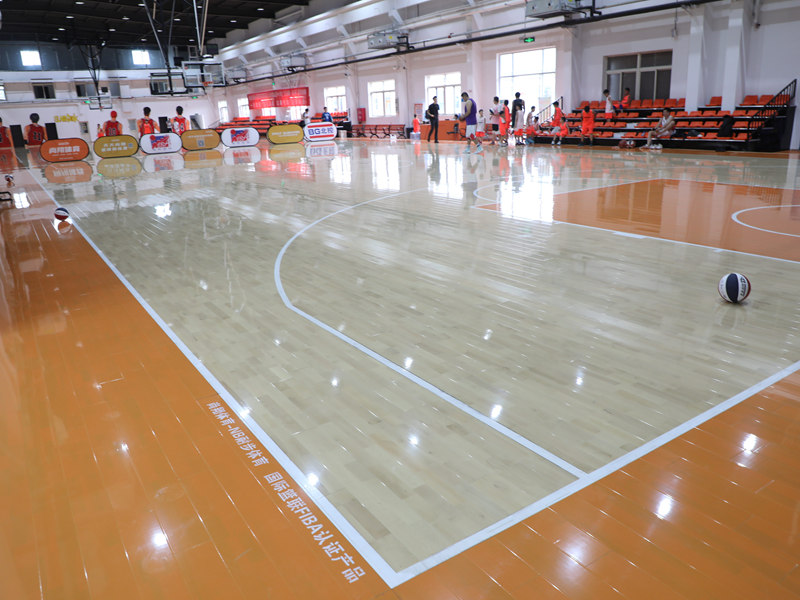
Quarterly maintenance includes a thorough inspection of the floor for loose boards, squeaks, or wear patterns, followed by a light screening and recoating if necessary. Screening involves abrading the existing finish with a fine-grit abrasive screen to create a bonding surface for a new topcoat of polyurethane, a process that restores slip resistance and appearance without a full sanding. Every three to five years, depending on usage, a full resurfacing may be required. This involves sanding off the entire worn finish and a thin layer of wood, then applying new sealant and finish coats. This process can be repeated multiple times over the floor’s lifespan, often exceeding 20 years. Additionally, protective measures like using entrance mats to trap debris and placing protective panels under heavy equipment during non-sporting events are essential to minimize surface damage.