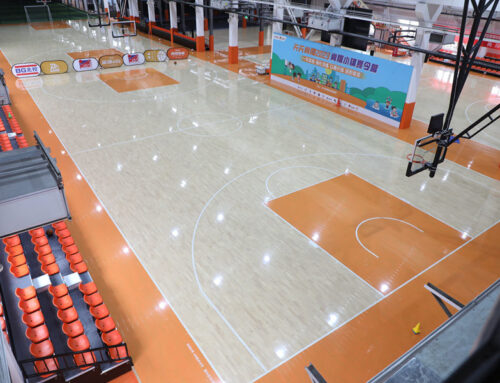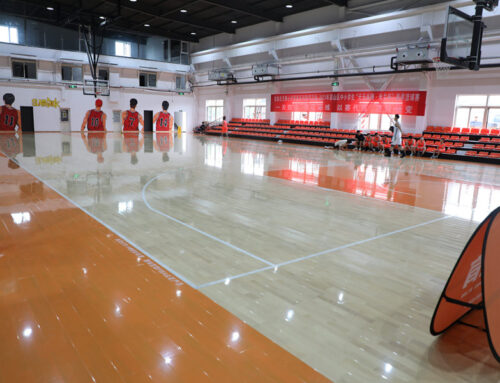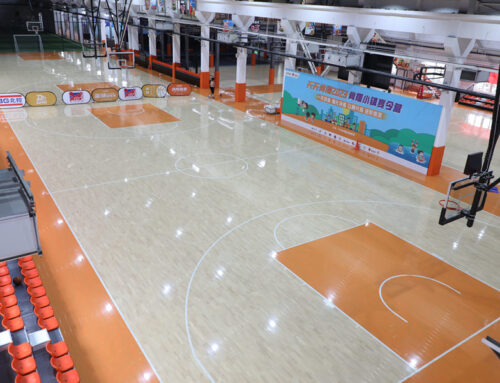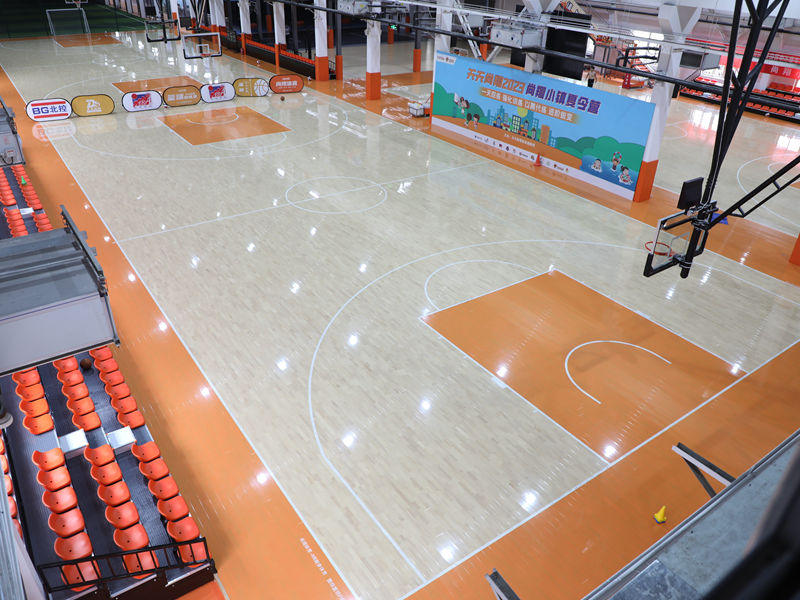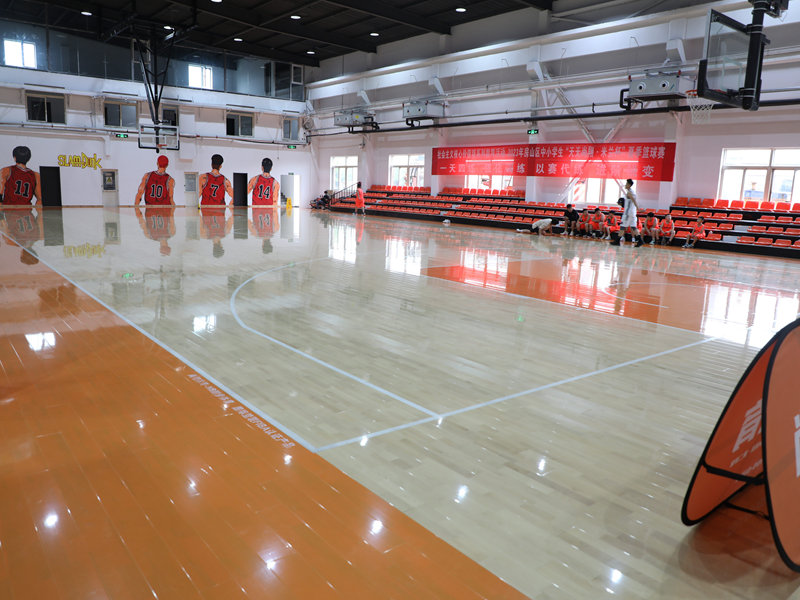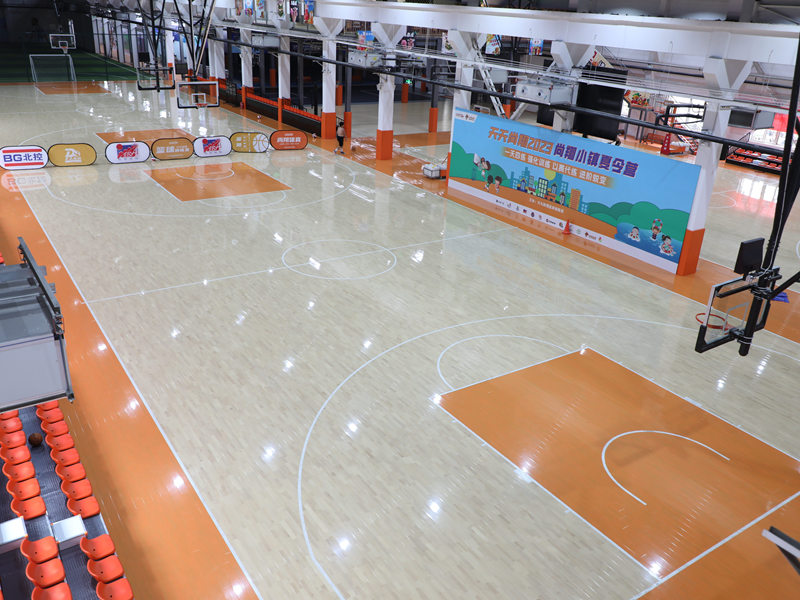
A professionally installed modular wood floor is engineered to meet stringent international safety and performance standards for indoor sports surfaces. Key metrics include shock absorption, vertical deformation, and ball rebound. The system is designed to absorb a significant percentage of impact force, reducing stress on athletes’ joints. Vertical deformation—the degree the surface deflects under load—is controlled to be sufficient for cushioning but not so much as to feel unstable, typically between 2 and 5 millimeters under a standard impact test. Ball rebound consistency is also critical; a standard basketball dropped from 1.8 meters should rebound to a height of at least 90% of its rebound on concrete, with minimal variation across the court.
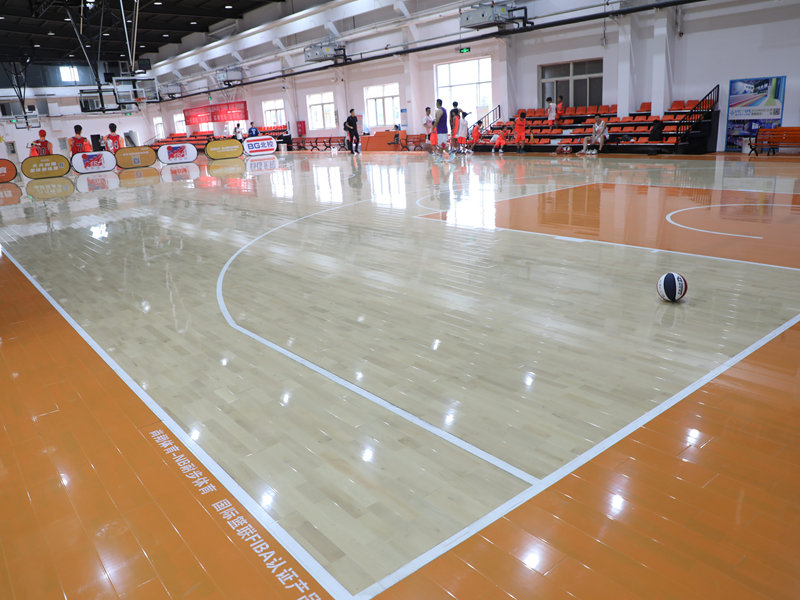
Beyond basketball, the floor’s design allows for safe adaptation to other sports like volleyball or badminton, often by adding temporary or permanent line markings in different colors. For event use, such as concerts or exhibitions, protective floor coverings made of heavy-duty felt or polypropylene are rolled out to shield the wood surface from heavy equipment and foot traffic. The floor’s inherent load-bearing capacity, derived from its distributed support grid, allows it to withstand the weight of stages and bleachers without permanent deformation. This versatility, combined with its proven safety profile, makes it a preferred choice for multi-purpose community centers, schools, and professional arenas where athlete protection, performance, and facility utility are paramount.