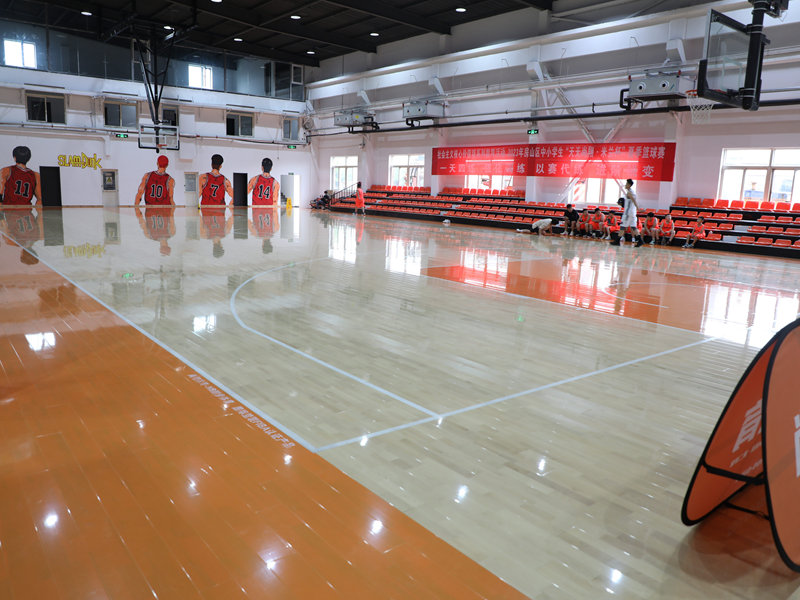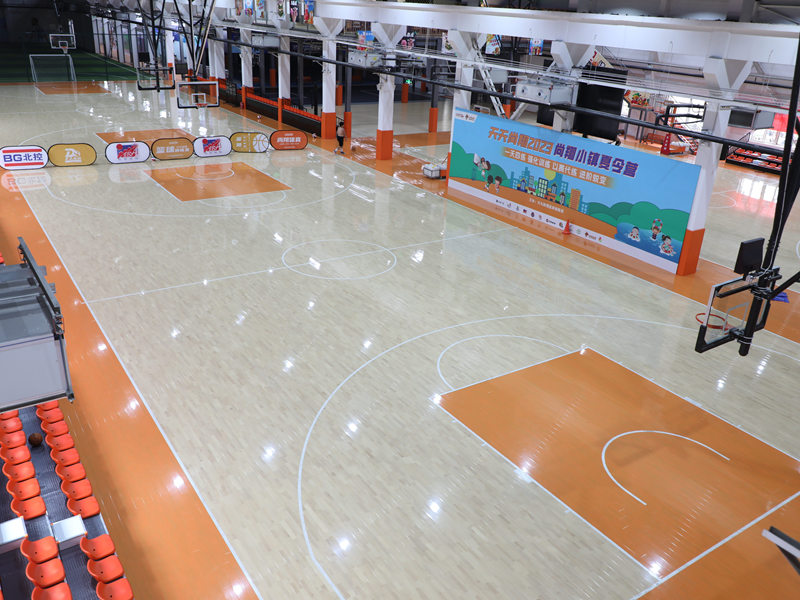
Not all indoor sports are the same, and neither are their flooring requirements. While indoor sports wooden flooring is a versatile material that can be used for a wide range of sports, each sport has its own specific performance needs that must be met. In this article, we will explore how wooden flooring is tailored for different sports.
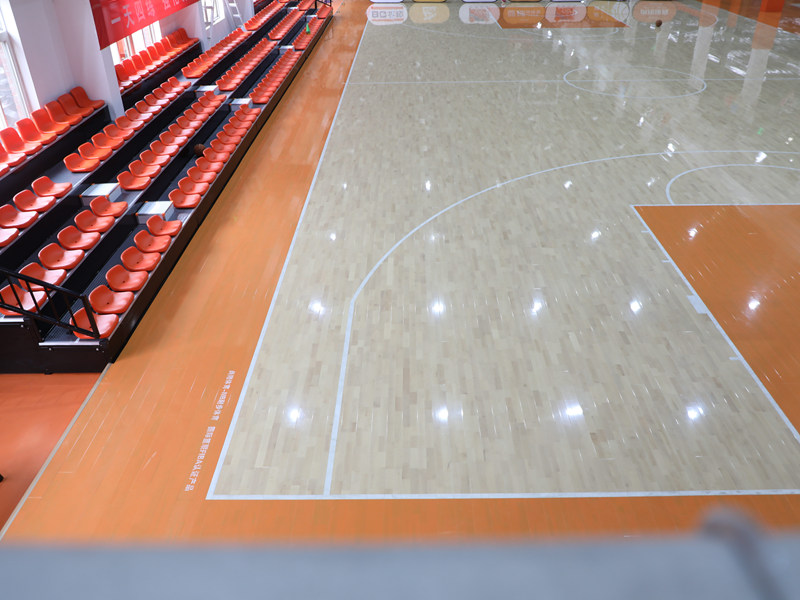
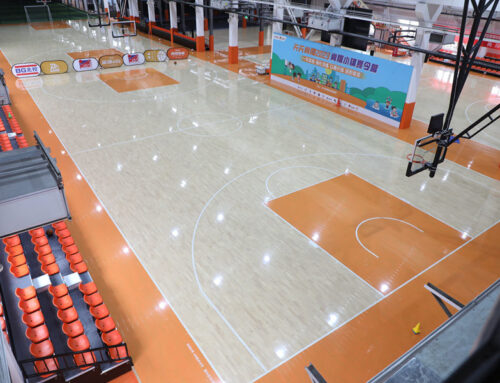
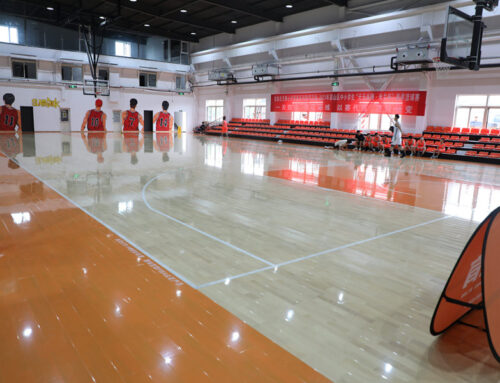
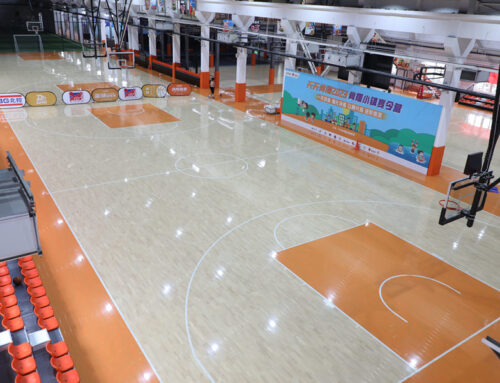
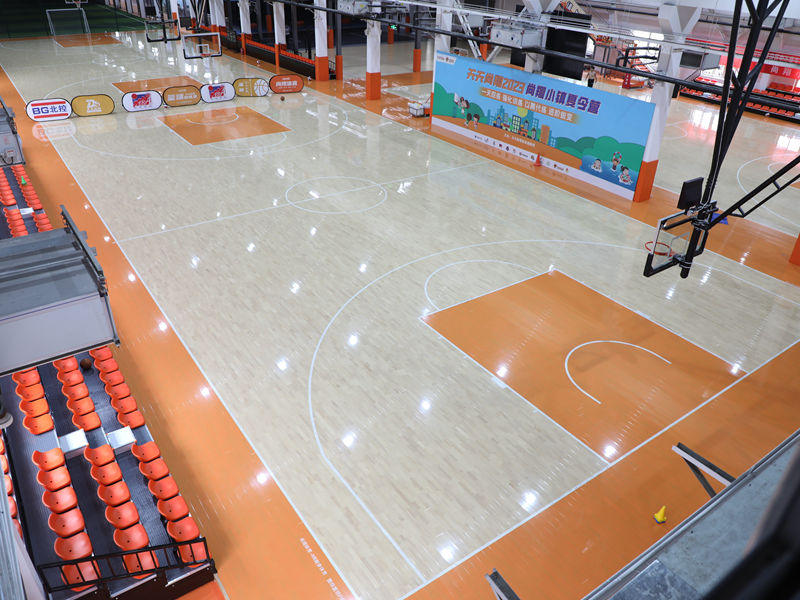
Basketball is perhaps the sport most closely associated with wooden flooring. The NBA has used maple hardwood floors since the league’s inception, and the standard for basketball floors is well-established. A basketball floor must have a minimum shock absorption of 53 percent, a ball rebound of at least 90 percent, and a rolling load capacity that can support the weight of players and equipment. The finish is typically a high-gloss lacquer that provides a consistent, smooth surface for ball dribbling and player movement. The color of the floor is usually a light, natural maple tone, which provides good contrast with the orange basketball and makes it easy for players to see the ball.
Volleyball also requires a wooden floor, but the specifications are slightly different from basketball. Volleyball floors must have good shock absorption to protect players’ knees and ankles, as volleyball involves a lot of jumping and diving. The ball rebound is less critical than in basketball, but the floor must still provide a consistent surface for player movement. The finish for volleyball floors is often a matte lacquer or oil, which provides better grip for the quick lateral movements that are common in the sport.
Badminton is a sport that requires a very specific type of wooden floor. The floor must have excellent grip to prevent players from slipping during the rapid lunges and slides that are characteristic of the sport. The finish is typically a matte oil or a specialized sports finish that provides maximum traction. The shock absorption requirements are lower than in basketball or volleyball, but the floor must still provide some cushioning to protect the joints. The color of the floor is usually a light tone, which provides good contrast with the shuttlecock.
Handball is another sport that benefits from a wooden floor. The floor must have good shock absorption and ball rebound, similar to basketball. The finish is typically a lacquer that provides a smooth, consistent surface for the ball to bounce on. The rolling load capacity must be high, as handball involves a lot of running and quick direction changes.
Table tennis requires a very specialized floor. The floor must be extremely flat and smooth, as even small imperfections can affect the ball’s bounce. The shock absorption is less important than the flatness, and the finish is typically a matte lacquer that does not create glare. The color is usually a dark blue or green, which provides good contrast with the white ball.
Multi-purpose halls require a floor that can accommodate multiple sports. This is typically achieved by using a versatile floor with moderate shock absorption, good ball rebound, and a finish that provides adequate grip for all sports. The floor may have removable line markings for different sports, allowing the same space to be used for basketball, volleyball, badminton, and more.
Fitness and dance studios also use wooden flooring, but the requirements are different from traditional sports. The floor must provide good shock absorption to protect the joints during high-impact exercises, and it must have a smooth, consistent surface for dance movements. The finish is often an oil or a matte lacquer that provides a natural, warm appearance.
In conclusion, indoor sports wooden flooring is a highly adaptable material that can be customized to meet the specific needs of virtually any indoor sport. By understanding the unique requirements of each sport and working with a knowledgeable flooring specialist, facility owners can ensure that their floor provides optimal performance for every activity.