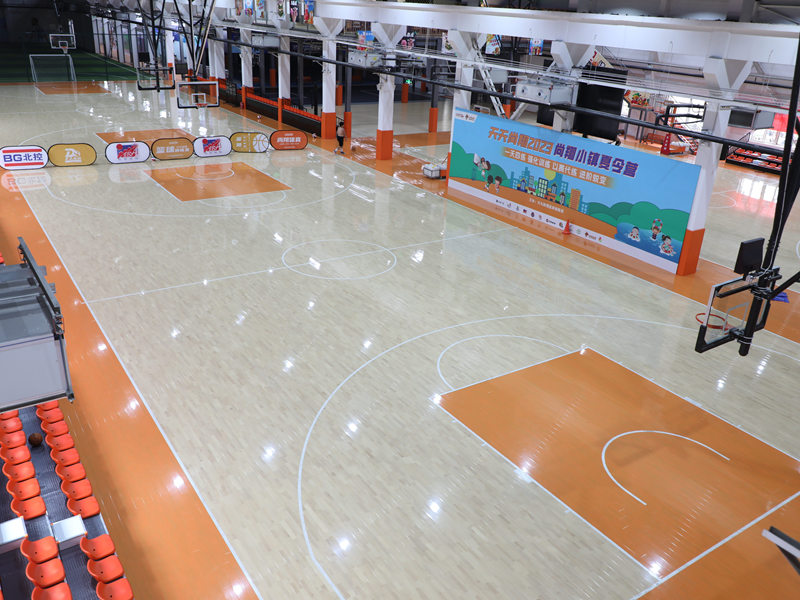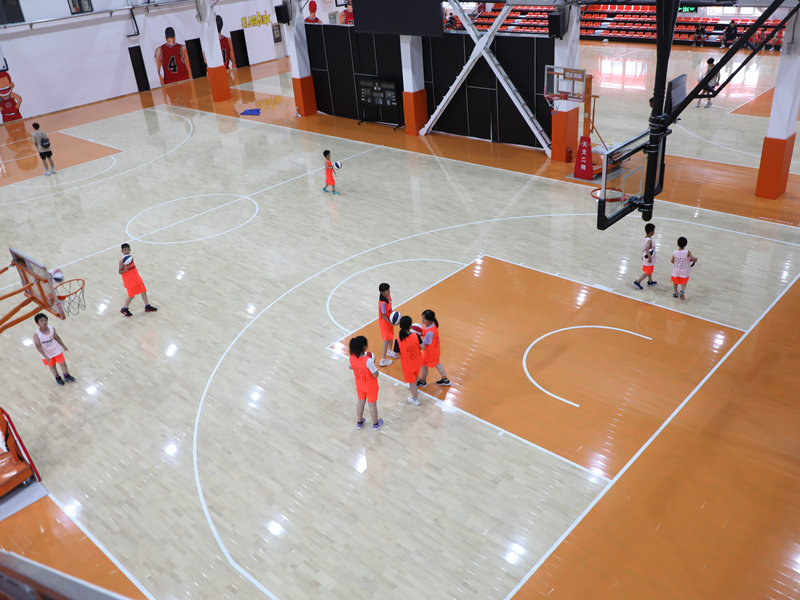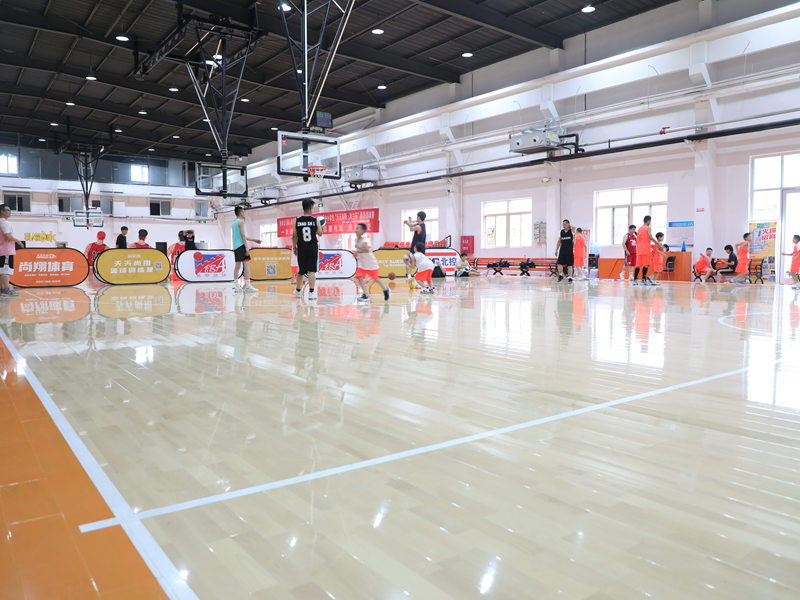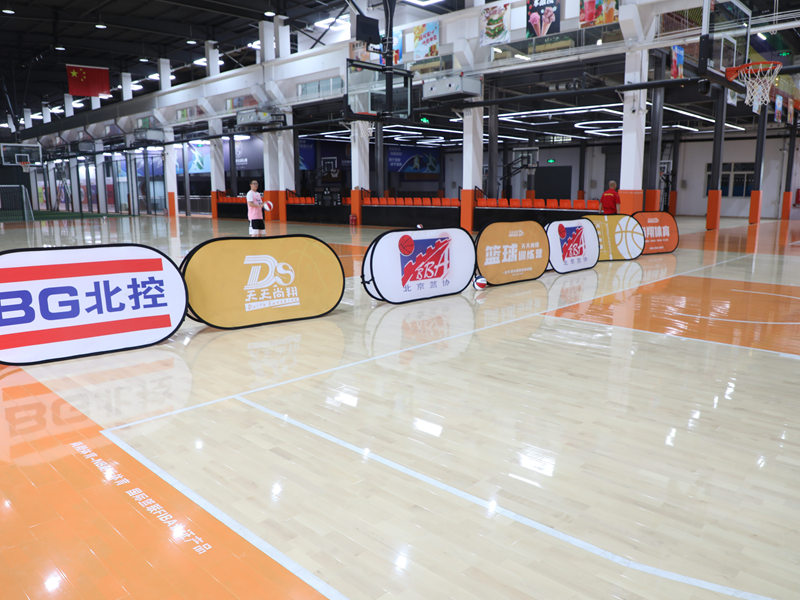
In an era of increasing environmental awareness, the sustainability of indoor sports wooden flooring is a topic that deserves serious attention. The good news is that wood, when sourced and manufactured responsibly, is one of the most environmentally friendly flooring options available.
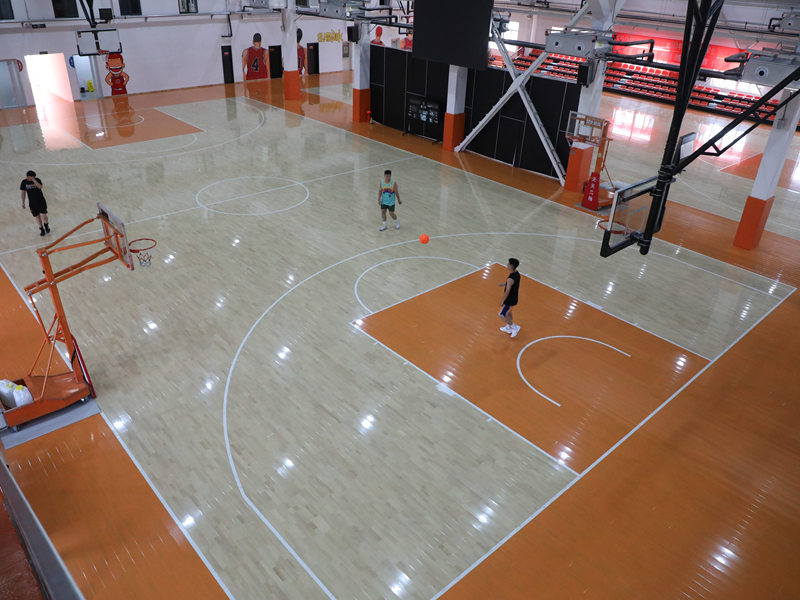
Wood is a renewable resource. Trees can be replanted and harvested on a sustainable cycle, making wood a far more eco-friendly choice than synthetic materials derived from petroleum. Most quality indoor sports wood floors are made from hardwoods sourced from sustainably managed forests, certified by organizations such as the Forest Stewardship Council (FSC) or the Programme for the Endorsement of Forest Certification (PEFC). These certifications ensure that the wood comes from forests where biodiversity is protected, water resources are managed responsibly, and local communities are treated fairly.
The manufacturing process for wood flooring also has a relatively low environmental impact compared to synthetic alternatives. Producing PVC or rubber flooring requires significant amounts of energy and generates more greenhouse gas emissions. Wood flooring, by contrast, stores carbon — the carbon that the tree absorbed during its lifetime remains locked in the wood, effectively sequestering it from the atmosphere.
One environmental concern with wood flooring is the use of finishes and adhesives. Traditional solvent-based finishes contain volatile organic compounds (VOCs) that can contribute to indoor air pollution. However, modern water-based polyurethane finishes have dramatically reduced VOC levels, and many products now meet strict environmental standards such as GREENGUARD Gold certification. When selecting a wood floor, it is important to choose low-VOC finishes to minimize the environmental and health impact.
At the end of its life, wood flooring is biodegradable and can be recycled or repurposed. Synthetic floors, on the other hand, often end up in landfills where they can take hundreds of years to decompose. The ability to sand and refinish a wood floor multiple times also extends its lifespan, reducing the need for replacement and the associated environmental cost.
Of course, no material is perfectly sustainable. The transportation of wood from forests to manufacturing facilities to installation sites generates carbon emissions. The energy used in sanding and finishing also has an environmental cost. But when you look at the full lifecycle — from raw material to end of life — indoor sports wooden flooring has a significantly smaller environmental footprint than most synthetic alternatives.
For facility managers who prioritize sustainability, indoor sports wooden flooring is a strong choice. It combines high performance with a responsible environmental profile, making it possible to build world-class sports facilities without compromising on ecological values.