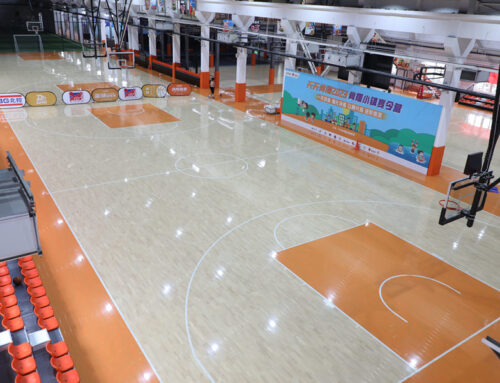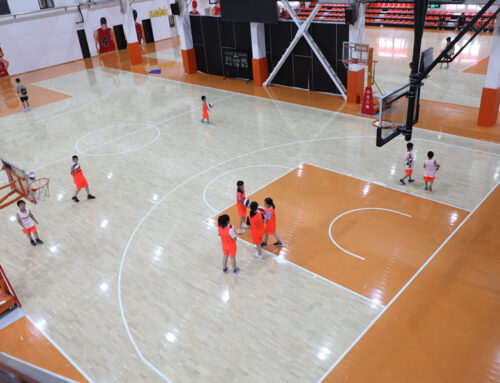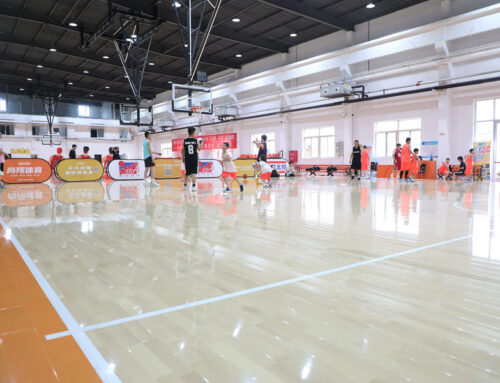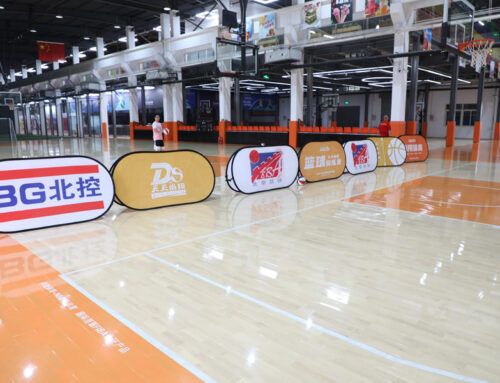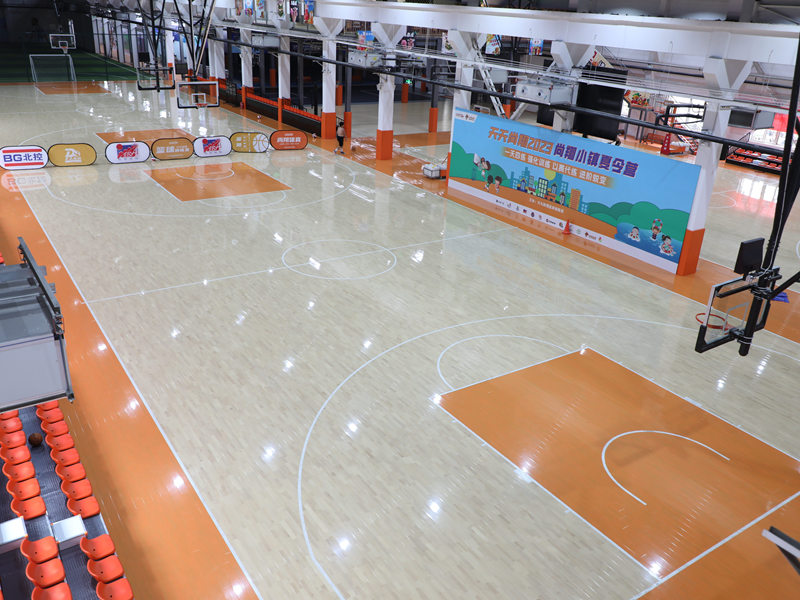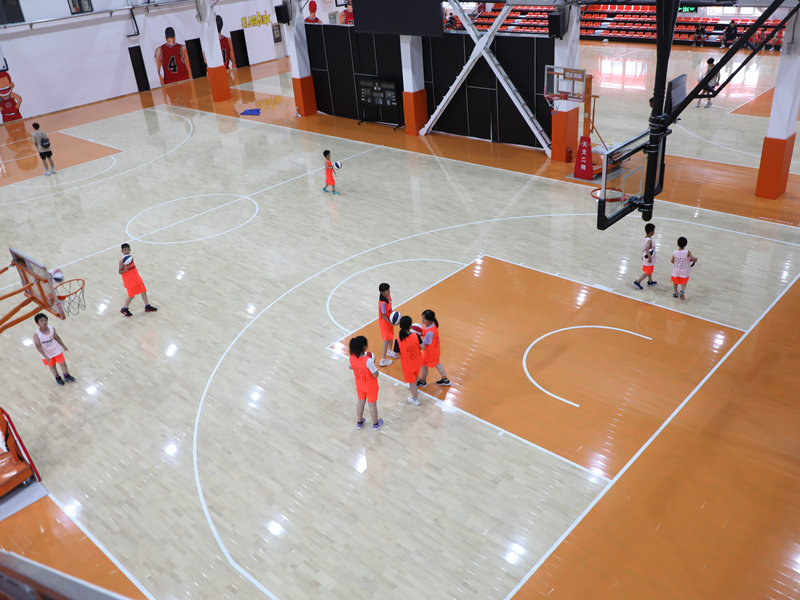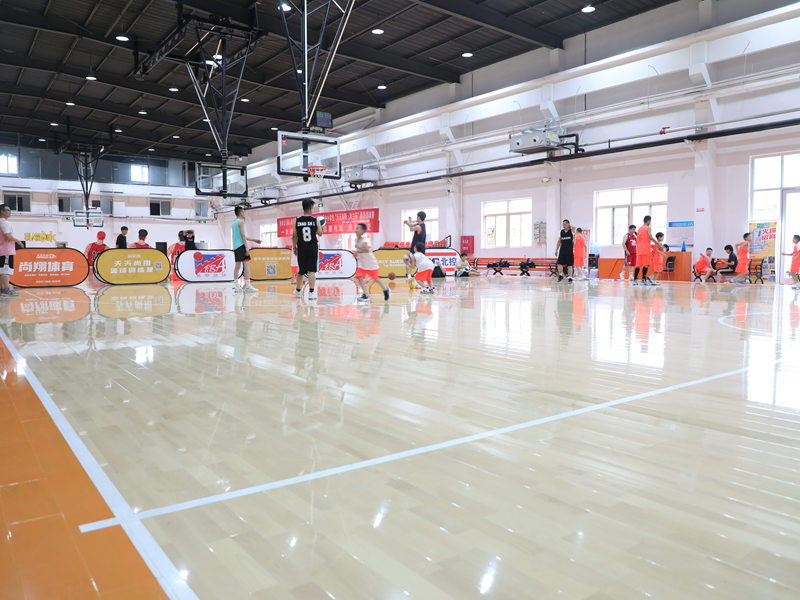
The idea of installing a portable indoor sports wooden floor without professional help is tempting. The word portable implies easy, and many product descriptions suggest that installation is a straightforward task. But is DIY installation really feasible, and what do you need to know before attempting it?
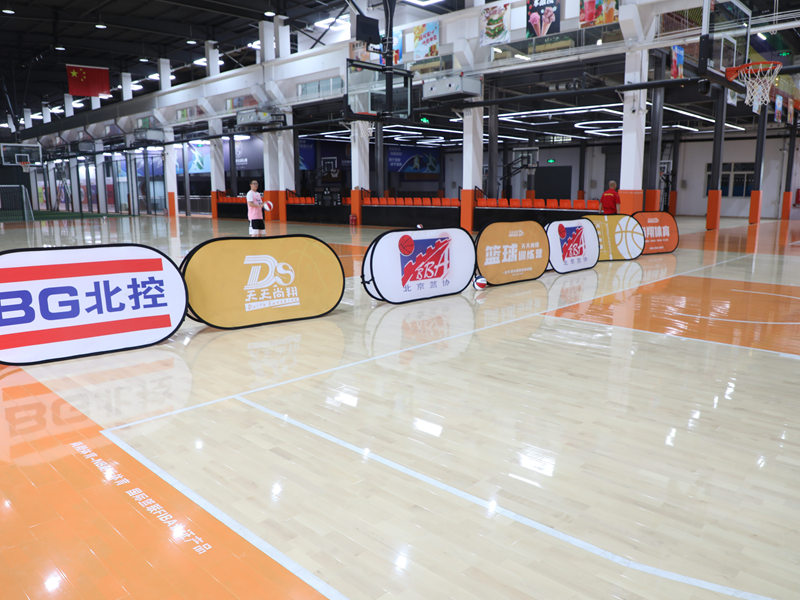
The Short Answer: Yes, But With Effort
Most portable floor systems are designed for installation by non-professionals. The connection systems are intuitive, and the subframe assembly is mechanical rather than technical. However, doing it yourself requires time, physical effort, and attention to detail.
What You Need
A crew of at least four people is recommended. Two people can technically install a small court, but it will take significantly longer and the quality may suffer. You will need basic tools: a rubber mallet for seating panels, a circular saw or jigsaw for cutting, a tape measure, a level, and a drill if the subframe requires assembly.
The Process
Start by laying out the subframe and leveling it carefully. This is the most important step and the one most likely to be rushed by DIY installers. A poorly leveled sub a tournament can charge premium room rates and event fees. A church that hosts a regional tournament collects registration fees and donations.
Conservatively, a portable floor that enables just two or three revenue-generating events per year can pay for itself within three to five years. For organizations that host events regularly, the payback period can be even shorter.
Operational ROI: Space Utilization
Multipurpose facilities with portable floors use their space more efficiently. A gymnasium that can switch between sports and other uses generates more value per square foot than one dedicated solely to sports. This increased utilization is a form of ROI that does not appear on a spreadsheet but is felt in every decision about facility use.
Health ROI: Athlete Performance and Injury Prevention
A quality sports floor reduces the risk of injury. Ankle sprains, knee strain, and stress fractures are all less likely on a properly maintained sports surface. For training facilities and schools, this means fewer injuries, lower liability, and healthier athletes. The cost of a single serious injury, including medical expenses and lost playing time, can exceed the cost of the floor itself.
Program ROI: Expanded Participation
When a school or community center can offer professional-grade sports surfaces, more people participate. Increased participation leads to better health outcomes, stronger community ties, and higher satisfaction among members. These benefits are difficult to quantify but are real and lasting.
Comparison ROI: Portable vs. Permanent
As detailed in earlier articles, portable floors cost less to install, less to maintain, and less to replace than permanent floors. Over a ten-year period, the total cost of ownership for a portable system is typically thirty to fifty percent lower than a comparable permanent system. The savings come from lower installation costs, reduced maintenance, targeted panel replacement, and the ability to generate revenue from multipurpose use.
Intangible ROI: Flexibility and Peace of Mind
Perhaps the most valuable return on investment is intangible. Knowing that your facility can adapt to any need, host any event, and reconfigure at any time provides a peace of mind that no permanent floor can match. This flexibility is an asset that appreciates over time as your needs evolve.
The Bottom Line
Portable indoor sports wooden flooring is not an expense. It is an investment that pays returns in revenue, space utilization, athlete safety, program growth, and operational flexibility. For any organization that uses sports facilities, the ROI is not just positive, it is compelling.