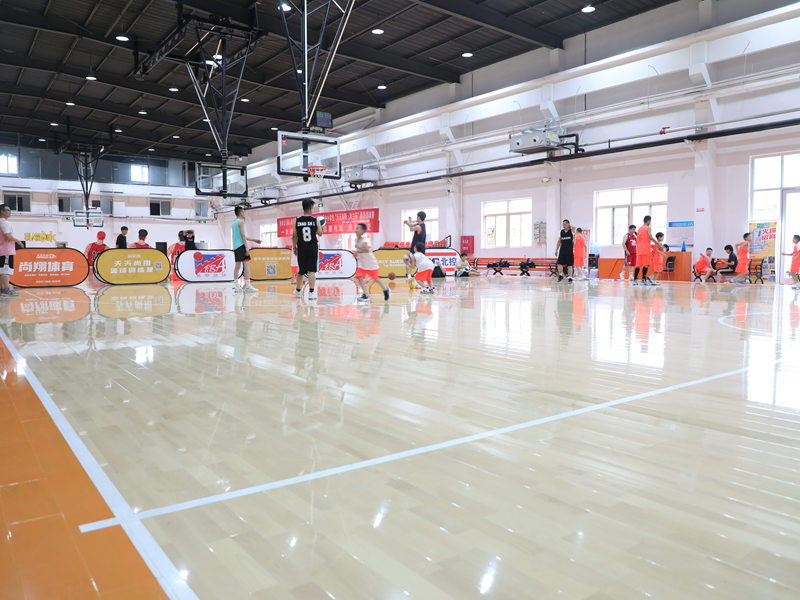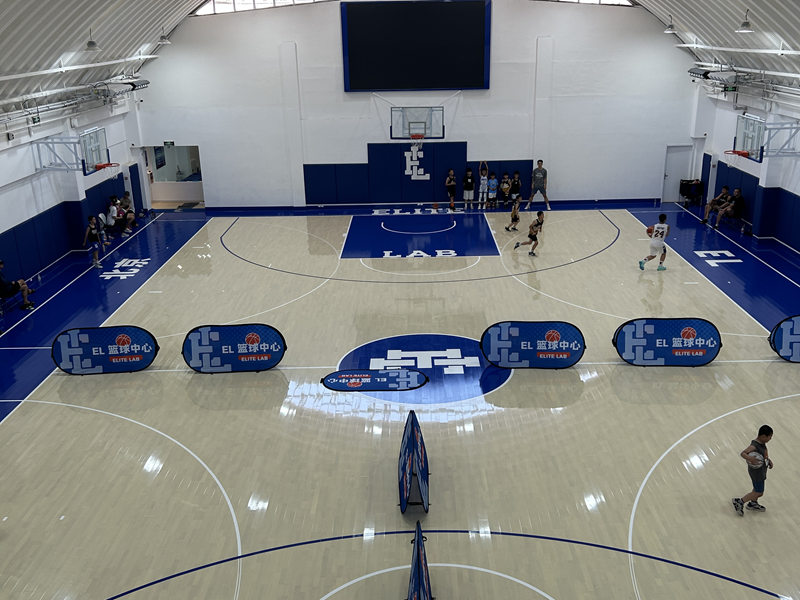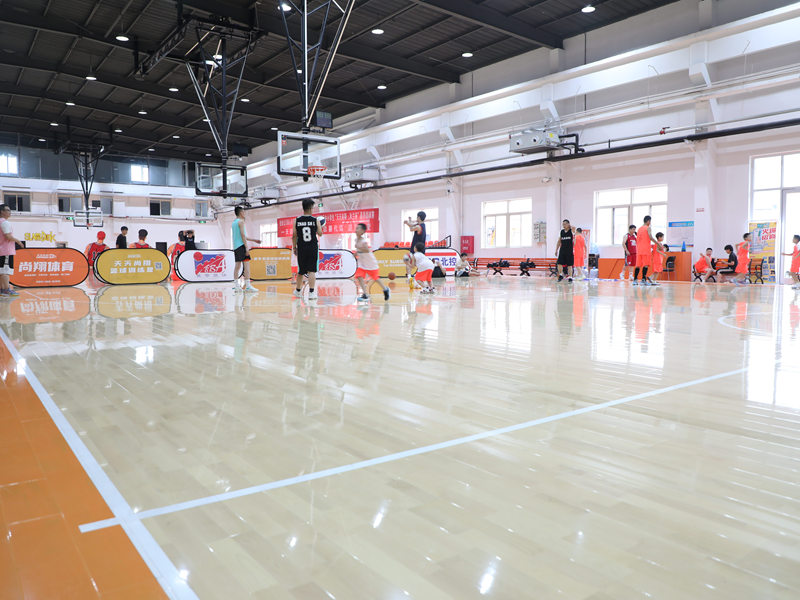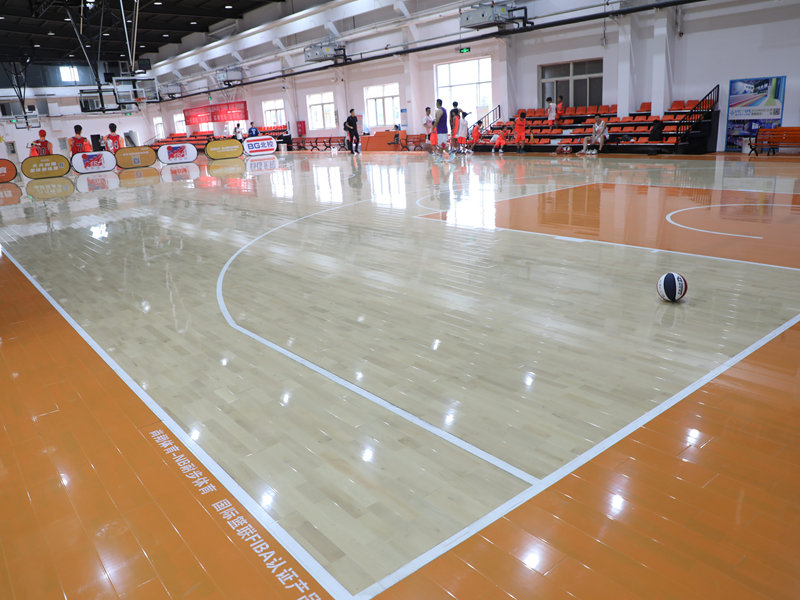
With so many options available, choosing the right interlocking wooden flooring for your indoor basketball court can feel overwhelming. However, if you focus on a few key factors, the decision becomes much simpler. This article provides a step-by-step guide to help you select the perfect floor for your needs.
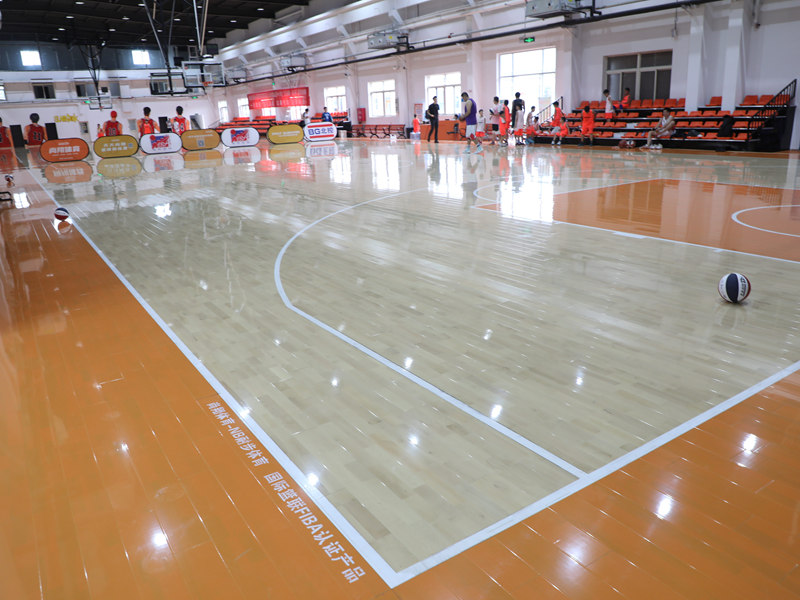
The first factor to consider is the wood species. The most common choices for basketball courts are maple, oak, and beech. Maple is the most popular because it is extremely hard, has a fine grain that provides excellent ball response, and has a light, clean appearance. Oak is slightly softer but has a beautiful grain pattern and a warm tone. Beech is similar to maple in hardness and is often used in European courts. For most applications, maple is the safest and most versatile choice.
The second factor is the panel thickness. Thicker panels generally provide better durability and a more premium feel, but they also cost more. A thickness of 18 to 22 millimeters for the wood layer is standard for basketball courts. The total panel thickness, including the base layer, is typically between 25 and 35 millimeters.
The third factor is the core material. As discussed earlier, the core determines the shock absorption and energy return of the floor. Polypropylene honeycomb is the most common and provides a good balance of cushioning and responsiveness. Rubber cores offer more shock absorption but slightly less ball response. Choose based on whether you prioritize player protection or ball performance.
The fourth factor is the finish. Matte finishes reduce glare and are practical for play. Satin finishes offer a balance between appearance and function. Gloss finishes look the most impressive but can be slippery under certain lighting conditions. For a competitive court, matte or satin is recommended. For a recreational or showcase court, gloss may be preferred.
The fifth factor is the certification. Look for flooring that meets the standards set by relevant sports organizations. These certifications ensure that the floor has been tested for ball bounce, shock absorption, friction, and other performance criteria. While we are not mentioning any specific brands, you should always ask for test reports and certifications from the supplier.
The sixth factor is the warranty. A good warranty indicates the manufacturer’s confidence in their product. Look for a warranty of at least five years on the surface and ten years on the structure. Some manufacturers offer even longer warranties.
By evaluating these six factors, you can narrow down your options and select an interlocking wooden floor that is perfectly suited to your court, your budget, and your performance requirements.