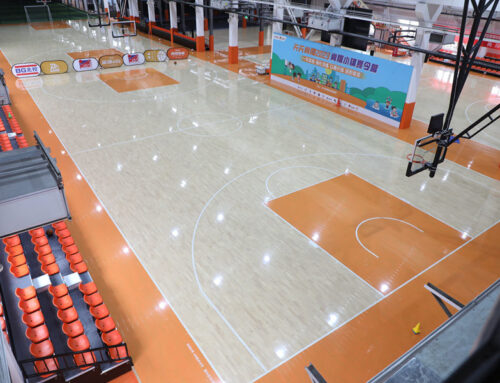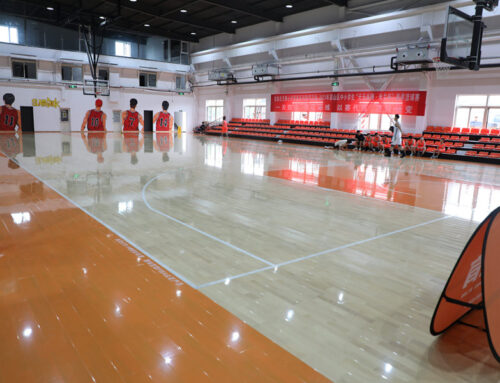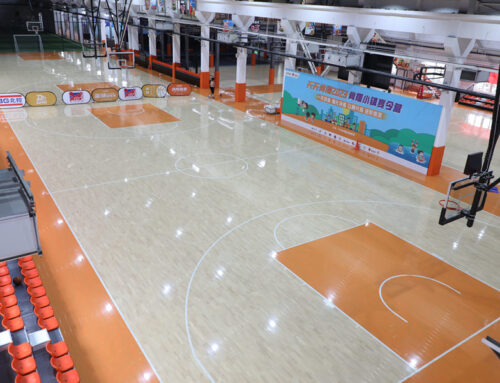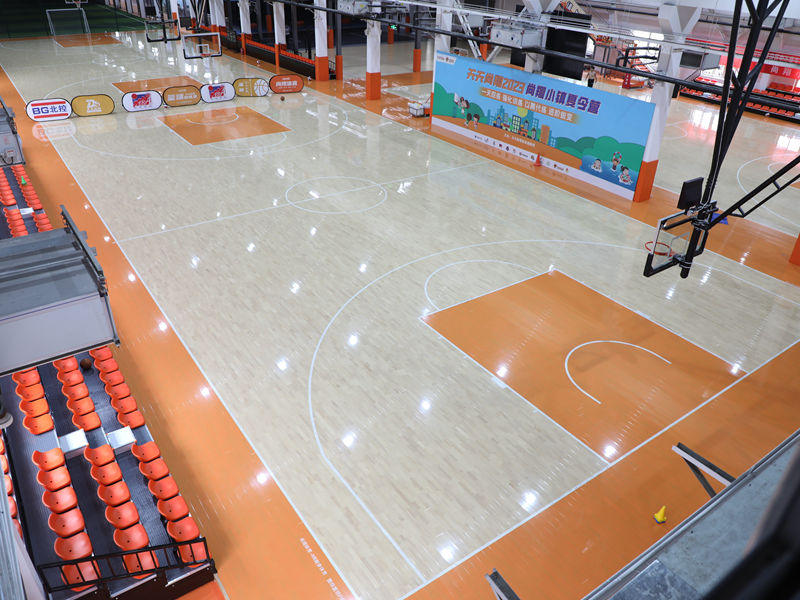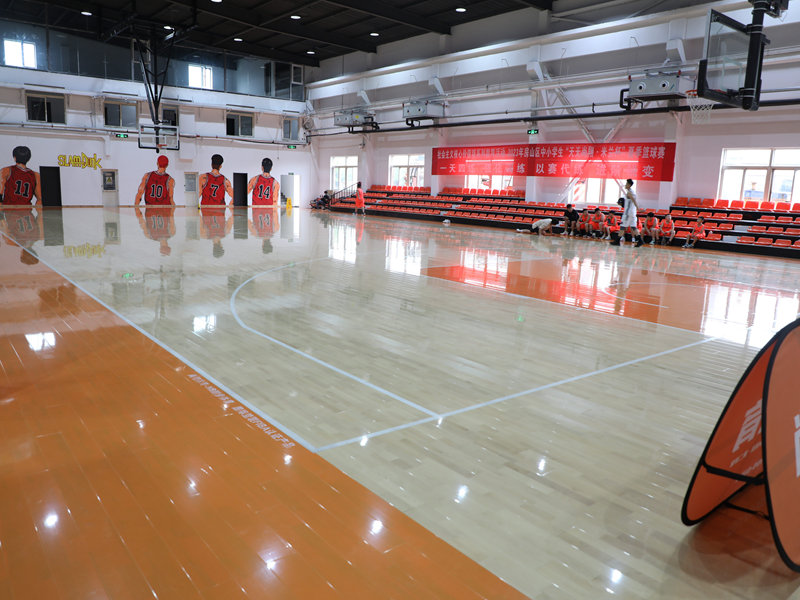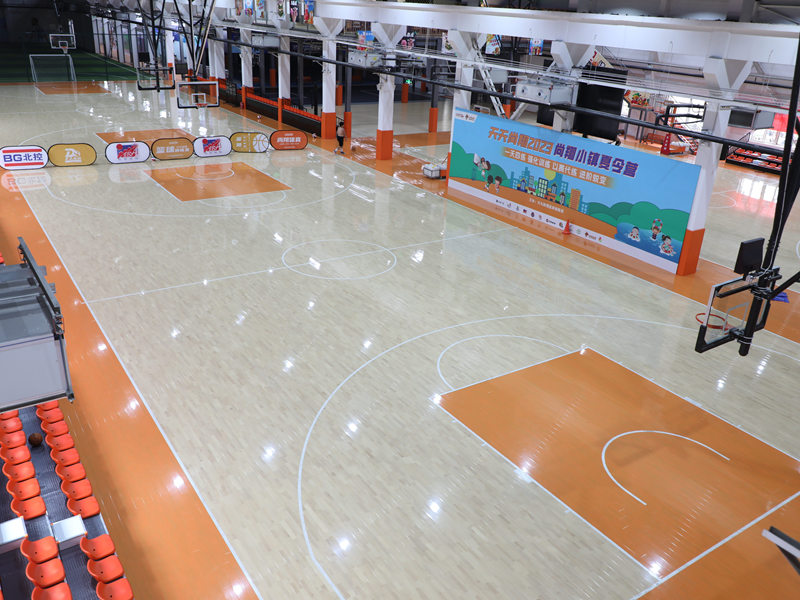
The relationship between flooring and player performance is well-documented in sports science research. The surface a player competes on affects everything from ball handling to injury risk to fatigue levels. Portable basketball court wood flooring, when properly selected and maintained, can have a measurably positive impact on performance. Let us examine the mechanisms.
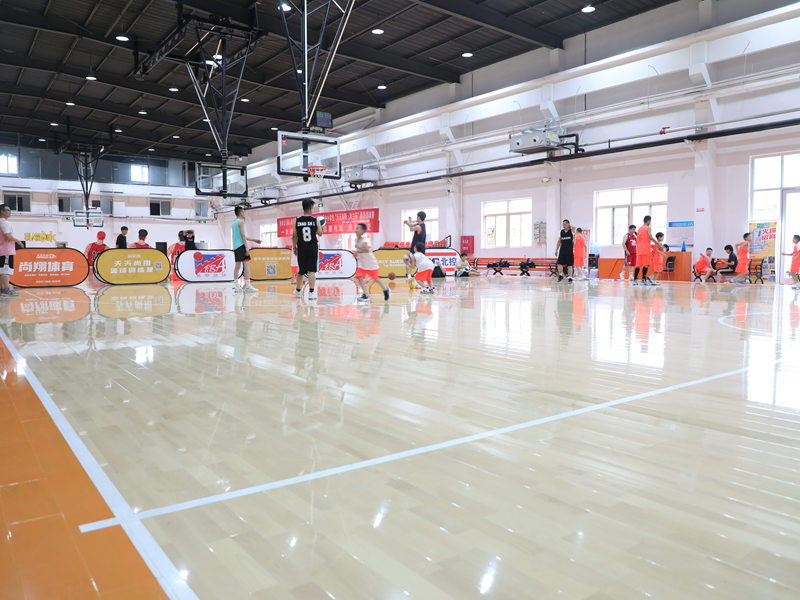
Ball handling is the most direct connection between flooring and performance. A consistent, predictable ball bounce allows players to develop muscle memory for dribbling, passing, and shooting. Surfaces with inconsistent bounce force players to constantly adjust, which slows reaction time and reduces accuracy. High-quality portable wood flooring provides bounce consistency that is within the official range, giving players the same confidence they would have on a permanent hardwood court.
Traction affects a player’s ability to accelerate, decelerate, and change direction. In basketball, the ability to make a sharp cut or stop on a dime is often the difference between a made shot and a turnover. A floor with the right coefficient of friction allows players to push off explosively without slipping. Portable wood flooring with a matte finish and proper maintenance provides excellent traction for the quick lateral movements that define the game.
Injury prevention is perhaps the most significant performance factor. A floor with good shock absorption reduces the cumulative impact on joints, allowing players to maintain their performance level over the course of a full game or practice session. Studies show that players on hard surfaces without adequate shock absorption experience significantly higher rates of knee and ankle injuries. Portable systems with 20mm or greater thickness and optional underlayment provide shock absorption that meaningfully reduces injury risk.
Fatigue is the silent performance killer. A floor that absorbs too much energy feels dead and forces players to work harder for every movement. A floor that returns too little energy feels harsh and accelerates muscle fatigue. The ideal floor finds the sweet spot between energy absorption and energy return. Modern portable wood flooring, with its hardwood core and engineered construction, achieves this balance effectively.
Confidence is an intangible but real factor. Players perform better on surfaces they trust. If a player feels that the floor will behave consistently, they play with more aggression and creativity. If they are worried about slipping or uneven bounce, they play conservatively. Investing in high-quality portable flooring sends a message to your players that their performance and safety matter.
The bottom line is that flooring is not just a surface. It is an active component of the playing environment that directly influences how well your players perform. Portable basketball court wood flooring, when chosen correctly, is a performance enhancer, not a compromise.