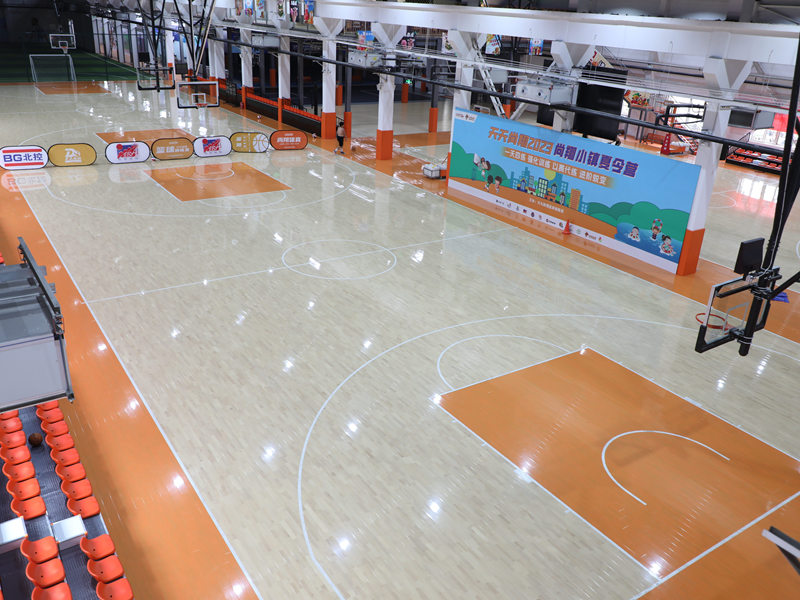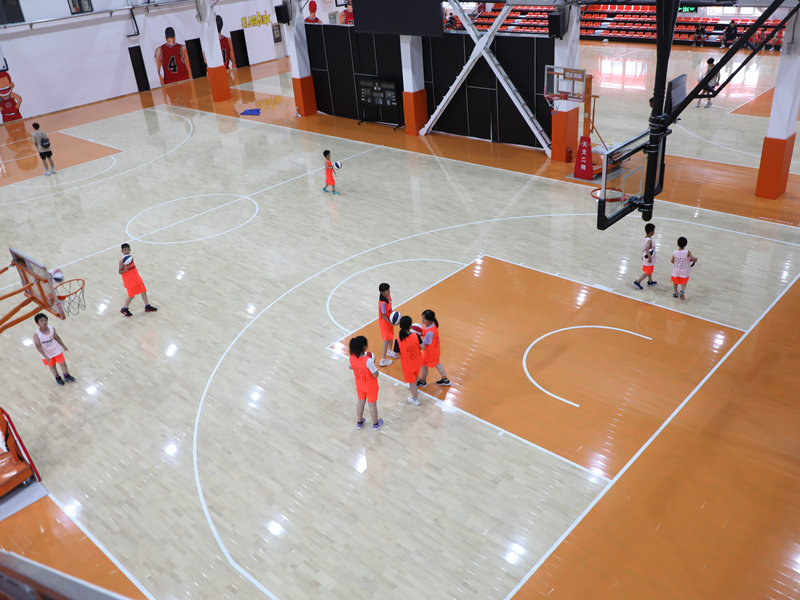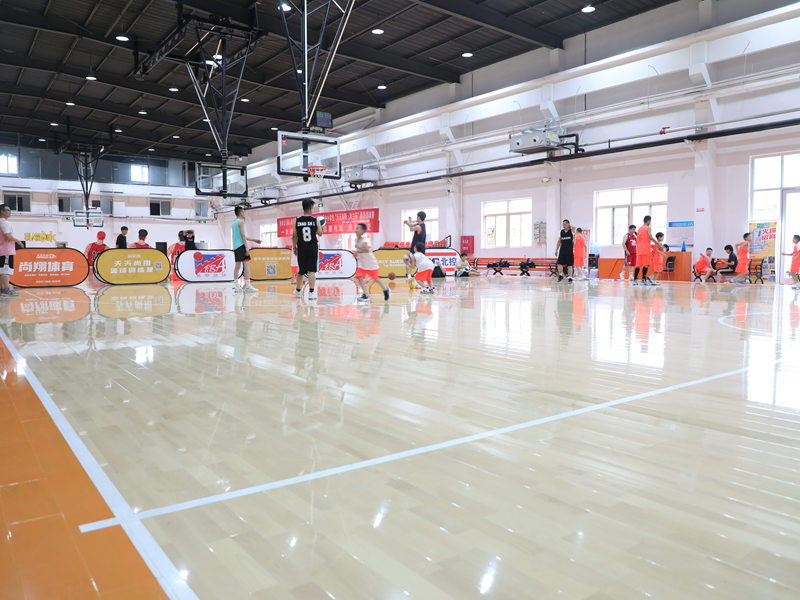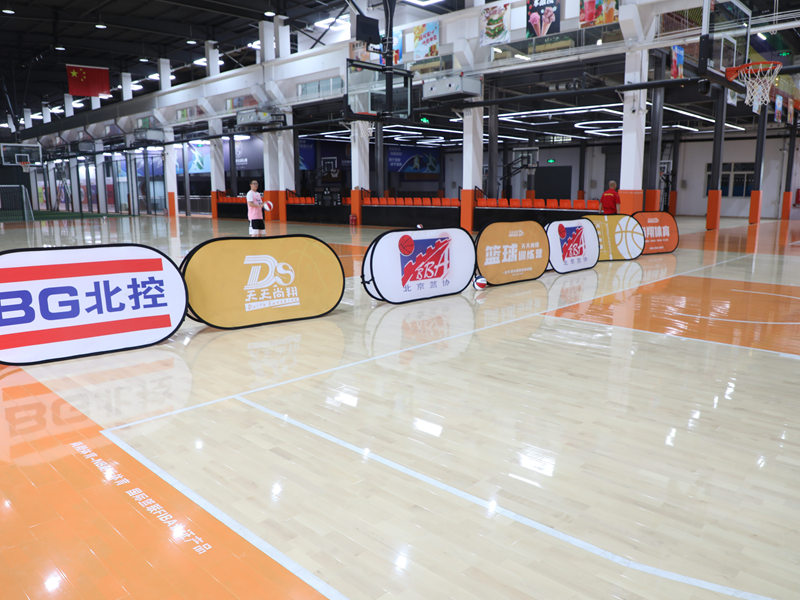
Installing a wood floor for an indoor basketball court is a complex process, and even experienced contractors can make mistakes that compromise the performance and longevity of the floor. Here are the most common mistakes to avoid.
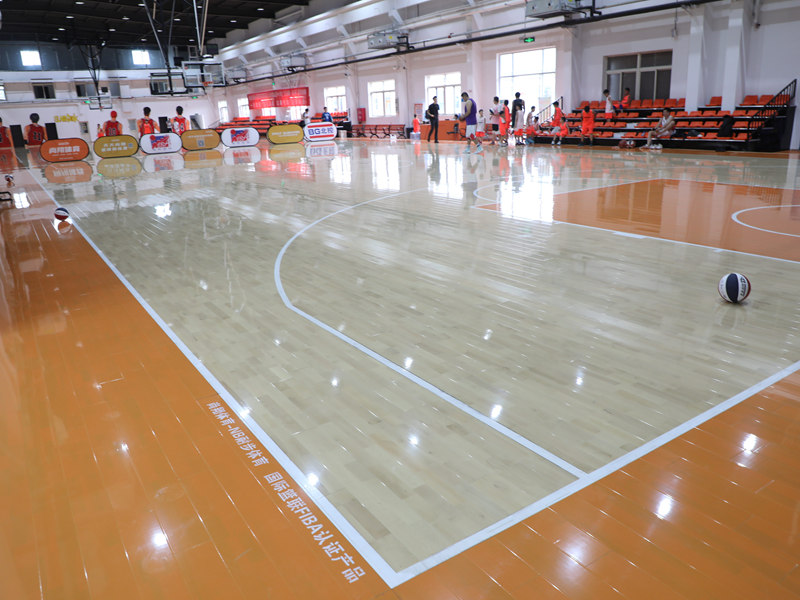
The first and most common mistake is inadequate subfloor preparation. If the subfloor is not perfectly level, the finished floor will have inconsistent ball bounce. If the subfloor has excess moisture, the wood will warp and cup. If the subfloor is not strong enough, it will deflect under load, causing the floor to feel spongy. Take the time to prepare the subfloor properly, or pay the price later.
The second mistake is skipping the acclimatization period. Wood must be allowed to acclimate to the temperature and humidity of the facility before installation. If this step is skipped, the wood can expand or contract after installation, causing gaps, cupping16: The Environmental Impact of Indoor Basketball Court Wood Flooring
In an era of increasing environmental awareness, it is important to consider the ecological footprint of indoor basketball court wood flooring. The good news is that, compared to many synthetic alternatives, wood flooring can be a surprisingly sustainable choice, provided it is sourced and maintained responsibly.
The primary environmental consideration is the source of the wood. Wood is a renewable resource, but only if it is harvested sustainably. Look for flooring that is certified by organizations such as the Forest Stewardship Council (FSC) or the Programme for the Endorsement of Forest Certification (PEFC). These certifications ensure that the wood comes from responsibly managed forests where trees are replanted at a rate equal to or greater than the rate of harvest.