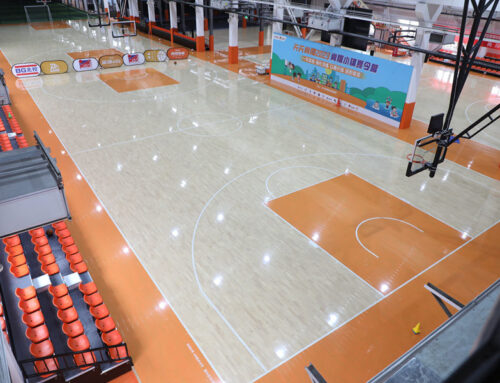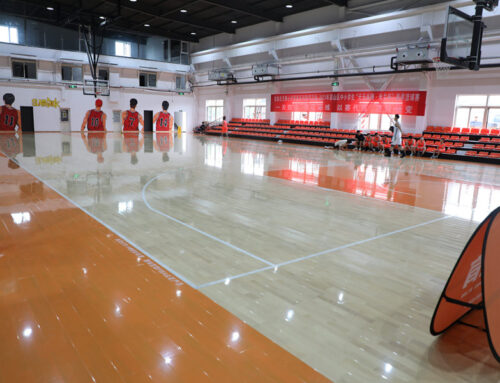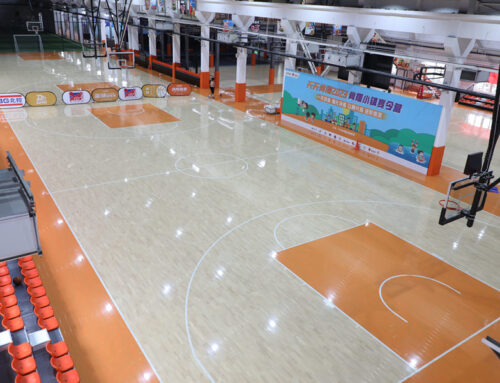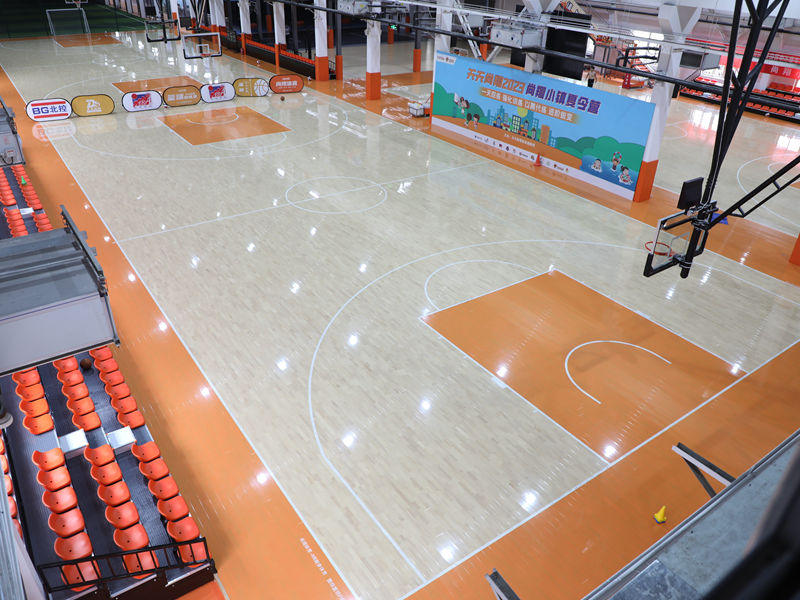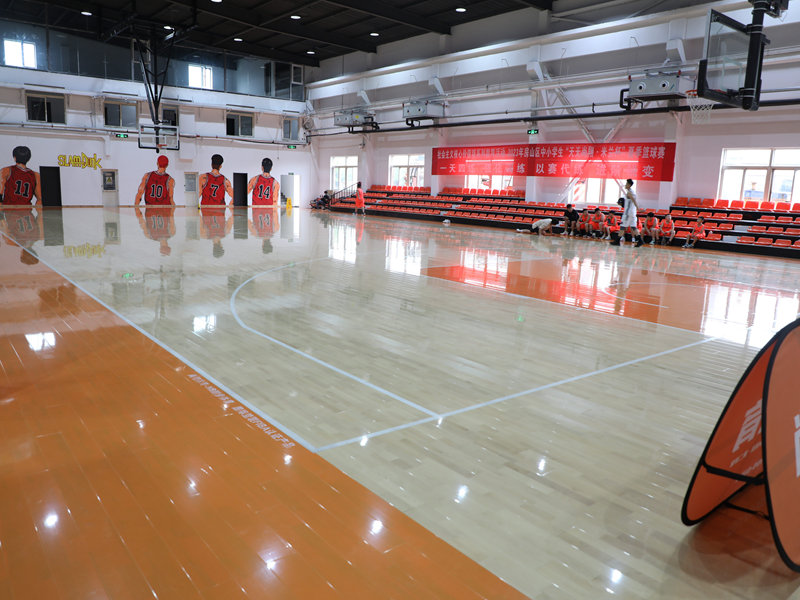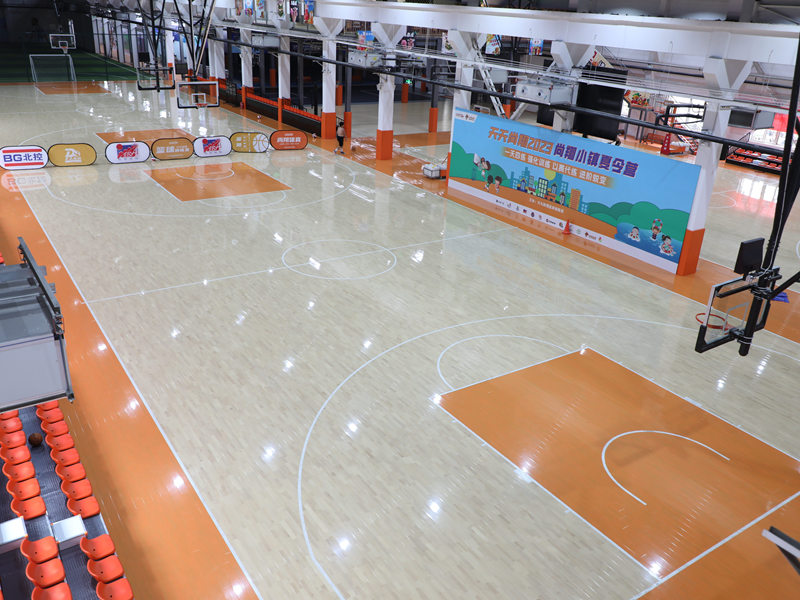
Slip resistance is one of the most critical safety features of any indoor sports floor. An athlete who slips on the playing surface is at risk of serious injury, including sprains, fractures, and torn ligaments. Indoor sports wooden flooring is specifically engineered to provide optimal anti-slip properties that protect athletes while allowing them to move freely and quickly. In this article, we will explore the anti-slip properties of indoor sports wooden flooring in detail.
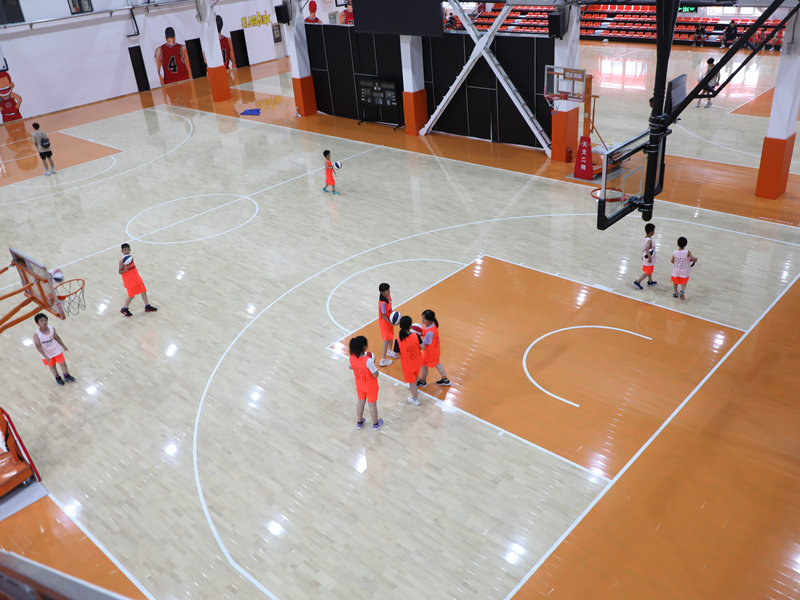
The anti-slip performance of a floor is measured by its coefficient of friction (COF), which is the ratio of the force required to slide an object across the surface to the force pressing the object against the surface. A higher COF means more grip, while a lower COF means less grip. For indoor sports wooden flooring, the ideal COF ranges from 0.4 to 0.6. A COF below 0.4 is considered too slippery, while a COF above 0.6 is too grippy, which can cause the foot to get stuck during quick direction changes.
The finish on the floor is the primary factor that determines the COF. A high-gloss lacquer finish provides a smooth surface with a lower COF, typically around 0.4 to 0.45. This is ideal for sports like basketball where quick footwork and rapid direction changes are essential. A matte or satin finish provides a higher COF, typically around 0.5 to 0.6, which is better for sports like badminton and volleyball where grip is more important than speed.
The texture of the wood also affects the anti-slip properties. Wood with a fine, tight grain, such as maple, provides a smooth surface with consistent friction. Wood with a more open grain, such as oak, provides a slightly rougher surface with higher friction. The choice of wood species can therefore influence the COF of the floor.
Shoe selection is another critical factor in anti-slip performance. Athletes should wear shoes that are specifically designed for indoor sports and for the type of floor they will be playing on. Shoes with a flat, non-marking sole provide the best grip on a wooden floor. Shoes with a herringbone pattern on the sole are particularly effective, as the pattern provides multiple points of contact with the floor, increasing the overall friction.
The maintenance of the floor also affects its anti-slip properties. A floor that is covered in dust, dirt, or sweat can become slippery, even if the finish is in good condition. Regular cleaning is essential for maintaining the floor’s grip. Facility managers should implement a regular cleaning schedule that includes sweeping, mopping, and periodic deep cleaning to remove built-up contaminants.
Humidity also plays a role in anti-slip performance. When the humidity in a facility is too high, moisture can accumulate on the surface of the floor, making it slippery. This is particularly common in gyms and training facilities where athletes sweat heavily. Proper humidity control, as discussed in previous articles, is essential for maintaining optimal anti-slip conditions.
The shock absorption system beneath the floor can also indirectly affect anti-slip performance. A floor with good shock absorption provides a more stable surface, which allows athletes to push off with more force and control. This stability improves the athlete’s ability to maintain traction during quick movements.
It is worth noting that anti-slip performance must be balanced with other performance requirements. A floor that is too grippy can actually be dangerous, as it can cause the foot to get stuck during a direction change, leading to ankle injuries. The ideal floor provides enough grip to prevent slipping but not so much that it restricts movement.
Facility managers should test the COF of their floor regularly using a standardized slip meter. The test should be performed under both dry and wet conditions to ensure that the floor provides adequate grip in all situations. If the COF falls outside the ideal range, corrective action should be taken, such as recoating the floor or adjusting the humidity levels.
In conclusion, the anti-slip properties of indoor sports wooden flooring are a critical safety feature that must be carefully managed. By choosing the right finish, wood species, and shoes, maintaining the floor properly, and controlling humidity, facility managers can ensure that their floor provides optimal grip for athletes while minimizing the risk of slips and falls.