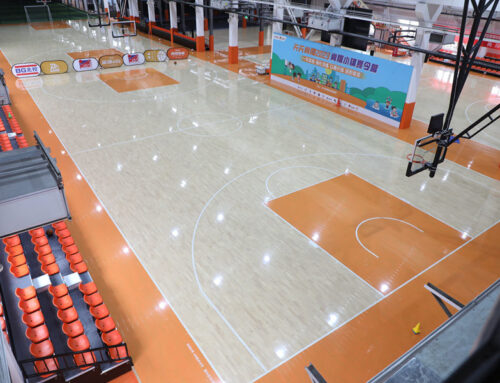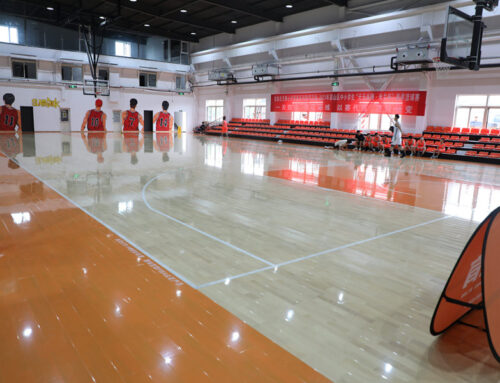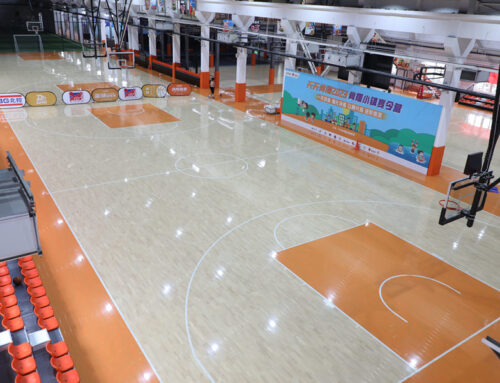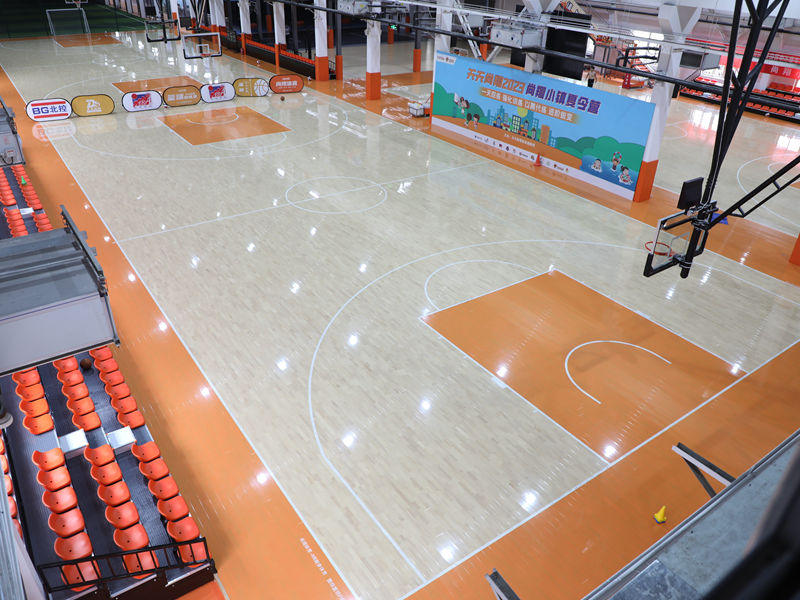
Quality assurance in indoor sports wooden flooring is governed by a set of international standards and certification programs. These standards ensure that floors meet minimum performance requirements for safety, durability, and playability. In this article, we explore the key standards and certifications that every facility manager should know.
Why Standards Matter
Without standards, there would be no way to guarantee that a sports floor performs safely and consistently. Standards provide:
- Minimum performance requirements for ball rebound, shock absorption, etc.
- Testing protocols to verify compliance
- Certification that the floor has been independently tested and approved
- Liability protection for facility owners
Major International Standards
1. EN 14904 — European Standard for Indoor Sports Flooring
Scope: All indoor sports (basketball, volleyball, handball, badminton, etc.)
Key Requirements:
| Parameter | Requirement |
|---|---|
| Ball Rebound | 90-96% |
| Shock Absorption | ≥35% |
| Vertical Deformation | 0 |
| Finish | Matte to semi-gloss |
| Court Size | 28m x 15m (FIBA standard) |
5. NCAA/NFHS Basketball Court Specifications
Scope: College and high school basketball in the US
Key Requirements:
| Parameter | Requirement |
|---|---|
| Ball Rebound | 90-96% |
| Shock Absorption | ≥35% |
| Flatness | ≤1/8″ over 10′ |
| Finish | Semi-gloss (NCAA), any (NFHS) |
6. ITF Tennis Court Specifications
Scope: Indoor tennis courts
Key Requirements:
| Parameter | Requirement |
|---|---|
| Ball Rebound | 85-95% |
| Shock Absorption | 30-40% |
| Flatness | ≤2mm over 2m |
| Surface | Hardwood (maple or beech) |
Certification Programs
1. FIBA Approved Floor
- The highest certification for basketball floors
- Requires independent testing by an approved lab
- Valid for 5 years (must be re-tested)
- Required for all FIBA-sanctioned competitions
2. DIN CERTCO Certification
- German certification for sports flooring
- Tests all performance parameters to DIN 18032
- Valid for 5 years
- Recognized across Europe
3. Sports Labs Ltd. Certification
- UK-based testing and certification
- Tests to EN 14904 and DIN 18032
- Valid for 5 years
- Widely recognized internationally
4. Greenguard Certification
- Tests for low chemical emissions (VOC)
- Ensures the floor is safe for indoor air quality
- Required for many green building projects (LEED, BREEAM)
5. FSC / PEFC Certification
- Certifies that the wood comes from responsibly managed forests
- Required for many government and institutional projects
- Ensures environmental sustainability
6. Fire Safety Certifications
| Certification | Standard | Rating |
|---|---|---|
| EN 13501-1 | European fire classification | B-s1, d0 (typical) |
| ASTM E648 | US fire test | Class 1 or 2 |
| NFPA 286 | US flame spread | ≤25 |
How to Verify Certification
- Ask the manufacturer for certification documents
- Check the certification body’s website to verify the certificate is valid
- Request test reports from an independent lab
- Inspect the floor for certification logos or labels
Cost of Certification
| Certification | Cost (Typical) |
|---|---|
| FIBA Approved | $5,000-15,000 |
| DIN CERTCO | €3,000-10,000 |
| EN 14904 Testing | €2,000-8,000 |
| Greenguard | $1,000-3,000 |
| FSC Audit | $5,000-20,000 (one-time) |
Conclusion
Standards and certifications are the backbone of quality assurance in sports wooden flooring. By specifying floors that meet recognized international standards and carry valid certifications, facility managers can ensure that their floors are safe, high-performing, and compliant with the requirements of sports governing bodies.