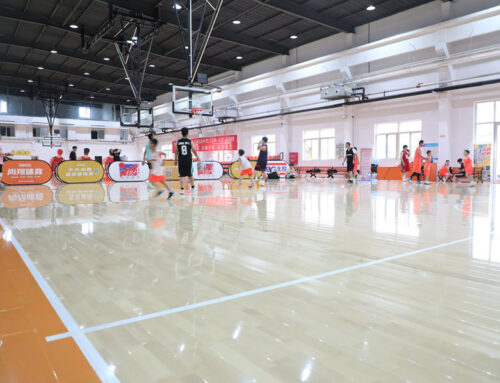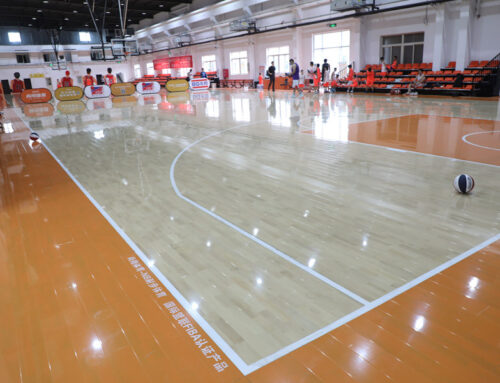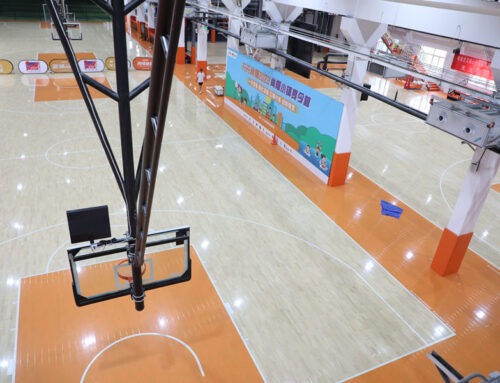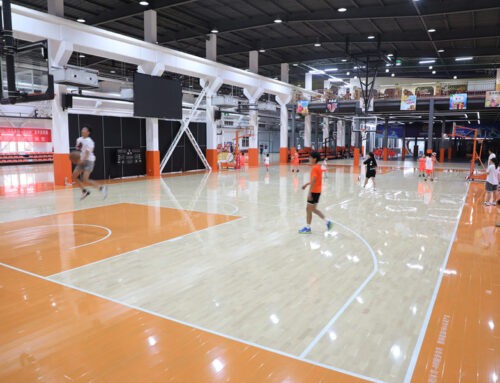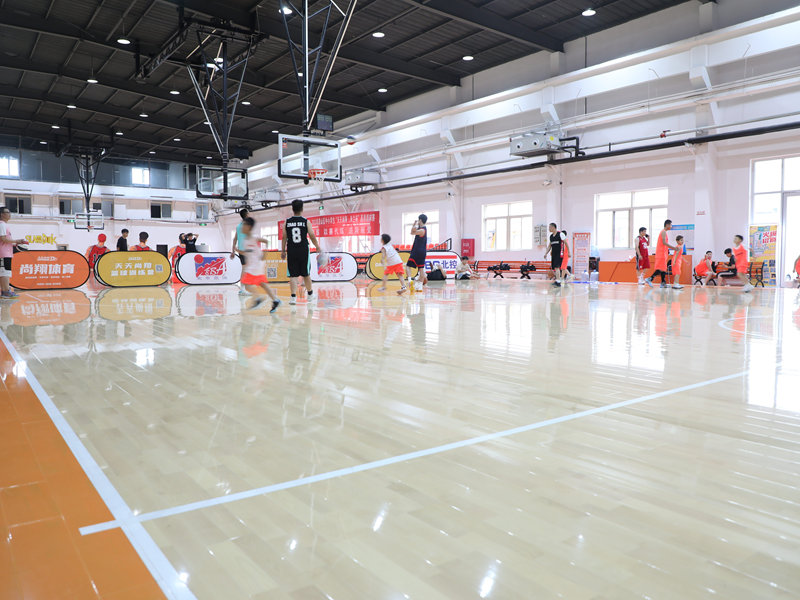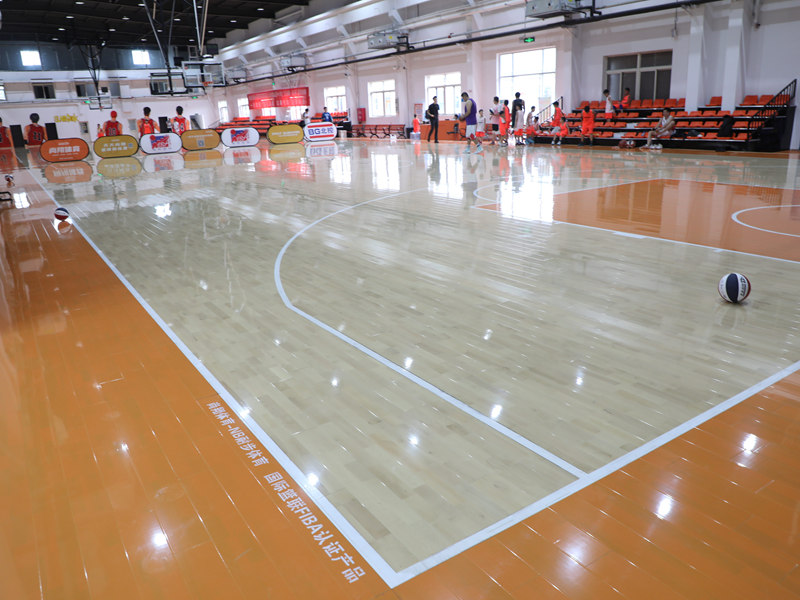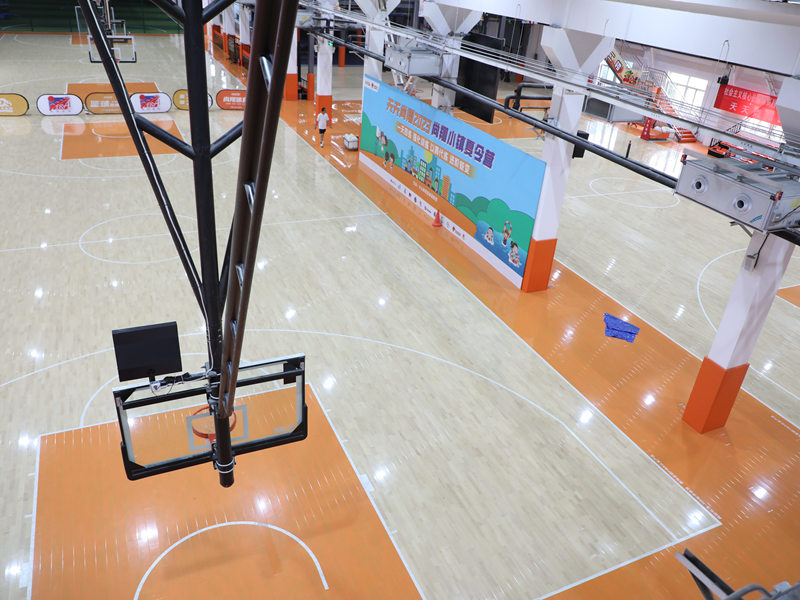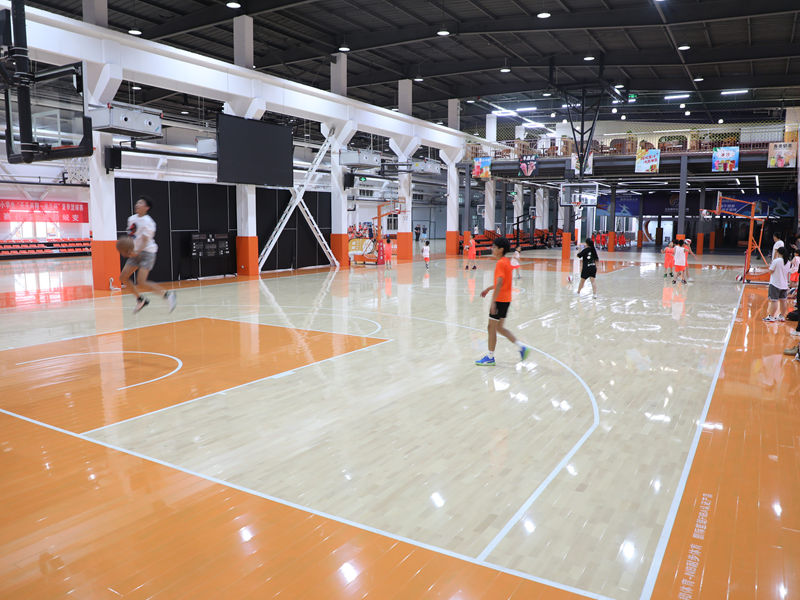
Traction and grip are essential elements of indoor sports flooring that ensure athlete safety and enable optimal performance. The right amount of friction between the athlete’s footwear and the floor surface is crucial for maintaining balance, changing direction, and stopping abruptly during physical activities.
Insufficient traction can lead to slips and falls, which are common causes of injuries in sports. When athletes lose their footing, they may suffer from sprains, strains, fractures, or even more severe injuries like concussions. Therefore, it is vital for sports floors to provide adequate grip to prevent such accidents.
On the other hand, excessive traction can also be problematic. It can restrict athletes’ movement, making it difficult for them to perform complex maneuvers or change direction quickly. This can lead to muscle strains and other injuries caused by overexertion or sudden movements.
The ideal sports floor should offer a balance between traction and slip resistance. It should provide enough grip to keep athletes stable during movement but also allow for smooth sliding and gliding when necessary. This balance can be achieved through the use of appropriate flooring materials, surface textures, and finishes.
For example, wood floors are often sanded and finished to create a smooth yet slightly textured surface that provides good traction. Synthetic floors can be designed with specific patterns or textures to enhance grip, while also incorporating anti-slip properties to prevent accidents.