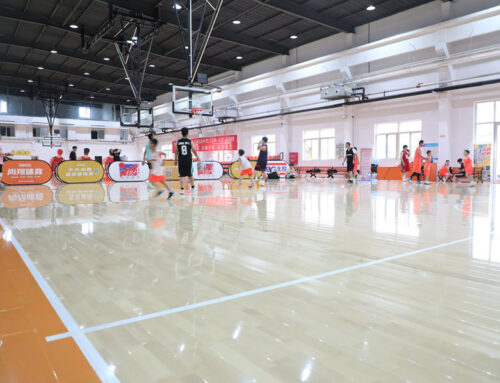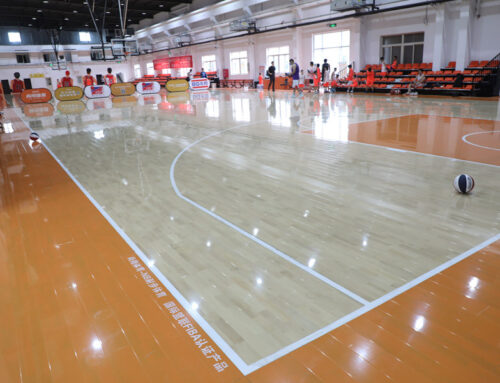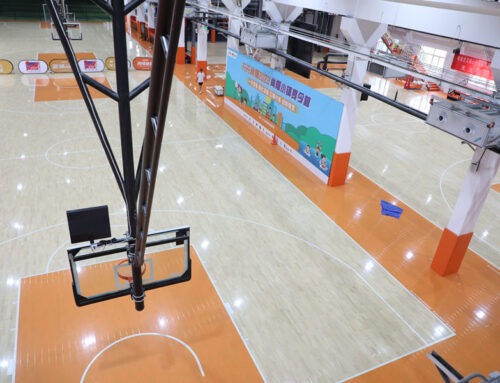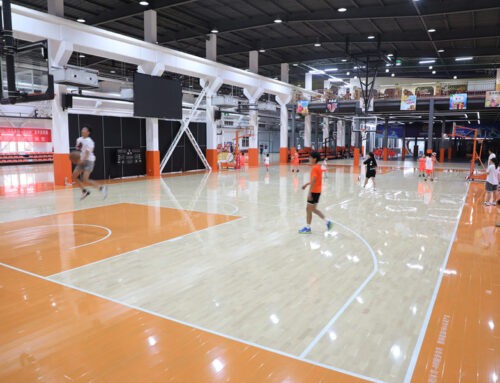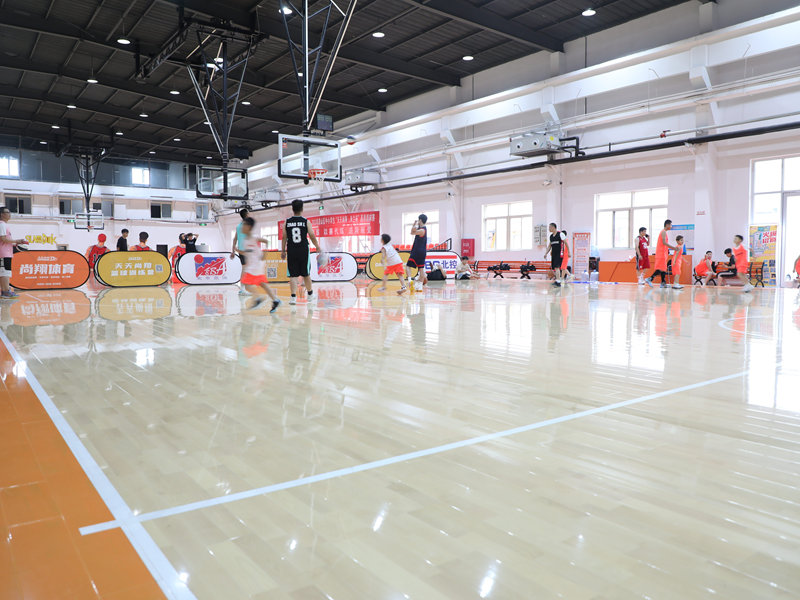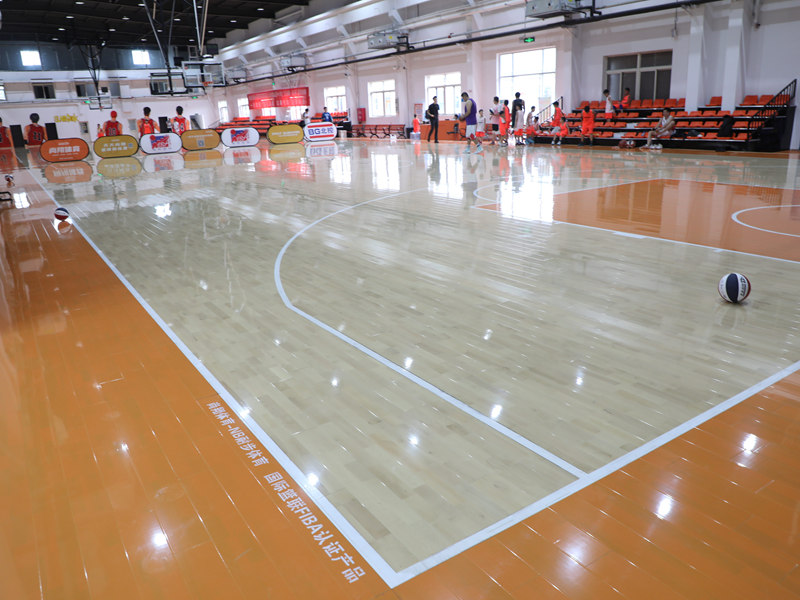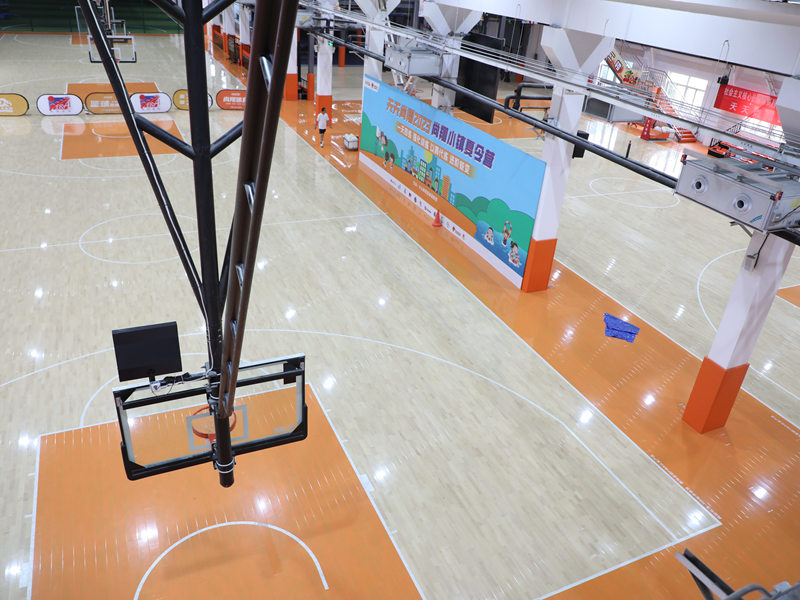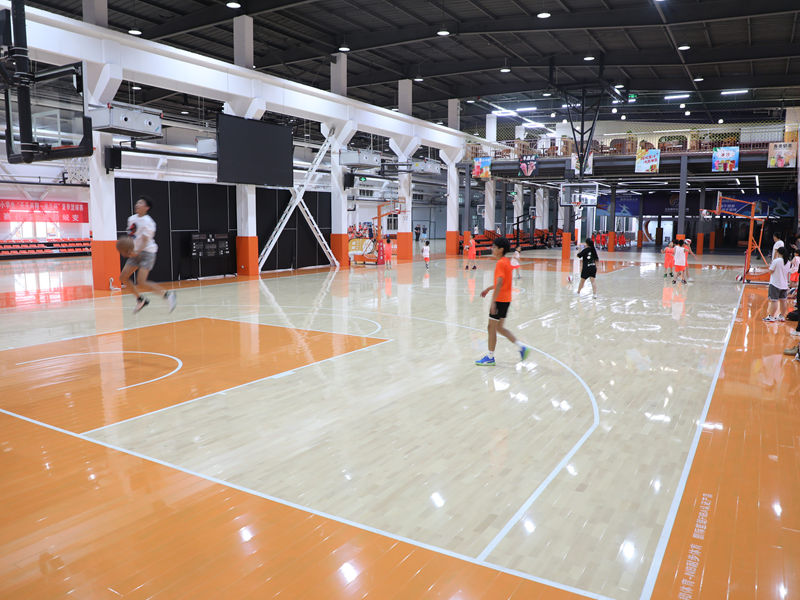
Durability and longevity are key considerations when selecting indoor sports flooring. Sports facilities are subject to high levels of traffic, with athletes constantly running, jumping, and moving across the floor surface. Therefore, the floor must be able to withstand this wear and tear without deteriorating quickly.
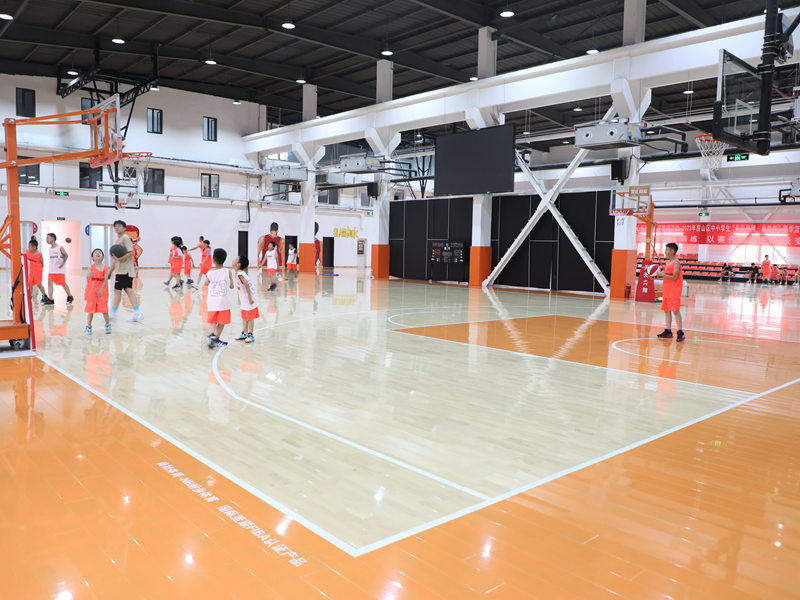
A durable sports floor can save facilities money in the long run by reducing the need for frequent repairs or replacements. It also ensures that athletes have a safe and reliable surface to train on, minimizing the risk of injuries caused by damaged or uneven floors.
The durability of a sports floor depends on several factors, including the material used, the quality of construction, and the level of maintenance. Hardwood floors, for example, are known for their durability when properly maintained. Regular refinishing and resurfacing can help to protect the wood from scratches, dents, and moisture damage, extending its lifespan.
Synthetic floors are also highly durable and resistant to wear and tear. They are often made from high-quality materials that can withstand heavy use and exposure to chemicals, moisture, and sunlight. Some synthetic floors are even designed to be scratch-resistant and easy to clean, further enhancing their durability.
In addition to selecting durable materials, proper installation and maintenance are essential for ensuring the longevity of sports floors. The floor should be installed by experienced professionals who follow industry standards and guidelines. Regular cleaning, inspection, and repairs should be carried out to address any issues before they become major problems.