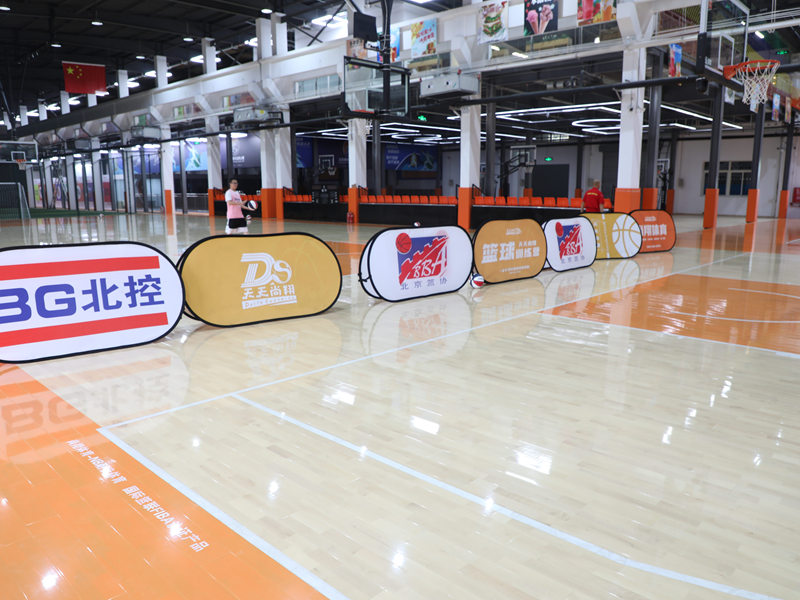
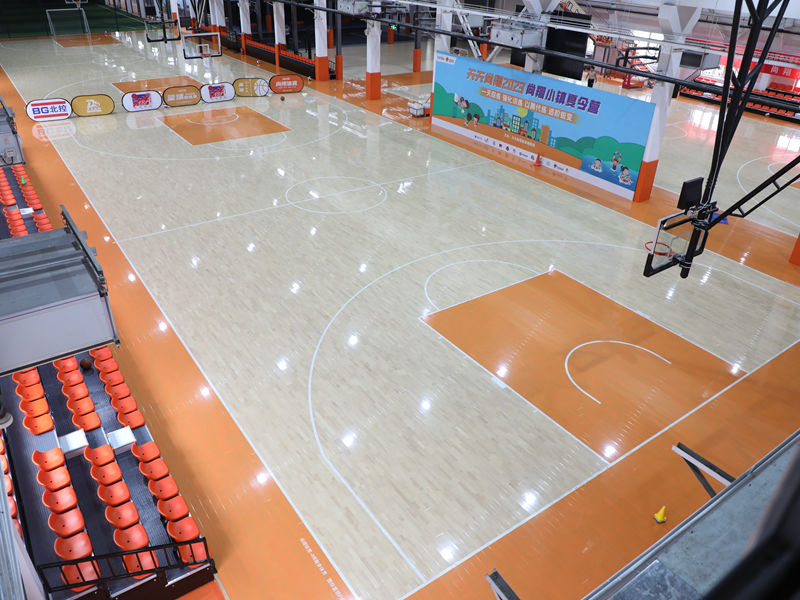
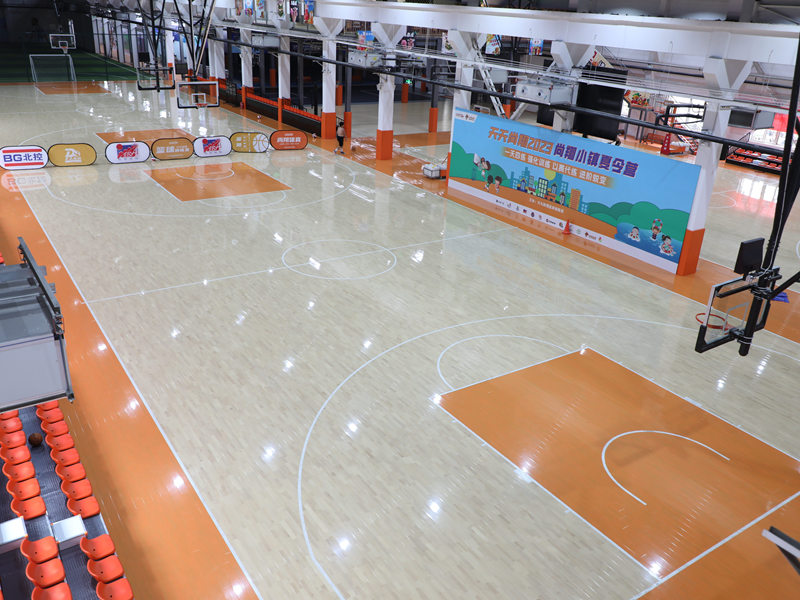
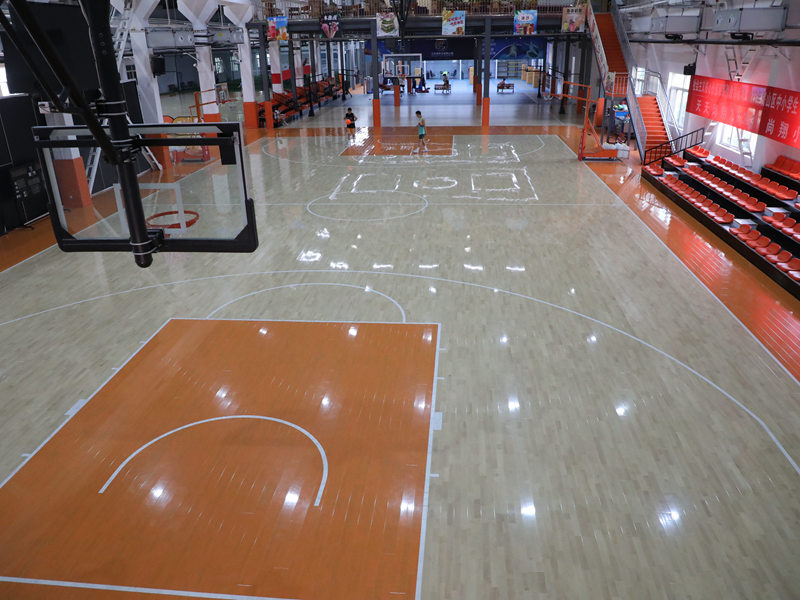
In an era where more and more facilities are prioritizing eco-friendly, low-waste construction choices, basketball court wood flooring stands out as one of the most sustainable options available for indoor sports surfaces. Unlike most synthetic sports surfaces, which are made from non-renewable petroleum-based materials and end up in landfills after 10 to 15 years of use, wood flooring is a natural, renewable, and extremely low-waste choice that is far better for the long-term health of the planet.

The biggest sustainability benefit comes from the extremely long lifespan of a properly cared for wood floor. A quality wood court can last 50 years or more, with no need for full replacement. All it needs is occasional refinishing every 15 to 20 years, which only removes a tiny fraction of a millimeter of wood each time. Compare this to a synthetic surface that has to be completely torn up and thrown away every decade, generating thousands of pounds of non-recyclable waste that sits in a landfill forever. Over the course of 50 years, a wood floor generates less than 5% of the total waste that would be produced by replacing synthetic surfaces five separate times.
Responsibly sourced hardwood is also a fully renewable resource. When wood is harvested from well-managed, sustainably managed forests, new trees are planted to replace every tree that is cut down. These forests act as carbon sinks, absorbing carbon dioxide from the atmosphere as they grow. The carbon that is stored in the wood of the basketball floor stays locked away for the entire 50+ year lifespan of the court, instead of being released back into the atmosphere. This makes wood flooring a carbon-negative building material, unlike synthetic surfaces that generate massive amounts of carbon emissions during their manufacturing process.
Even at the end of its extremely long usable life, a wood basketball floor is 100% reusable and recyclable. The old planks can be taken up, refinished, and re-installed in a different facility, or they can be milled down and turned into other wood products. Even if the planks are too worn to be reused as a floor, they can be chipped and turned into biomass fuel that generates energy without releasing new fossil carbon into the atmosphere. There is almost zero waste generated from a wood floor, unlike synthetic surfaces that cannot be recycled and have no use once they are torn out.
Many people are surprised to learn that the total carbon footprint of installing a wood basketball court is less than half the carbon footprint of installing a comparable synthetic court. When you add up all the emissions from manufacturing, transportation, installation, and decades of maintenance, wood comes out far ahead. For any facility that wants to reduce its environmental impact and make a responsible choice for the planet, basketball court wood flooring is the clear, sustainable option that does not force you to sacrifice any performance or playing quality.