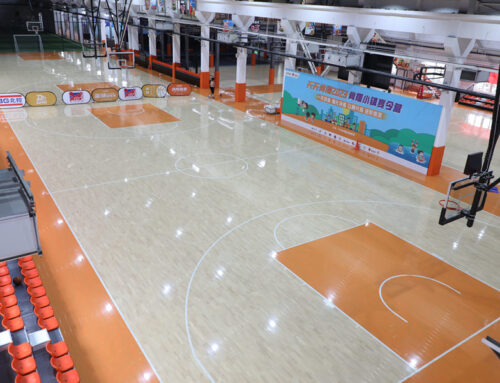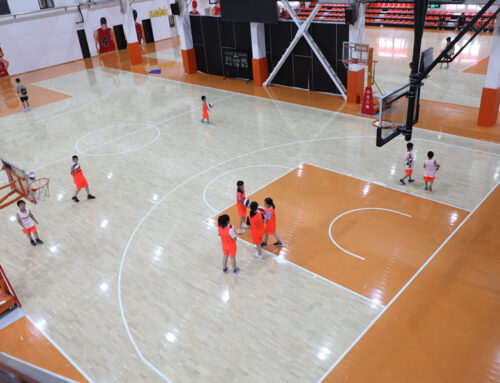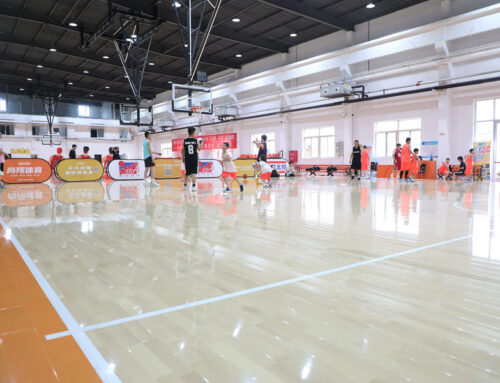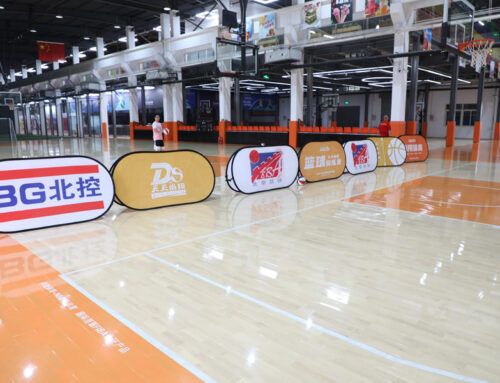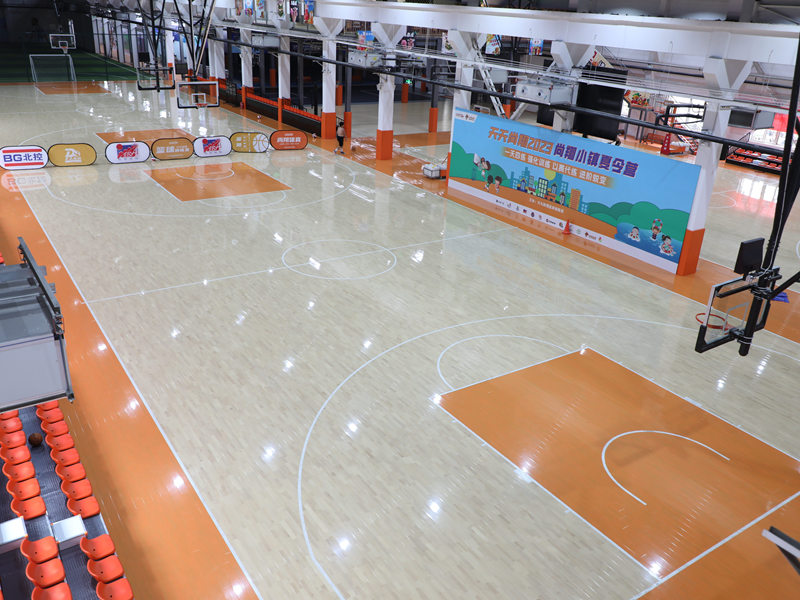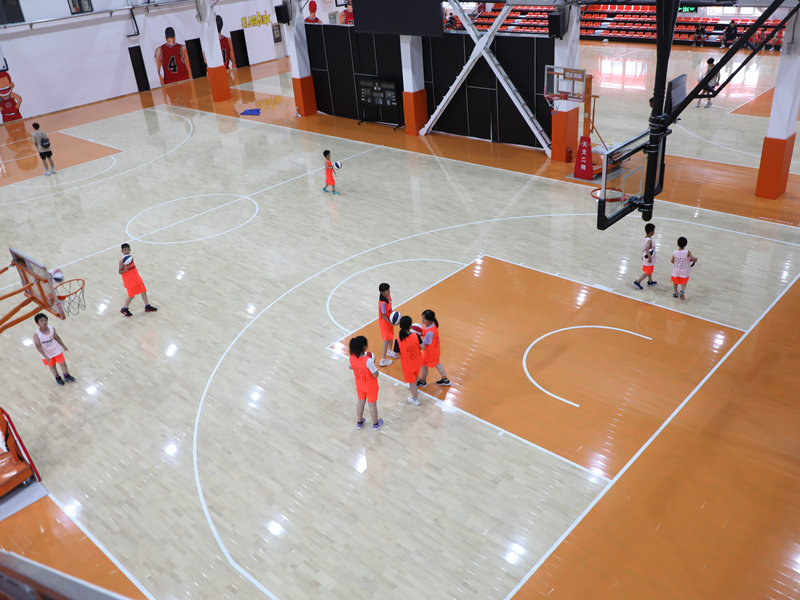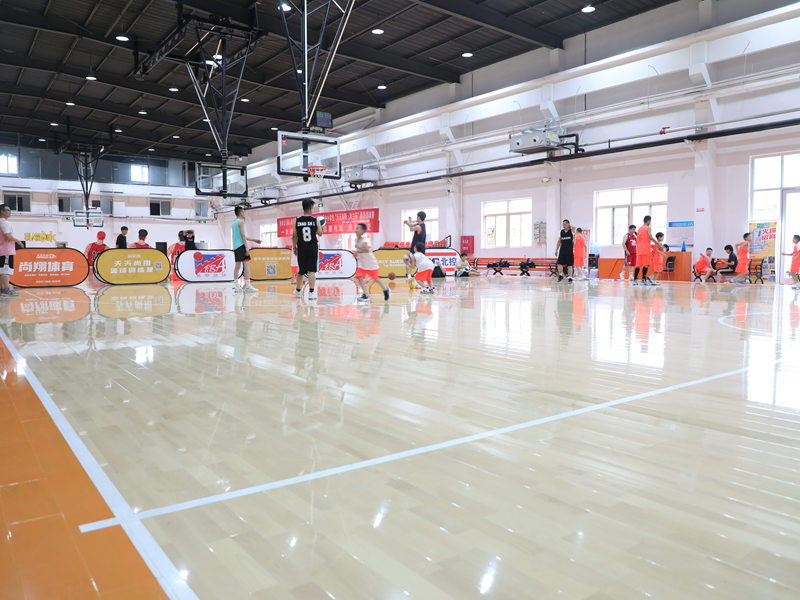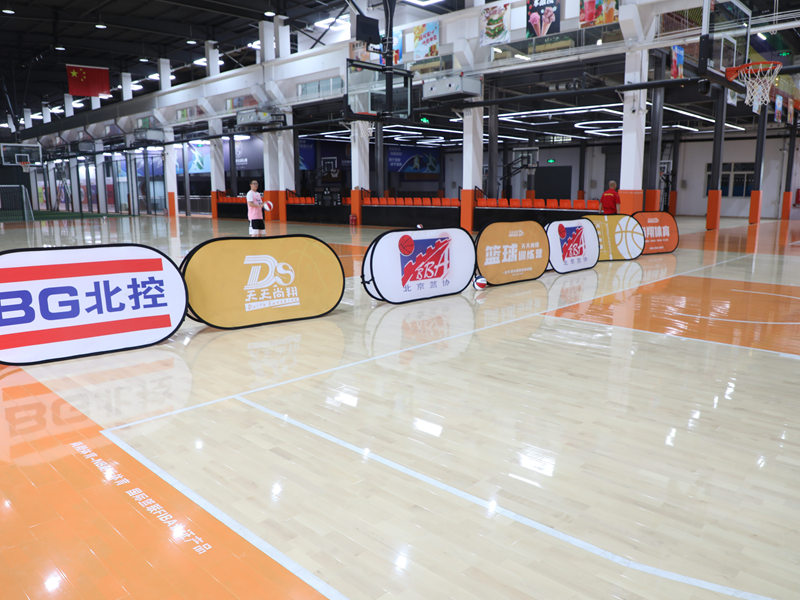
The floor beneath a basketball player’s feet is not just a surface — it is a performance tool. Sports science research has consistently shown that the type of flooring in a gymnasium directly affects athletic performance, injury risk, and player recovery. Basketball court wood flooring, specifically sugar maple, has been refined over decades to deliver the optimal combination of shock absorption, energy return, traction, and consistency. Here is the science behind why wood floors make basketball players better.
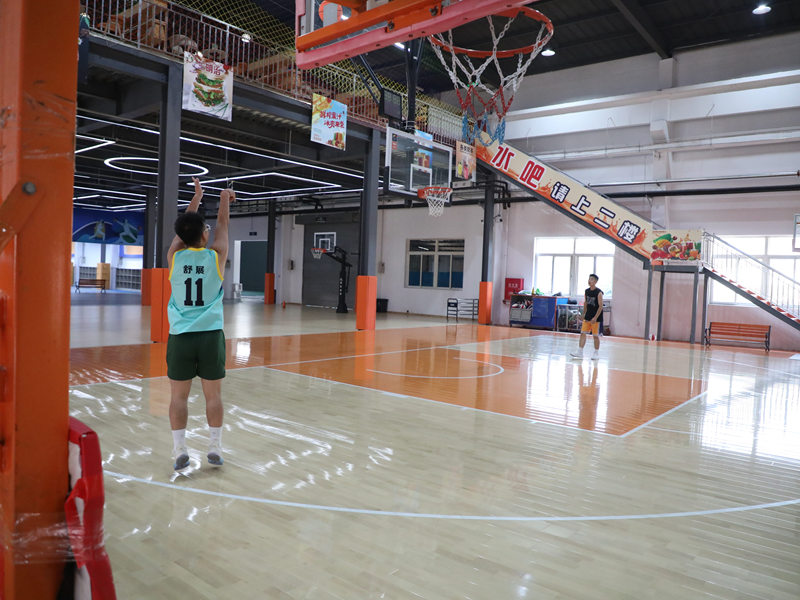
Shock Absorption and Joint Protection
Basketball is one of the most high-impact sports in the world. Players land from jumps an average of 200 to 300 times per game, generating forces of 3 to 5 times their body weight with each landing. The floor must absorb a significant portion of this impact to protect the player’s knees, ankles, hips, and spine. Wood flooring, particularly maple installed over a rubber underlayment, absorbs approximately 35 to 50 percent of impact force. This is significantly more than concrete, which reflects nearly all impact force back into the body. Studies published in the American Journal of Sports Medicine have found that athletes training on wood surfaces experience 15 to 25 percent less joint stress compared to those on concrete or synthetic surfaces.
Energy Return and Explosiveness
Energy return is the floor’s ability to push back against the player’s foot with each step. The higher the energy return, the faster and more explosive the player feels. Sugar maple has an energy return rate of approximately 90 to 95 percent, meaning it returns almost all of the energy a player puts into it. This is why players on maple courts feel faster, jump higher, and change direction more quickly than on any other surface. The floor literally helps them move better. This property is so important that the NBA, FIBA, and NCAA all mandate maple flooring for professional and collegiate play.
The Coefficient of Friction — Grip Without Grip
The coefficient of friction (COF) measures how much grip a surface provides. Too little grip, and players slip. Too much grip, and players’ feet get stuck during quick direction changes, increasing the risk of ankle injuries. The ideal COF for a basketball court is between 0.4 and 0.6. Sugar maple flooring with a satin finish consistently falls within this range. Rubber flooring, by contrast, often has a COF above 0.8, which is too high for basketball. This is why professional players universally prefer wood over rubber, even though rubber is cheaper and easier to install.
Ball Bounce Consistency
A basketball must bounce consistently across the entire court. If the floor is uneven, the ball bounces differently in different areas, which disrupts gameplay and affects shooting accuracy. Wood flooring, when properly installed and maintained, provides a ball bounce consistency of 95 percent or higher. This means a ball dropped from 72 inches will bounce to approximately 49 to 54 inches everywhere on the court. Concrete and synthetic surfaces cannot match this level of consistency.
Psychological Impact
Beyond the physical science, there is a psychological dimension. A study from the University of British Columbia found that athletes performed better and reported higher motivation in environments with natural materials like wood compared to synthetic surfaces. The warm, bright appearance of a maple court creates a positive mental state that enhances focus, effort, and enjoyment. Players want to play on wood. They perform better on wood. And they recover faster on wood.
The science is clear: basketball court wood flooring is not a luxury — it is a performance-enhancing technology that makes players faster, safer, and more effective.