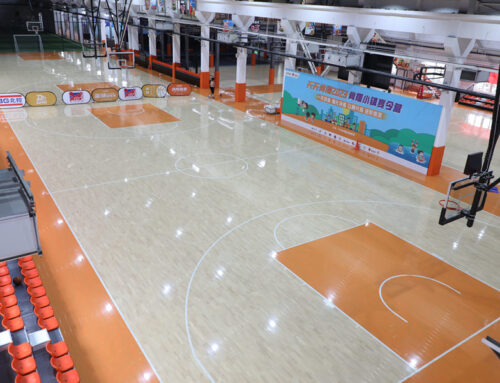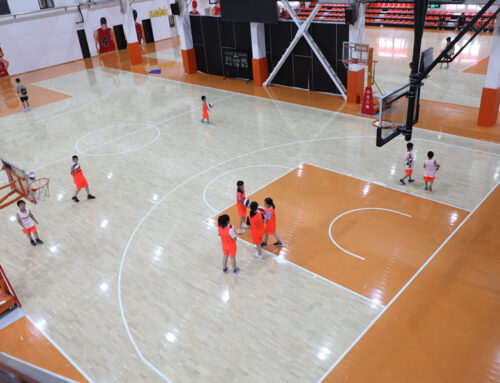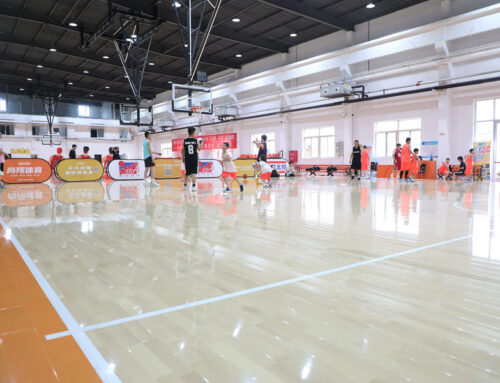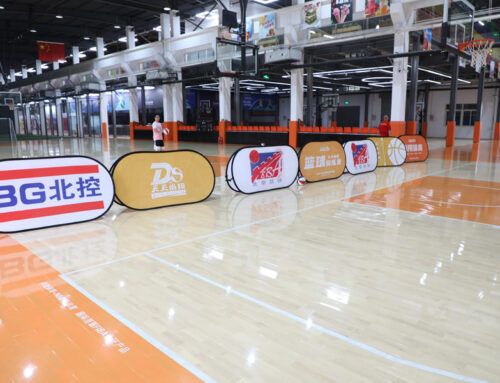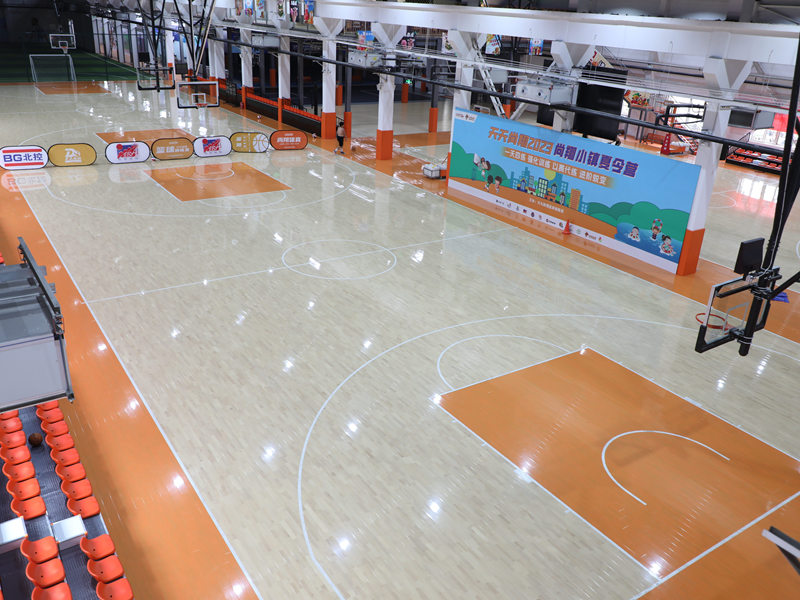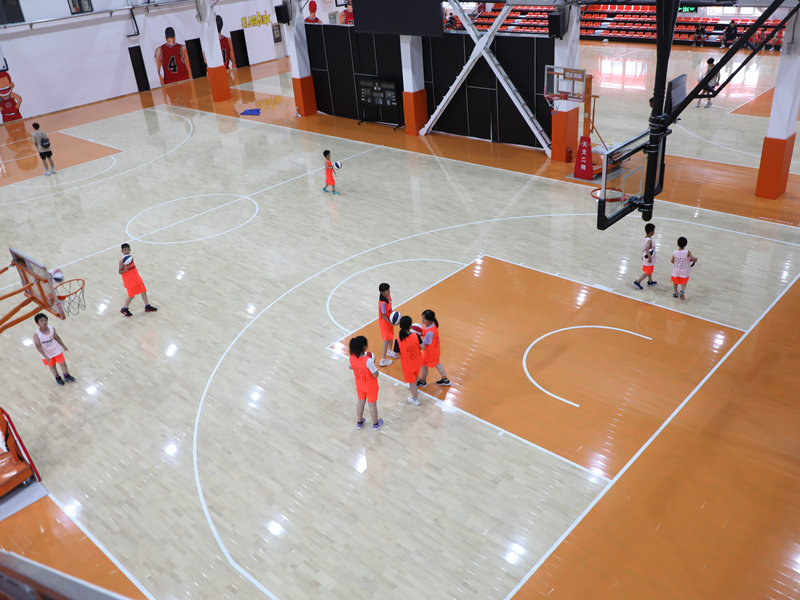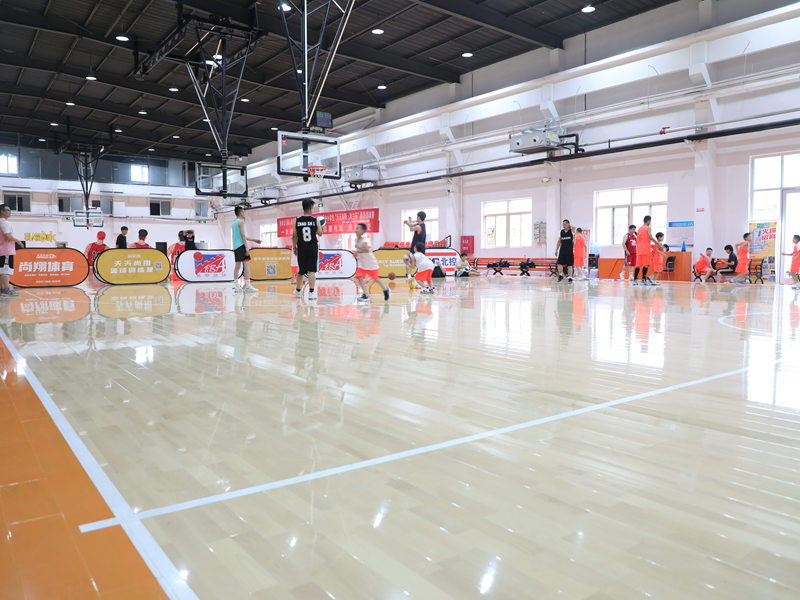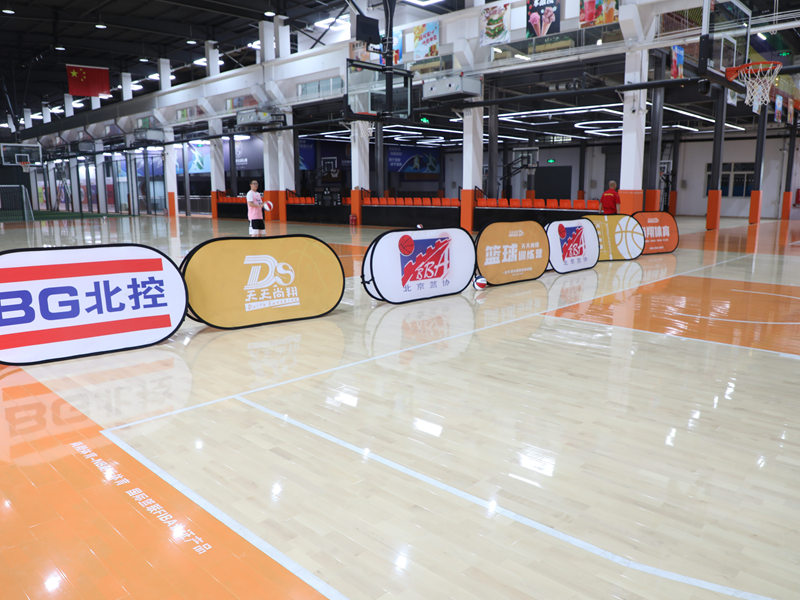
While the visible surface of an indoor basketball court is crucial for player performance and safety, the subfloor system beneath it plays an equally important role. Subfloor systems are designed to provide shock absorption, stability, and support, ensuring that the playing surface remains level and responsive to the movements of players.
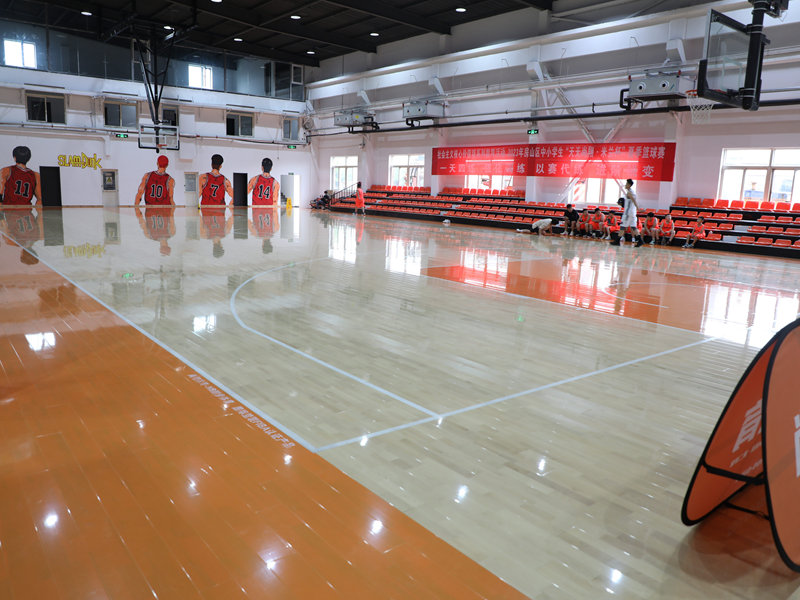
Shock absorption is one of the primary functions of a subfloor system. Basketball involves a lot of jumping, running, and sudden changes in direction, all of which place significant stress on the joints and muscles. A subfloor system with adequate shock absorption can help reduce the impact of these movements, minimizing the risk of injury and fatigue. This is particularly important for competitive players who engage in high-intensity training and games on a regular basis.
Stability is another key aspect of subfloor systems. A stable subfloor ensures that the playing surface remains level and consistent, even under heavy use. This is crucial for maintaining proper ball bounce and player traction, as any unevenness or instability can affect the outcome of the game. A well-designed subfloor system will distribute weight evenly across the floor, preventing sagging or buckling in high-traffic areas.
Support is also an essential function of subfloor systems. The subfloor must be strong enough to support the weight of the players, equipment, and any additional loads placed on it. This requires careful consideration of the materials used in the subfloor construction, as well as the design and installation process. A properly supported subfloor will ensure that the playing surface remains intact and functional for years to come.
In summary, subfloor systems are a vital component of indoor basketball court performance. They provide shock absorption, stability, and support, all of which contribute to a safe, high-quality playing environment. When designing or renovating an indoor basketball court, it’s essential to give careful consideration to the subfloor system to ensure that it meets the specific needs of the players and the facility.