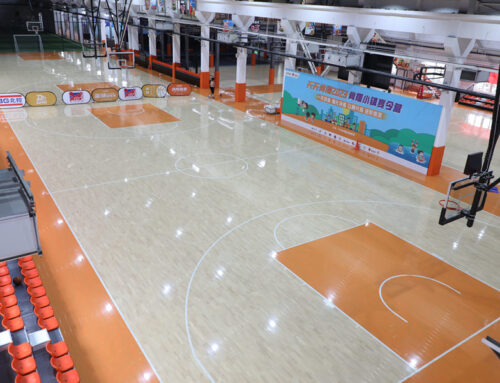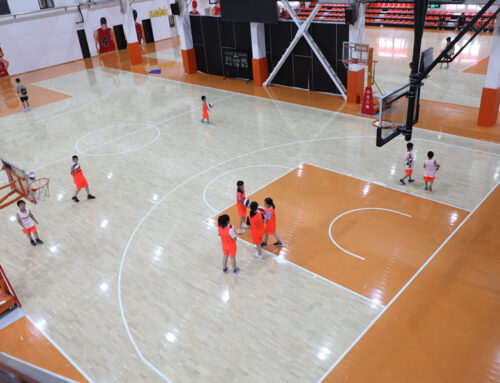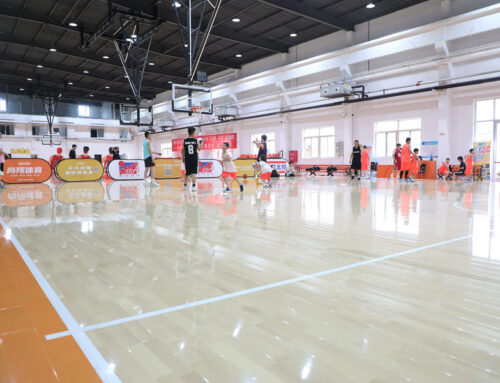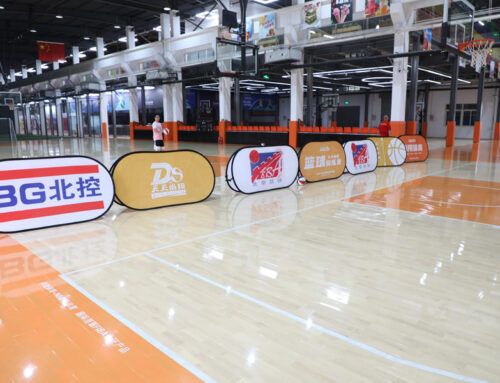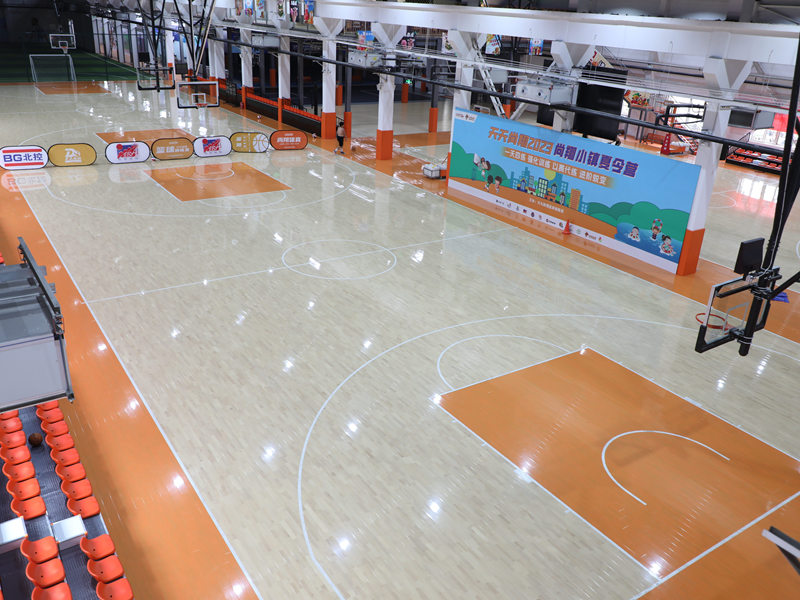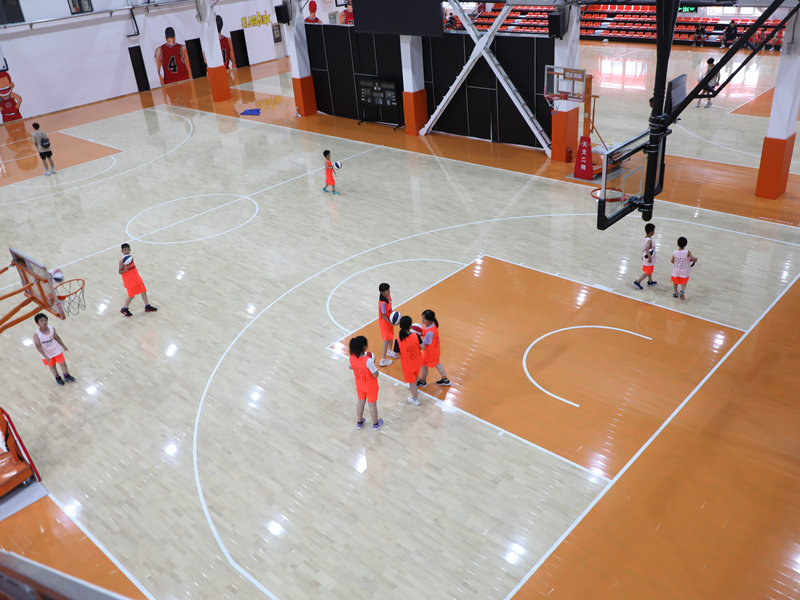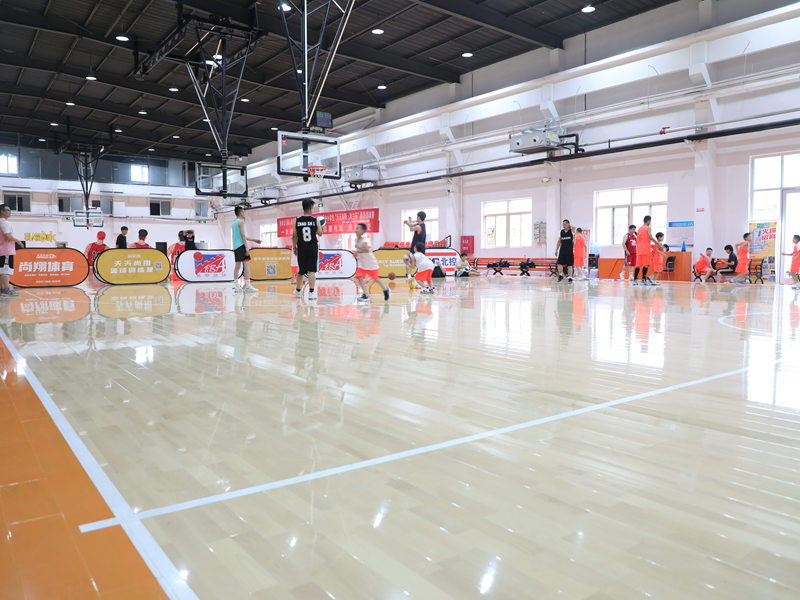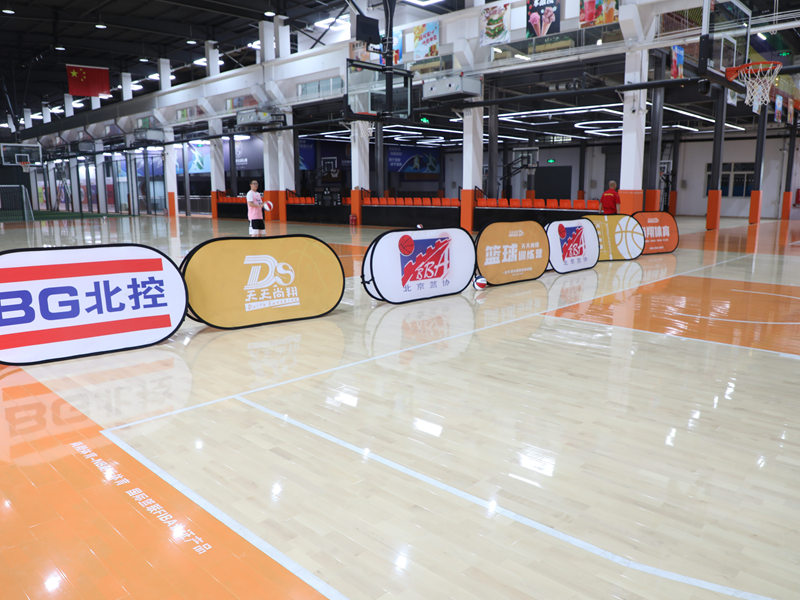
Indoor basketball court flooring has undergone a remarkable evolution over the years, transforming from simple wooden planks to advanced, high-performance surfaces designed to enhance player safety, performance, and overall experience. This transformation reflects not only technological advancements but also a deeper understanding of the biomechanics of basketball and the specific needs of athletes.
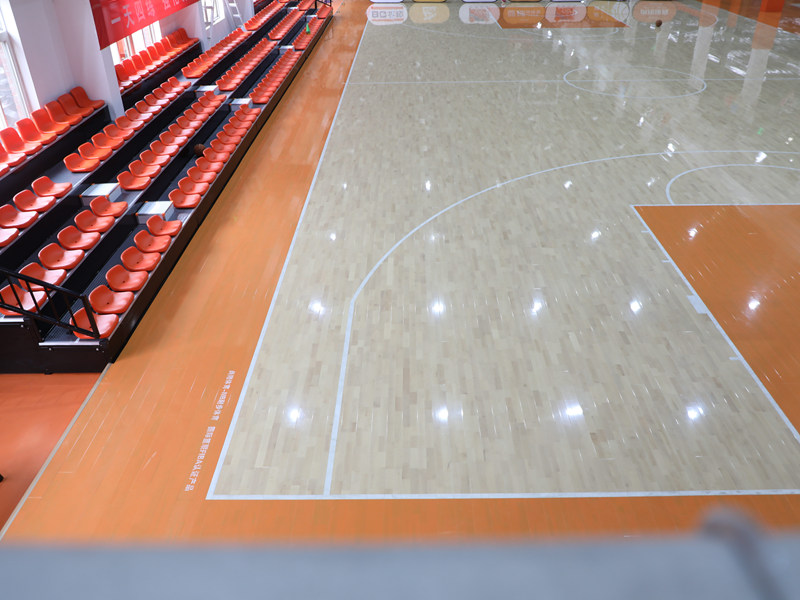
Historically, the earliest indoor basketball courts were constructed with basic wooden floors, often repurposed from other uses such as dance halls or gymnasiums. These floors were functional but lacked the specialized features necessary for optimal basketball play. They were prone to warping, splintering, and uneven surfaces, which posed risks to players and affected the quality of the game.
As the popularity of basketball grew, so did the demand for better flooring solutions. The introduction of maple wood as the primary material for basketball courts marked a significant turning point. Maple, known for its durability, shock absorption, and consistent grain pattern, became the gold standard for indoor basketball surfaces. Its ability to withstand heavy use and provide a stable playing area made it ideal for competitive play.
In recent decades, technological advancements have further refined indoor basketball court flooring. Innovations such as subfloor systems, which incorporate shock-absorbing materials like rubber or foam, have significantly improved player safety by reducing the impact on joints and muscles. Additionally, the development of specialized finishes and coatings has enhanced traction, durability, and aesthetics, ensuring that courts remain in top condition even after years of use.
Today, indoor basketball court flooring is a sophisticated blend of materials science, engineering, and design. It not only supports the physical demands of the game but also contributes to the overall atmosphere and experience of playing basketball indoors. As the sport continues to evolve, so too will the flooring solutions that underpin it, ensuring that players can perform at their best while minimizing the risk of injury.