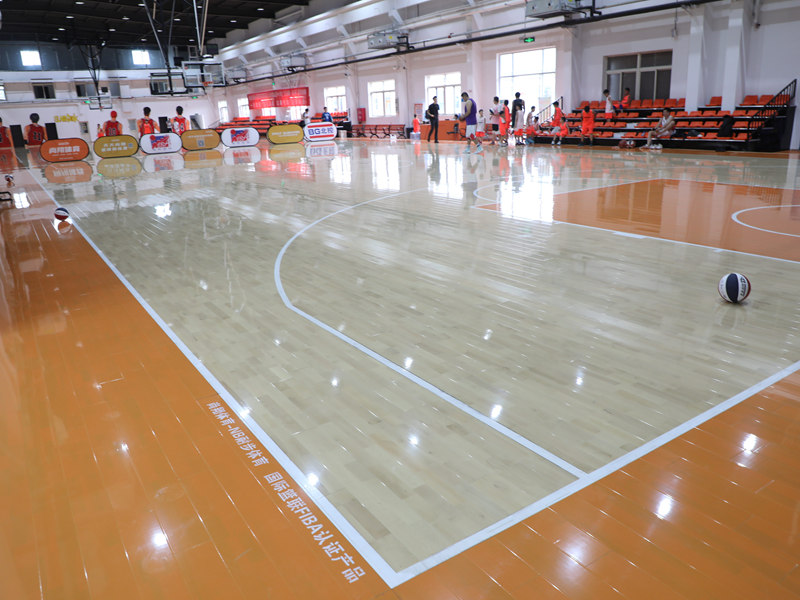
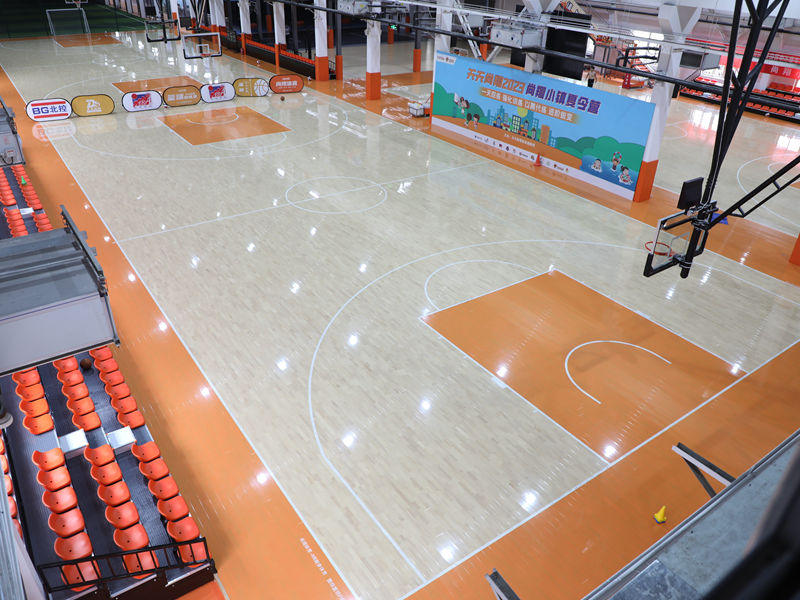
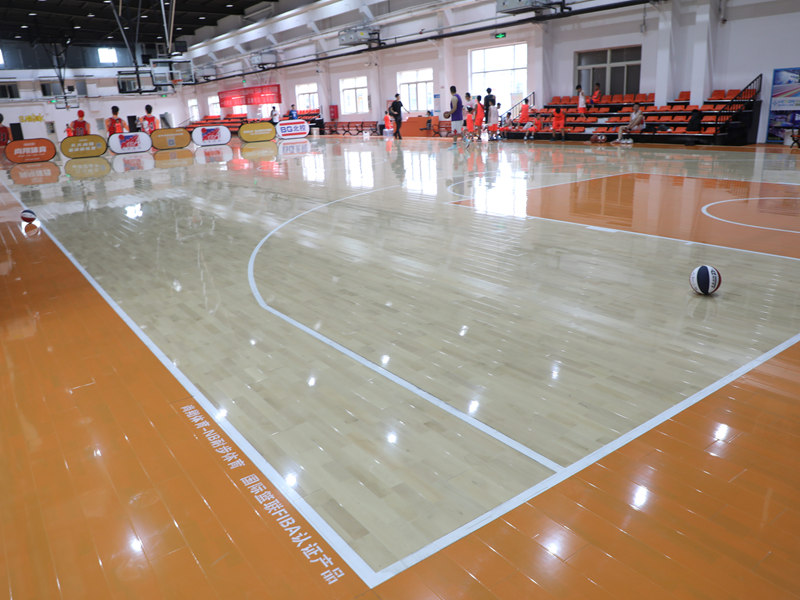
When a facility is choosing to install new basketball court wood flooring, one of the most important decisions they have to make is whether to go with a solid wood top layer or an engineered wood top layer. Both options deliver the great performance, safety, and feel that players expect from a wood court, but they have different strengths that make them better suited for different types of facilities and different gym environments. Understanding these key differences helps facility managers pick the option that will work best for their specific space.

Solid wood flooring is made from single, full-thickness planks of 100% natural hardwood, milled from a single piece of wood. This gives it the most authentic, traditional wood feel, and it can be refinished many more times than engineered wood, because there is a far thicker layer of solid wood to sand down over decades. This makes solid wood the perfect choice for facilities that plan to stay in the same location for 40+ years, and that want a floor they can refinish again and again for multiple generations of players. It has the most natural, responsive flex, and it develops that beautiful, unique patina that old historic courts are famous for.
Engineered wood flooring, by contrast, is made from multiple layers of wood pressed together under high pressure, with a thin top layer of the high-quality hardwood species visible on the surface. The cross-layered construction of engineered wood makes it far more resistant to warping and movement from humidity changes, compared to solid wood. This makes it an excellent choice for gyms that are located in regions with extremely dramatic seasonal humidity swings, or facilities that do not have the ability to keep their humidity levels perfectly stable 24/7. Engineered wood is far less likely to cup or warp even when humidity levels fluctuate more than the ideal range.
Engineered wood is also typically lighter and easier to install, and it can be installed over a wider variety of sub-base structures without any issues. It is often a more cost-effective option for new facilities that want all the performance benefits of a wood court, but that are working within a tighter budget. While the top hardwood layer is thinner than a full solid plank, it is still thick enough to allow for multiple full refinishes, giving the floor a 25 to 30 year lifespan that is far longer than any synthetic surface. For most mid-sized community facilities, engineered wood delivers almost all the benefits of solid wood, with extra durability against environmental fluctuations.
Neither option is inherently “better” than the other—they are just optimized for different use cases. Both deliver the perfect traction, consistent bounce, and joint protection that makes wood basketball courts the gold standard for the sport. No matter which one you choose, both options will give you a far better playing experience than any synthetic alternative, and both will serve your players well for decades. The choice just comes down to the specific needs, budget, and environmental conditions of your individual facility.