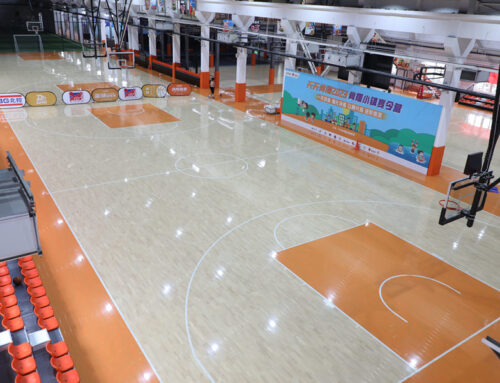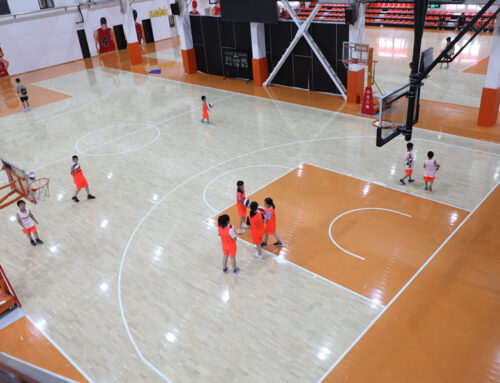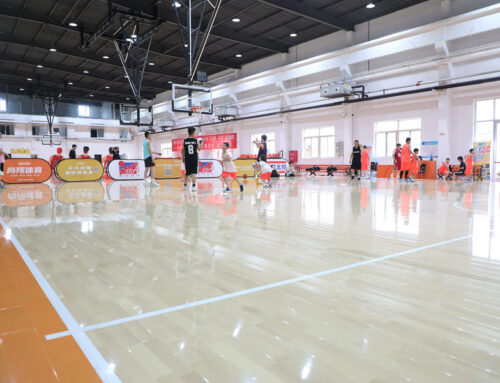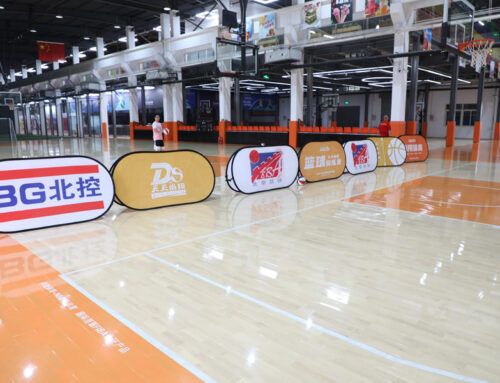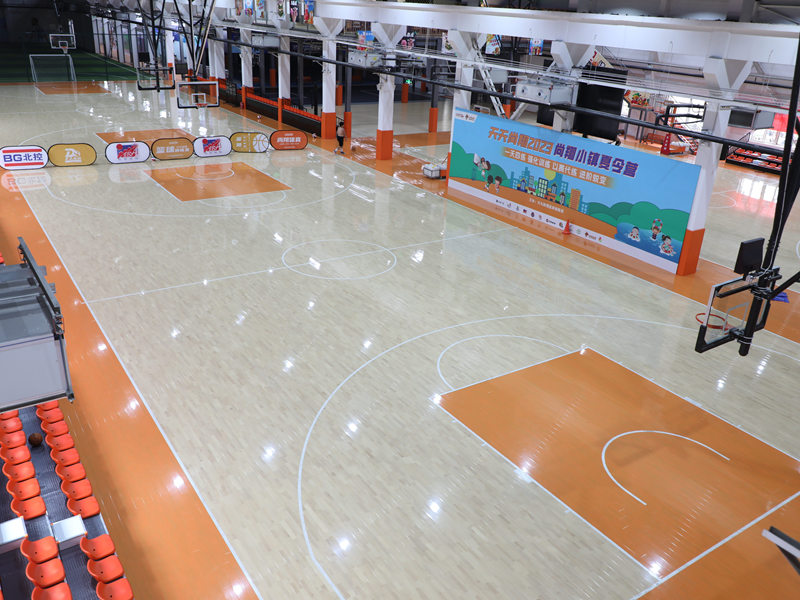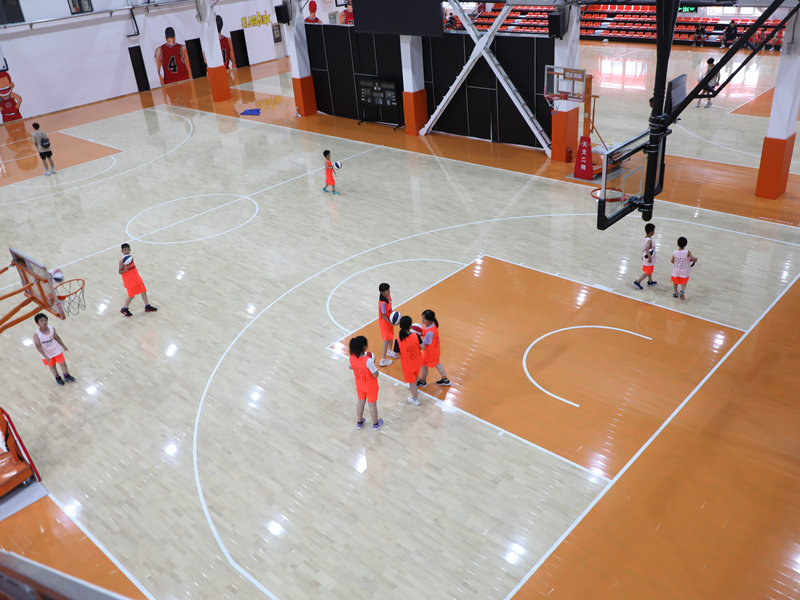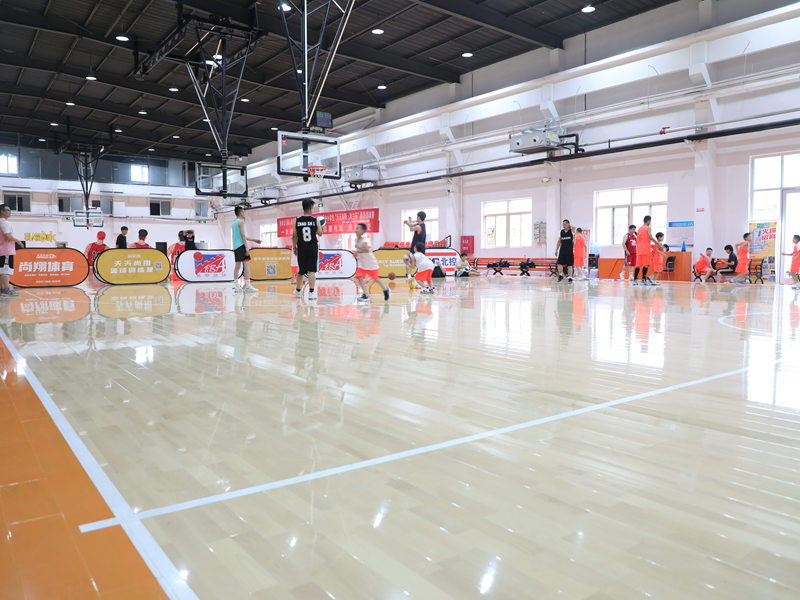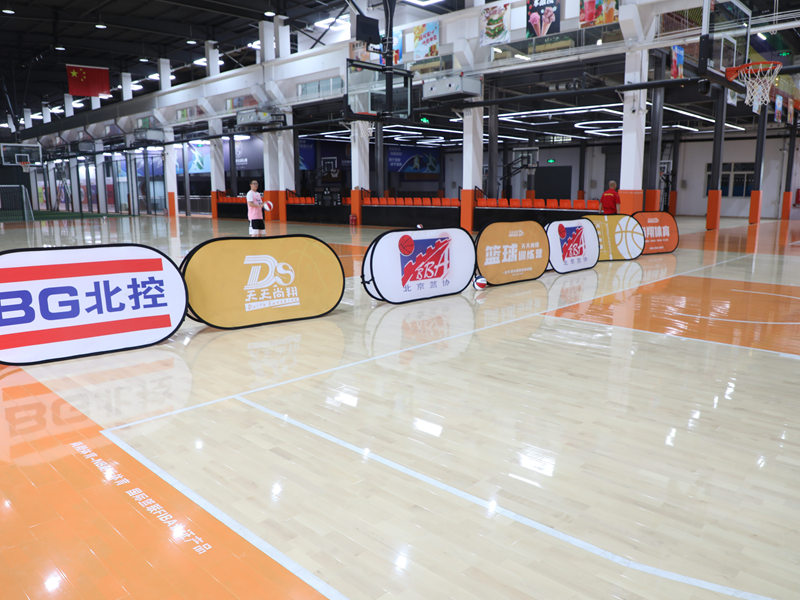
The surface a player performs on has a direct, measurable impact on their performance and their risk of injury. This is not speculation; it is supported by decades of research and real-world data. When it comes to indoor basketball courts, wood flooring consistently outperforms all other surfaces in both categories.
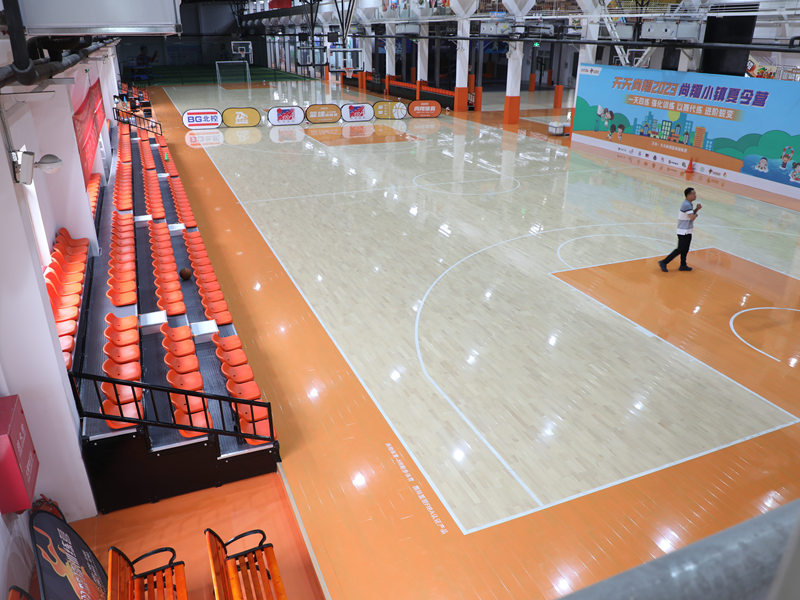
Let us start with performance. The most critical performance factor for a basketball court is ball response. Players at every level, from youth leagues to the NBA, rely on the ball bouncing consistently and predictably. Wood flooring delivers this consistently across the entire surface. The ball bounces with the right amount of energy return, allowing players to dribble, pass, and shoot with confidence. On synthetic surfaces, ball response can vary depending on temperature, wear, and dust accumulation. This inconsistency forces players to constantly adjust, which slows their reaction time and reduces their effectiveness.
Traction is the second performance factor. On a properly finished wood floor, players can make quick cuts, sharp turns, and explosive starts without slipping. The surface provides just enough grip for the shoe to engage, while allowing the foot to release smoothly. This balance is essential for the fast-paced, multi-directional movement that defines basketball. On surfaces that are too slippery, players hesitate, which reduces their speed and agility. On surfaces that are too grippy, players are at higher risk of lower-body injuries.